
Coming face-to-face with a rattlesnake on the trail can be a heart-stopping moment. Knowing precisely what to do if you see a rattlesnake while hiking can mean the difference between a safe encounter and a dangerous one. Your immediate reaction is critical, and understanding the correct steps can help you and others stay out of harm’s way. This guide provides a clear, actionable workflow for these intense situations.
Following established safety guidelines, such as those recommended by the U.S. Department of the Interior, emphasizes a calm and deliberate approach. These methods aim to de-escalate encounters and minimize risk, a goal achievable with the right knowledge. Let’s break down the essential actions you need to take to handle this potentially serious situation.
Seeing a Rattlesnake While Hiking: Your Immediate Action Plan
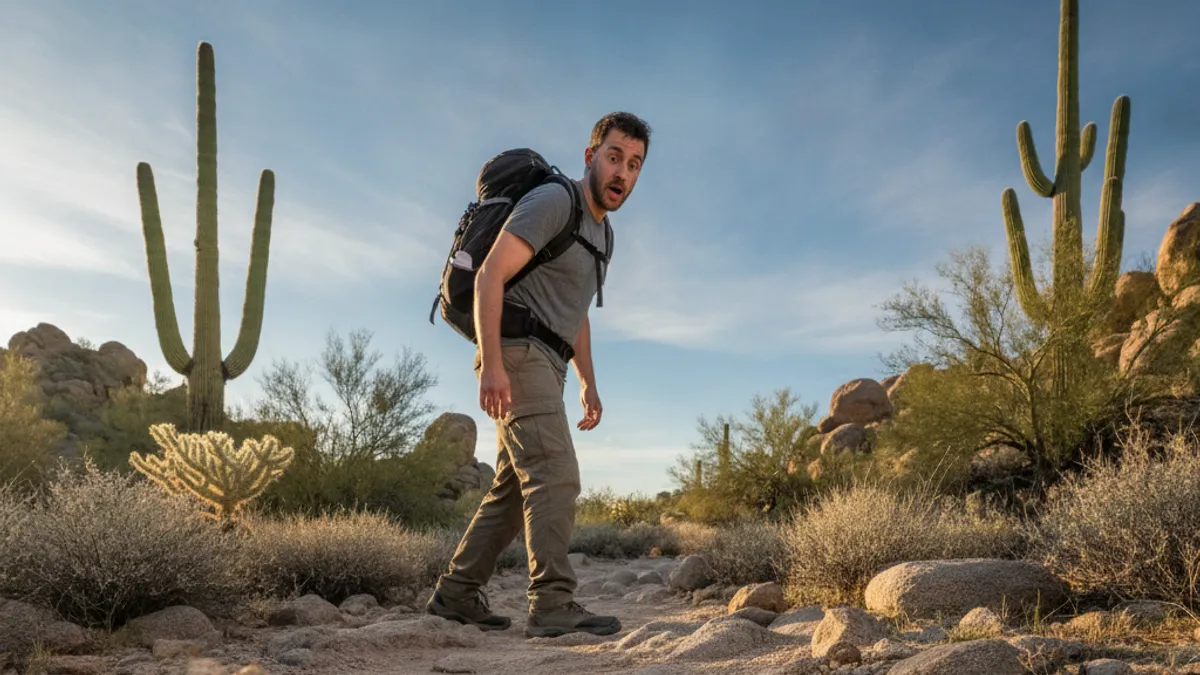
When you spot a rattlesnake on your hike, your primary goal is to avoid a negative interaction. The core principle is to give the snake space and allow it to move away undisturbed. Panicking or making sudden movements can escalate the situation. In our research of wildlife safety protocols, the consensus is clear: a measured, calm response is paramount.
The most effective initial strategy involves immediate stillness followed by a controlled retreat. The goal here isn’t to engage, observe, or even necessarily identify the exact species, but to safely disengage from its immediate vicinity. By freezing, you allow yourself time to assess, and you also reduce the chance of the snake perceiving you as a direct threat.
- When to Use This Plan: Implements immediately upon spotting a rattlesnake on a hiking trail.
- Primary Goal: Safely disengage from the rattlesnake and prevent any harm.
- Key Principle: Remain calm and avoid provoking the snake.
What To Do The Moment You Spot One
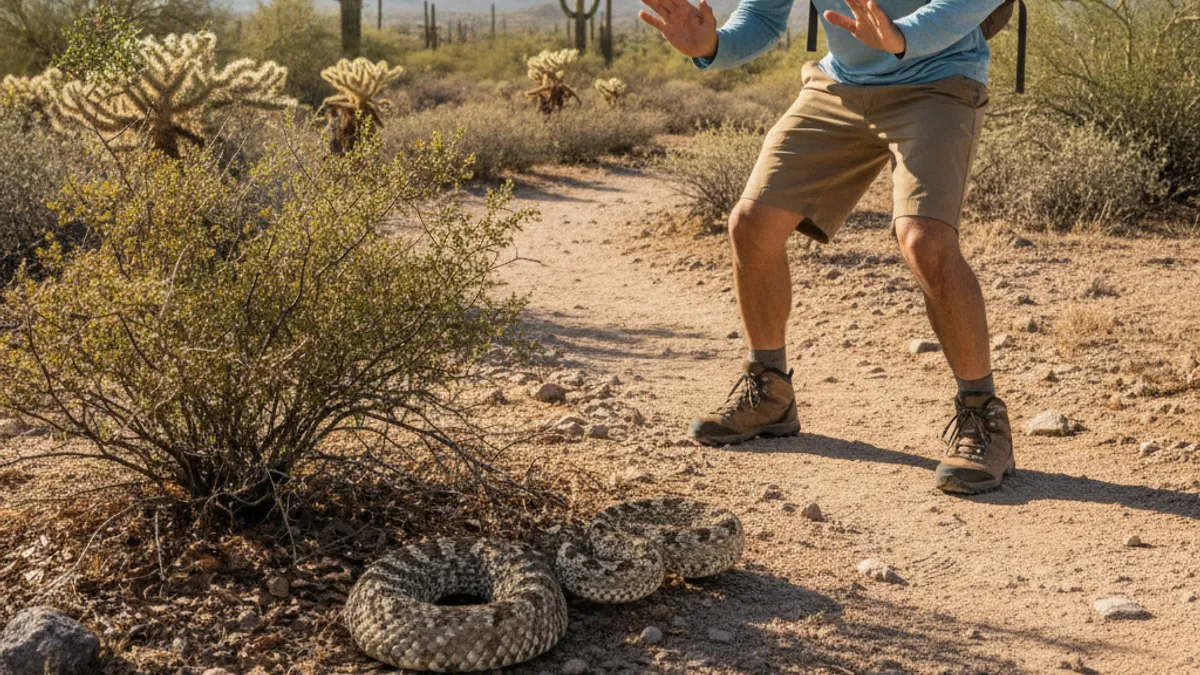
The instant you discover a rattlesnake on the trail, your physical and mental response needs to be swift but controlled. This isn’t the time for curiosity or a photo opportunity; it’s about safety first. Adhering to a clear sequence of actions will drastically improve your odds of a safe outcome.
Freeze and Assess
Your very first action should be to stop moving. Completely. This is critical because snakes often react to movement. Freezing allows you to assess your surroundings without immediate risk of provocation.
- Check your position: How close are you? Are you within its likely striking range? Most rattlesnakes can strike about one-third to one-half of their body length.
- Observe the snake’s posture: Is it coiled and alert, or is it trying to move past you? Is its rattle actively buzzing? A buzzing rattle is a clear warning to keep your distance.
- Identify escape routes: Scan behind and to your sides for a clear path to move away that does not involve moving closer to the snake.
Move Away Slowly and Safely
Once you’ve assessed the immediate situation and identified a safe path, begin to slowly back away. The key word here is slowly. Turning your back completely on a venomous snake is generally not advised, so try to maintain visual contact as you retreat.
You want to create distance, ideally putting at least 10 to 15 feet between you and the snake. Continue to watch the snake to ensure it doesn’t feel cornered. If the snake is already in motion and heading away from you, your job becomes easier; simply allow it to pass and then proceed with caution.
The Golden Rules: What NOT To Do
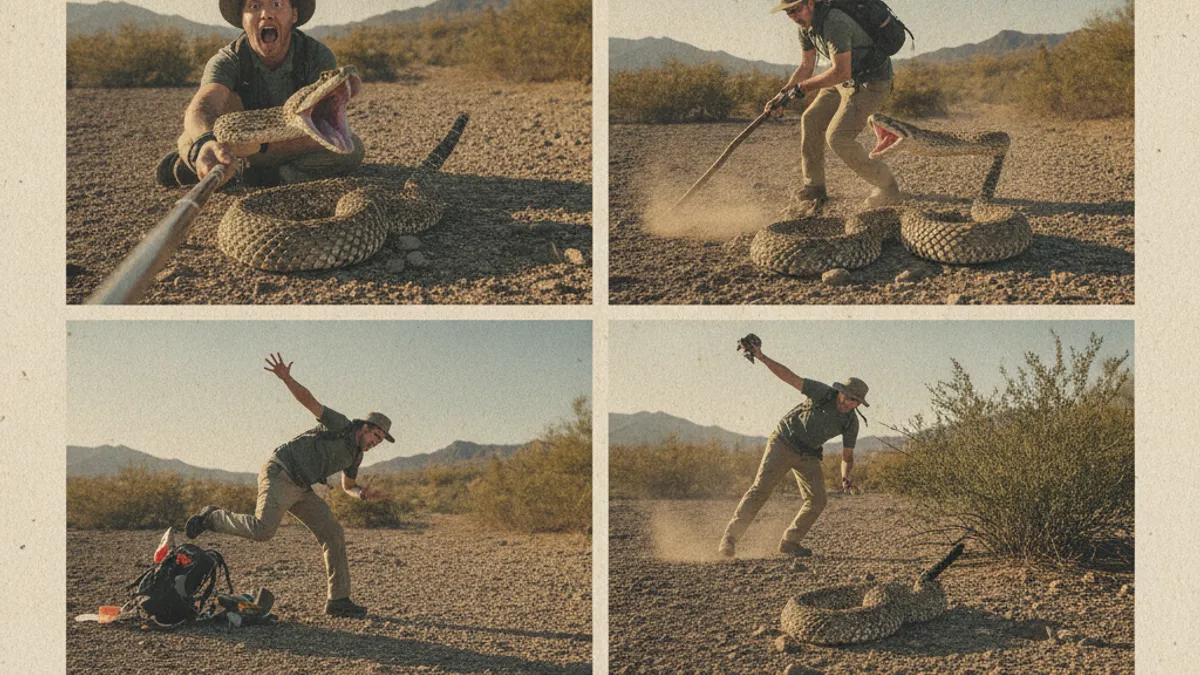
Many common reactions to seeing a rattlesnake are actually counterproductive and dangerous. Our research indicates that many well-intentioned but misinformed actions can significantly increase the risk of a bite. Knowing what not to do is just as important as knowing what to do.
A common mistake is trying to get closer for a better look or a photograph. This often puts you well within the snake’s strike zone. Another frequent error is assuming a snake’s intent; they are wild animals and their primary objective is usually to avoid confrontation.
Common Mistakes to Avoid
- Don’t Approach or Provoke: Never attempt to poke, prod, or handle a rattlesnake, even with a stick or hiking pole. This is the most direct way to trigger a defensive strike.
- Don’t Turn Your Back and Run: Sudden movements and running away can alert a snake and make you a target. Always retreat slowly and deliberately, maintaining awareness.
- Don’t Assume It’s Harmless: While rattlesnakes prefer to avoid humans, their venom is potent. Treat every encounter with caution and respect.
- Don’t Block Its Path: If the snake is trying to move across the trail, let it. Forcing it into a corner is extremely dangerous.
What If Someone Gets Bitten?
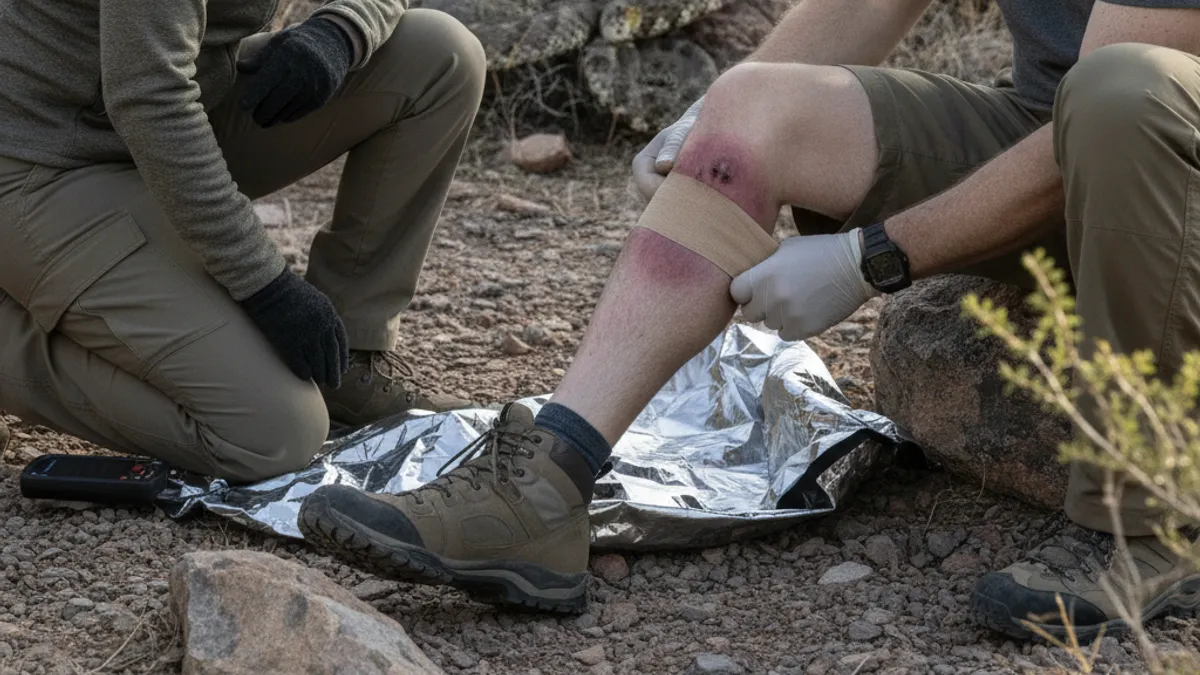
This is the most critical part of rattlesnake encounter safety. A bite from a rattlesnake requires immediate professional medical attention. The venom can cause severe tissue damage, pain, swelling, and, in rare cases, can be life-threatening if not treated promptly.
Aggregate user feedback and incident reports consistently highlight that quick, appropriate action dramatically improves recovery outcomes. The goal of first aid in a snakebite situation is not to “fix” the problem yourself but to stabilize the victim and get them to expert medical care as rapidly as possible.
Immediate Steps for a Snakebite
When a snakebite occurs, rapid and correct action is crucial. The U.S. National Library of Medicine, part of the National Institutes of Health, provides guidance that emphasizes keeping the victim calm and minimizing movement. This helps slow the circulation of venom through the body.
Here’s a step-by-step breakdown of what to do immediately after a rattlesnake bite:
- Stay Calm: This is the hardest part, but crucial. Try to reassure the bitten person and keep them as still as possible. Panic increases heart rate, which can speed up venom circulation.
- Call Emergency Services: Immediately dial 911 (or your local emergency number) and clearly state that there has been a snakebite and describe the snake if possible. Provide your exact location, including trail names, landmarks, and GPS coordinates if you have them.
- Remove Constricting Items: Take off any jewelry, watches, rings, or tight clothing from the bitten limb. Swelling can occur rapidly and make these items dangerous.
- Position the Bite: If possible, keep the bitten limb below the level of the heart. This can help slow venom spread, although movement to achieve this should be minimal.
- Clean the Wound (Gently): If you have clean water and gauze, gently wash the bite area. Do not scrub.
- Immobilize the Limb: Use a splint or have the person hold the limb still to minimize movement. The goal is to restrict all motion of the bitten extremity.
