
Ever wondered about those incredible journeys where people spend months walking from one end of a massive trail to the other? That’s the heart of through-hiking. It’s a commitment to covering an established, long-distance path in a single, continuous expedition, carrying everything you need on your back.
It’s more than just a long walk; it’s a profound test of will, a deep dive into nature, and a stripping away of the everyday to focus on the essential. For context, popular trails like the Appalachian Trail (AT) stretch over 2,000 miles, a distance that typically takes hikers anywhere from five to seven months to complete as of 2026.
The Call of the Trail: Understanding Through-Hiking
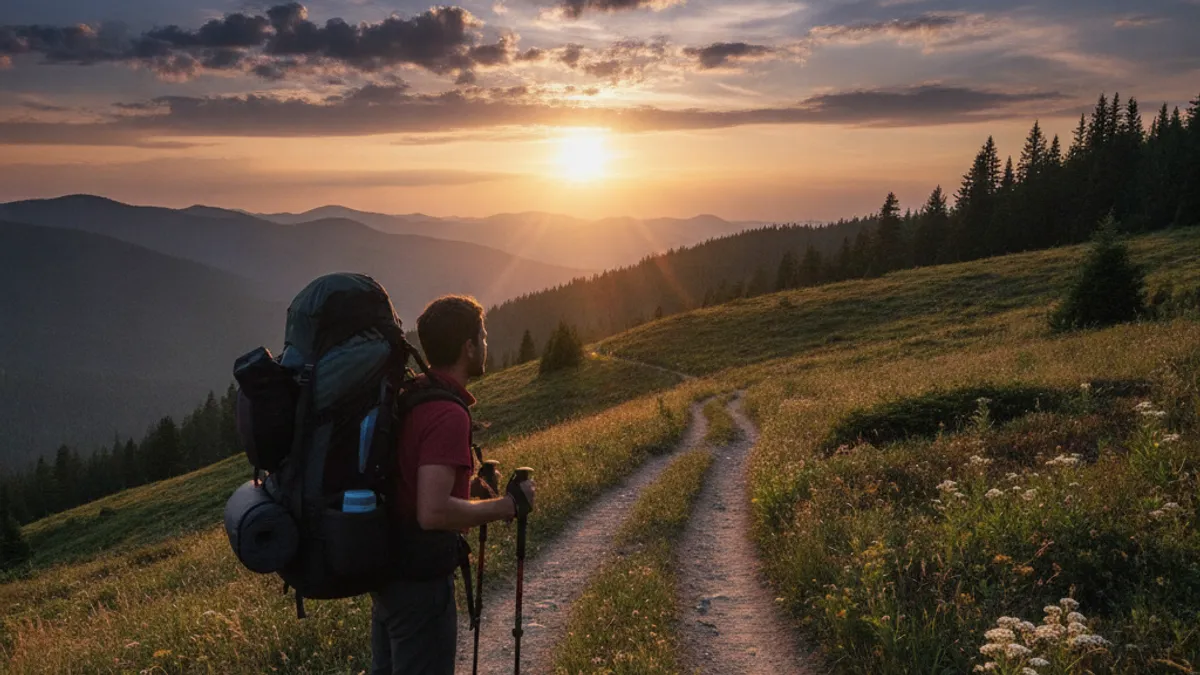
What Is a Through-Hike, Exactly?
A through-hike is fundamentally about completing a specific, long-distance trail from its designated start point to its designated end point, all in one continuous journey. It’s not about stringing together multiple day hikes or weekend trips. The goal is to cover the entire route, experiencing the trail’s progression and challenges as a singular expedition. This requires meticulous planning and a significant commitment of time, typically spanning several weeks to many months, depending on the trail’s length and the hiker’s pace.
The Essence of the Journey: End-to-End and Continuous
The “through” in through-hiking is the crucial element. It means you traverse the trail from one terminus to the other without significant interruptions that would effectively restart your journey. While rest breaks, resupply stops in towns, and even brief hitchhikes to travel between trail sections are common and accepted, the overarching objective remains to cover the complete trail in one unbroken sequence of effort. This continuous nature is what distinguishes it from section hiking, where a trail is completed piece by piece over time.
Setting Out: The Thru-Hiker’s Starting Point
Embarking on a through-hike begins long before you take your first step on the trail. It involves careful selection of an established long-distance path and a deep dive into its specific demands. Factors like climate variations, elevation changes, and the availability of resources along the way all play a role in choosing the right trail for your capabilities and goals. Serious planning ensures you’re prepared for the unique environment and logistical challenges ahead.
Trail Choice: Picking Your Path
Choosing which trail to hike is a significant first step in the through-hiking process. Popular choices in North America include the Pacific Crest Trail (PCT), which spans approximately 2,650 miles from Mexico to Canada, and the Appalachian Trail (AT), covering about 2,200 miles from Georgia to Maine. Each trail presents distinct terrain, weather patterns, and ecological zones. For instance, the PCT traverses diverse landscapes from deserts to high sierras, requiring different gear and preparations compared to the more forested and mountainous AT.
The decision often comes down to personal preference regarding scenery, climate, and the specific challenges one wishes to face.
Gear Up: Essential Equipment for the Long Haul
The gear carried by a through-hiker is critical, as every ounce adds to the burden over thousands of miles. The core system typically includes a backpack designed for extended treks, a lightweight shelter (like a tent or tarp), a sleeping bag or quilt rated for expected temperatures, and a sleeping pad for insulation and comfort. Essential navigation tools like maps, a compass, and possibly a GPS device are vital for staying on track. Proper footwear, such as durable trail runners or boots, and a layering system of clothing to adapt to changing weather conditions are also paramount.
Filtration or purification methods for water are non-negotiable, alongside a robust system for carrying food. Manufacturer specifications often emphasize durability, weight, and packability for all these components.
Life on the Trail: The Day-to-Day Reality
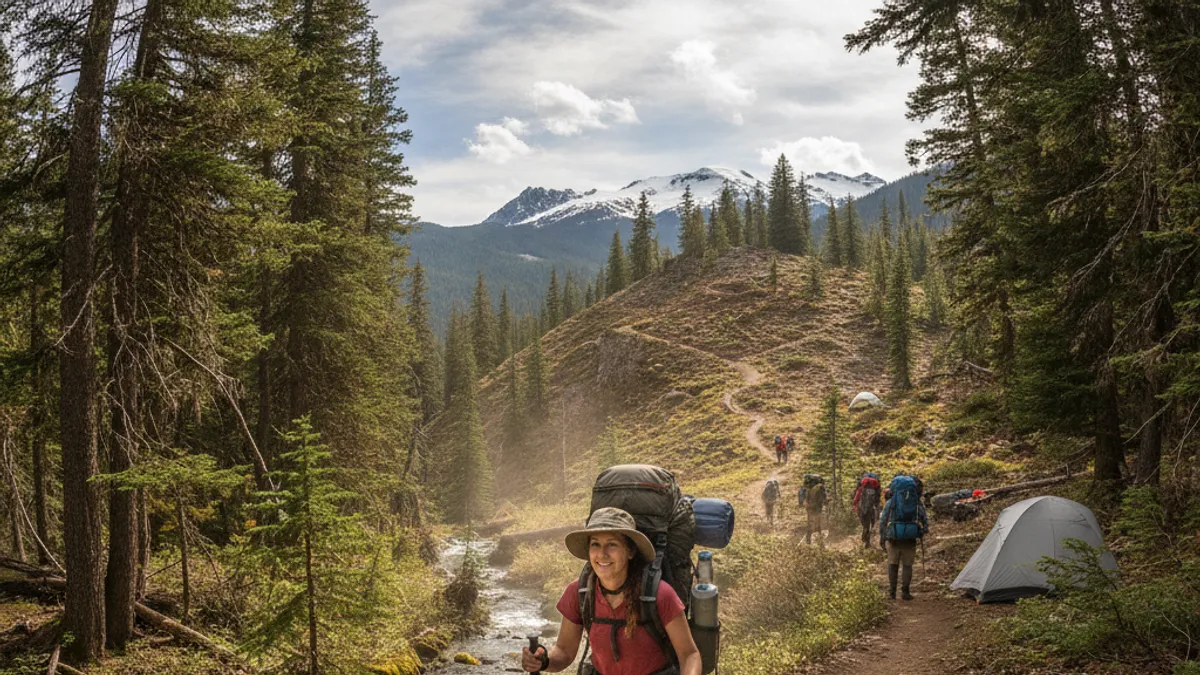
Mileage, Resupply, and Zero Days: The Rhythm of the Hike
The daily life of a through-hiker revolves around covering ground, managing resources, and recovering. Most hikers aim for a specific mileage goal each day, often ranging from 15 to 30 miles, depending on terrain, weather, and their personal fitness. This consistent effort gradually adds up, covering hundreds or thousands of miles. When supplies run low, hikers utilize resupply points, often pre-arranged packages sent to post offices or hostels, or purchased from small-town stores.
“Zero days” are crucial rest days taken in towns or at trail stops, allowing bodies to recover, gear to be repaired, and hikers to resupply adequately and mentally prepare for the next stretch.
Navigating Challenges: What Goes Wrong Out There
Through-hiking isn’t always postcard-perfect. Common problems include blisters and foot pain, which can become relentless if not managed properly. Injuries like sprains are also a risk given the uneven terrain. Gear failure, from a broken tent pole to a malfunctioning water filter, can create significant headaches miles from any help.
Adverse weather, such as sudden storms, extreme heat in desert sections, or unexpected snow at higher elevations, can halt progress or become dangerous. Bugs can be a constant nuisance, and wildlife encounters, while often exciting, sometimes require caution.
Building Your Trail Family: Community and Connection
Despite the solitary nature of much of the hiking, a strong sense of community, often called the “trail family,” develops organically. Hikers often start and finish trails around the same time, forming bonds over shared experiences, challenges, and mutual support. This camaraderie can be a powerful motivator. You’ll find people sharing snacks, helping with tent setups, offering words of encouragement, or pooling resources for town stays.
This shared journey creates unique friendships and a support network that’s invaluable on such a long and demanding adventure.
What Through-Hiking Teaches You About Yourself
The sustained effort and isolation of through-hiking often lead to profound personal growth. You learn incredible resilience as you push through physical discomfort and mental fatigue. Problem-solving becomes a daily skill, whether it’s figuring out a tricky river crossing or making your last meal last. Many hikers report a newfound sense of self-reliance and a greater appreciation for simplicity.
Life’s complexities fall away, replaced by the immediate needs of walking, eating, and sleeping, fostering a focused, present mindset.
The Unseen Benefits of Living Simply
The demands of carrying all your necessities on your back naturally encourage a minimalist lifestyle. Through-hikers become acutely aware of the weight and utility of every item. This focus on essentials strips away the clutter of consumer culture, highlighting what truly matters. The daily routine is driven by basic biological needs and forward momentum, offering a stark contrast to the often overwhelming choices and distractions of modern life.
This simplified existence can lead to a lasting shift in perspective, valuing experiences and well-being over material possessions.
