
Figuring out what is the best hiking shoe for you can feel like a puzzle, with so many options and claims out there. Getting this right means happy feet on the trail, while the wrong choice can quickly lead to blisters and pain, turning a fun outing into a miserable slog. Our research shows that the ideal shoe balances support, traction, and comfort based on where and how you hike.
When you’re comparing options, consider crucial specs like outsole lug depth, often 3mm or more for serious grip, and midsole cushioning materials like EVA for flexibility or polyurethane for durability. Understanding these elements is your first step toward selecting footwear that truly fits your adventure. Let’s break down the core differences to help you make an informed choice.
Hiking Shoe vs. Trail Runner vs. Hiking Boot: What’s the Deal?
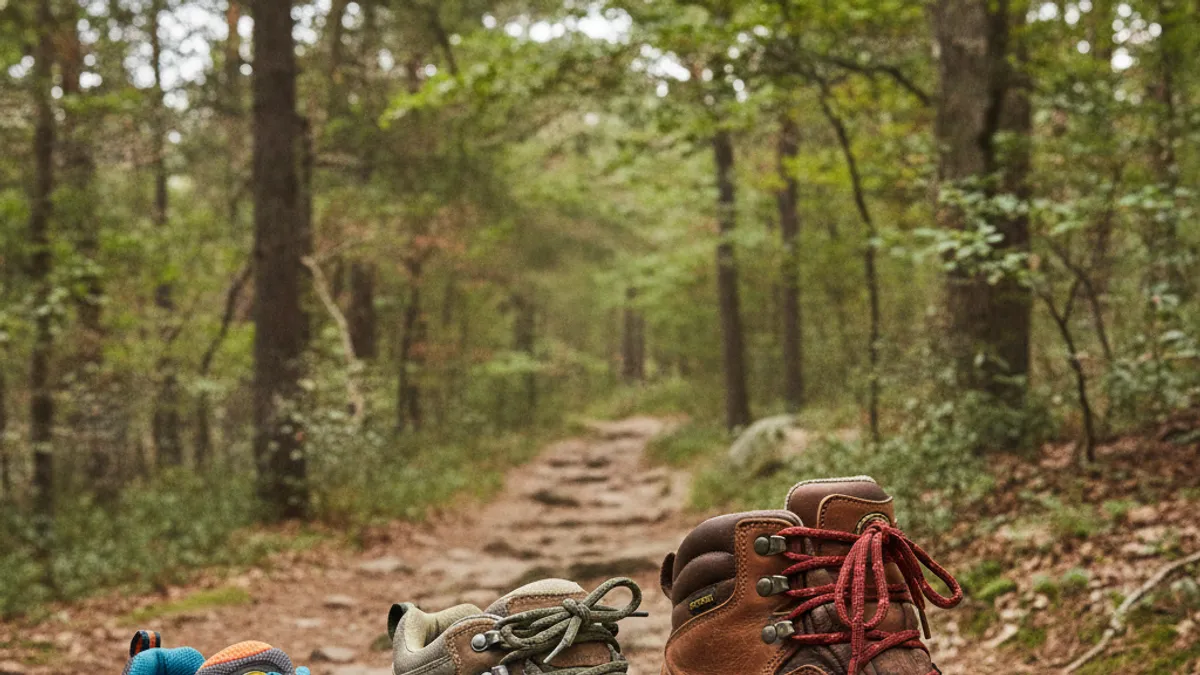
This is where we start differentiating the players. Think of these as different tools for different jobs on the trail. They look similar, but their designs cater to distinct types of outdoor pursuits. Understanding their purpose helps you avoid using a race car to haul lumber.
Hiking Shoes vs. Trail Runners: The Quick Take
Often, the line between a trail runner and a low-cut hiking shoe can blur, but there are key design differences. Trail runners are built for speed and agility on well-maintained paths. They’re lightweight and flexible, designed to feel almost like a regular running shoe but with added traction and some protection.
- Trail Runners: Lighter, more flexible, feel like a regular running shoe, best for fast-paced hikes or shorter distances on predictable terrain. Aggressive outsoles offer good grip.
- Hiking Shoes: Offer more structure and support than trail runners. They typically have stiffer midsoles and more durable uppers, providing better protection and stability for carrying light loads or navigating varied terrain.
Hiking Shoes vs. Hiking Boots: When to Go Higher
The most significant distinction here is ankle support. Hiking boots are taller, extending above the ankle bone, offering crucial stability when you’re carrying a heavy backpack or moving across uneven, rocky ground. Hiking shoes, by contrast, are low-cut, providing less ankle support but offering greater freedom of movement and often feeling lighter.
- Hiking Boots: Mid to high-cut design, providing substantial ankle and foot support. Ideal for backpacking with heavy loads, off-trail excursions, and challenging conditions where ankle rolling is a risk. They typically require a longer break-in period.
- Hiking Shoes: Low-cut design, prioritizing agility and lower weight. Best suited for day hikes, lighter loads, and well-maintained trails. They offer good underfoot protection and traction but minimal ankle support. For a deeper dive into boot specifics, check out our guide on how to choose hiking boots.
Hiking Shoe Fundamentals: Features You Need to Know
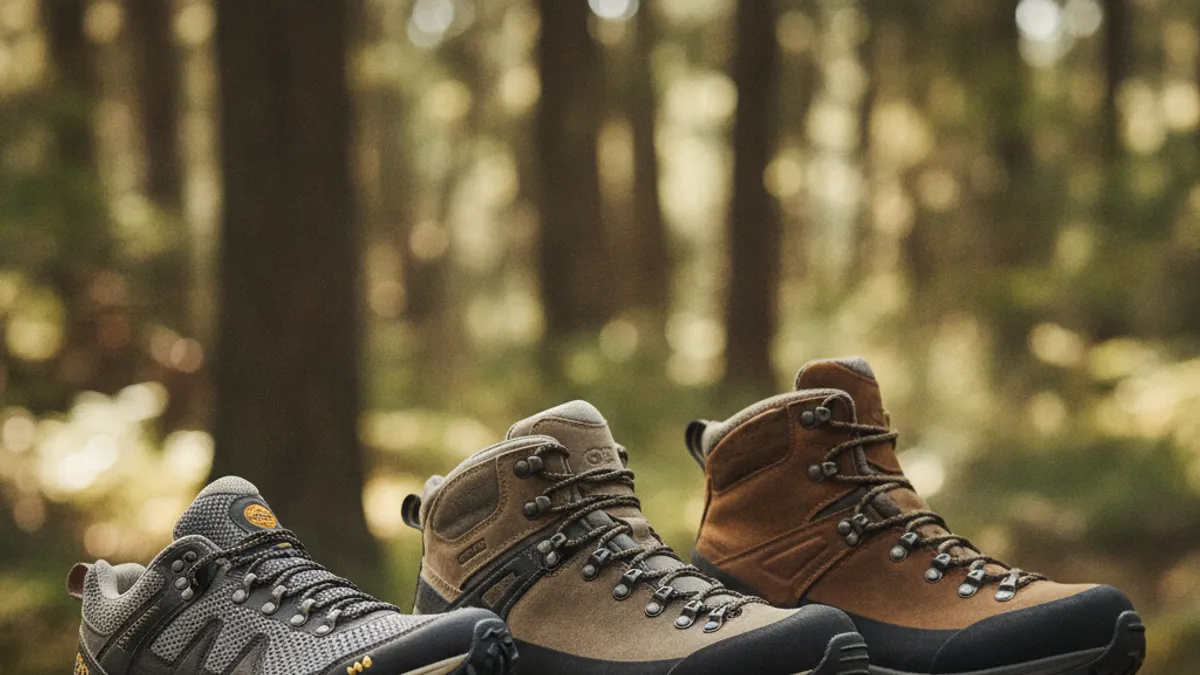
Let’s get down to the nitty-gritty of what actually makes a hiking shoe tick. These aren’t just fancy sneakers; they’re designed with specific components to handle the demands of the trail. Knowing these features will help you decode product descriptions and make a choice that actually suits your needs.
Grip and Traction: Standing Your Ground
The outsole is your shoe’s foundation for gripping the trail. It’s the rubbery part at the bottom. Aggressive, deep lugs (the cleat-like patterns) are essential for digging into loose dirt, mud, and gravel. The rubber compound itself also plays a role; softer compounds generally offer better grip on rock but wear down faster, while harder compounds are more durable but can be slippier on wet surfaces.
- Lug Pattern: Deeper, widely spaced lugs shed mud better. Shallower, more numerous lugs might be better for rocky terrain.
- Rubber Compound: Think sticky vs. durable. Most brands aim for a balance.
- Heel Brake: A distinct edge at the heel helps with downhill traction, preventing you from sliding.
Waterproofing: Keeping the Wet Out
This is a big one, especially if you hike in damp climates or early mornings when dew is heavy. Many hiking shoes feature waterproof-breathable membranes, like Gore-Tex, sandwiched between the outer material and the inner lining. They work by preventing water molecules from entering while allowing sweat vapor to escape.
However, it’s a trade-off. While waterproof shoes keep your feet dry from external moisture, they can sometimes be less breathable. This means your feet might get sweaty, and that moisture can build up inside, leading to discomfort or blisters, especially in warmer weather. Many manufacturers, for instance, specify their Gore-Tex models as offering superior water resistance.
- Waterproof-Breathable Membranes: Gore-Tex is the most common, but other brands have their own versions.
- Non-Waterproof: These breathe better but will get soaked if you step in puddles or streams. They dry faster, though.
- Water-Resistant (DWR): Durable Water Repellent coatings on the shoe’s upper material can shed light rain and splashes, but they aren’t fully waterproof.
Support and Cushioning: Happy Feet, Happy Trails
The midsole is where most of the cushioning and support comes from. It sits between the outsole and the insole (where your foot rests). Materials like EVA (ethylene-vinyl acetate) are common because they’re lightweight and provide good shock absorption. Polyurethane (PU) is denser and more durable, offering longer-lasting support but typically feeling stiffer.
The level of cushioning you need depends on your hiking style and body weight. If you’re carrying a heavier pack or have sensitive feet, you’ll want more substantial cushioning to reduce impact. Proper arch support is also vital for preventing foot fatigue and aligning your foot correctly on the trail.
Fit and Comfort: The Most Crucial Feature
This might sound obvious, but fit is paramount. A shoe that pinches, rubs, or feels too loose will make any hike miserable. When trying on shoes, remember that your feet swell throughout the day, so trying them on later in the afternoon is often recommended.
- Length: You should have about a finger’s width of space between your longest toe and the end of the shoe when standing.
- Width: Your foot shouldn’t feel squeezed side-to-side, nor should it slide around excessively.
- Heel Lock: Your heel should stay put when you walk, without lifting up or causing friction.
- Volume: Consider how much space there is from the bottom of the shoe to the top of your foot.
It’s worth noting that finding the perfect fit often involves trying different brands and models, as each has a unique shape or “last.” Aggregate reviews frequently highlight that even expensive shoes can be uncomfortable if the fit isn’t right for your specific foot shape. This is where consulting a knowledgeable salesperson at an outdoor gear shop can be invaluable.
The Best Hiking Shoe for Your Next Adventure
Choosing the right hiking shoe means matching the footwear to the demands of your planned excursion. A shoe that excels on a groomed park path might fail on a rocky, steep ascent. We’re looking at how different types of hiking shoes serve distinct purposes and audiences, ensuring you pick a partner for your feet that matches your objective.
For Day Hikes and Casual Trails
This is where the versatile hiking shoe often shines. For day hikes that involve well-maintained paths, moderate terrain, and carrying only a light daypack (think water bottles, snacks, and a light jacket), a low-cut hiking shoe offers the best of both worlds. They provide more support and durability than trail runners but are less bulky than boots.
- Key Features: Good cushioning, reliable traction for varied surfaces, and moderate ankle support. Many waterproof models are available, ideal for unpredictable weather.
- Who It’s Best For: Casual hikers, weekend warriors, and anyone undertaking hikes that don’t require carrying heavy loads or navigating extremely technical terrain.
- Example Scenario: A 5-mile hike through a forested nature preserve with some moderate elevation changes. You’re carrying about 5-10 pounds in your pack.
For Multi-day Backpacking and Heavier Loads
When your adventure stretches over multiple days and involves carrying a heavier backpack (often 25-50 pounds or more), the requirements change. For these scenarios, robust hiking boots or mid-cut hiking shoes become essential. They offer superior ankle support to counteract the strain of a heavy load, preventing sprains and improving stability on uneven ground.
- Key Features: Sturdy construction, stiffer midsoles for support under load, and excellent ankle support are paramount. Durable uppers protect against abrasion from rocks and vegetation.
- Who It’s Best For: Backpackers, thru-hikers planning longer routes, and anyone consistently carrying significant weight or venturing into rugged, off-trail environments.
- Analogy: Think of it like transporting groceries. For a few items, a small bag works. For a week’s worth of food, you need a sturdy crate that won’t buckle under the weight. If your focus is on longer journeys, our guide on what is thru hiking might offer further insights.
For Technical Terrain and Off-Trail Adventures
Navigating steep, rocky, or scree-filled slopes demands footwear that provides excellent grip, protection, and stability. For these demanding conditions, you’ll likely lean towards sturdier, mid- to high-cut hiking boots. Their stiffer soles help distribute pressure from uneven surfaces, reducing foot fatigue, while the higher ankle coverage guards against twists and scrapes.
- Look For: Features like aggressive outsole lugs, reinforced toe caps, and supportive midsoles that prevent sharp rocks from being felt underfoot.
- Consideration: While offering great protection, these shoes might feel overkill for gentler trails. They also tend to be heavier and require more break-in time.
- Real-World Context: Scrambling up a boulder field or traversing a steep, loose scree slope requires a shoe that bites into the surface and supports your ankle when you put significant pressure on it.
For Wet and Muddy Conditions
When the trail turns soggy, keeping your feet dry is a major comfort and safety concern. Waterproof hiking shoes, typically featuring membranes like Gore-Tex, are designed for this. They prevent water from seeping in, which helps maintain warmth and reduce the risk of blisters caused by damp skin.
However, it’s important to manage expectations with waterproof gear. Even the best waterproof shoes can eventually be overwhelmed by prolonged submersion or heavy rain. Furthermore, they can be less breathable, potentially leading to sweaty feet in warmer temperatures, which can create its own moisture issues. So, while great for rain and puddles, consider your climate.
For detailed information on this, you can explore whether waterproof hiking boots are worth it.
- Waterproof Membrane Benefits: Keeps feet dry from external moisture like rain, puddles, and wet vegetation.
- Breathability Trade-off: Can lead to internal moisture (sweat) build-up in warmer conditions.
- Maintenance: Proper care is crucial to maintain the waterproof membrane’s integrity.
For Fast Hiking and Trail Running
If your idea of hiking involves covering ground quickly, often referred to as fastpacking or trail running, then specialized trail running shoes are your best bet. These shoes are designed to be exceptionally lightweight and flexible, mimicking the feel of regular running shoes. They offer good ground feel and agility, allowing for quick foot placement on technical terrain.
- Key Advantages: Lightweight, highly flexible, excellent ground feel for agility.
- Considerations: They generally offer less cushioning and support than traditional hiking shoes or boots, and their durability might be lower due to the focus on weight savings.
- When to Choose: If your hikes are more about covering distance rapidly on predictable trails and you prioritize speed and a barefoot-like feel over maximum protection and support. They are an excellent alternative to regular running shoes for off-road excursions.
Common Hiking Footwear Mistakes to Sidestep
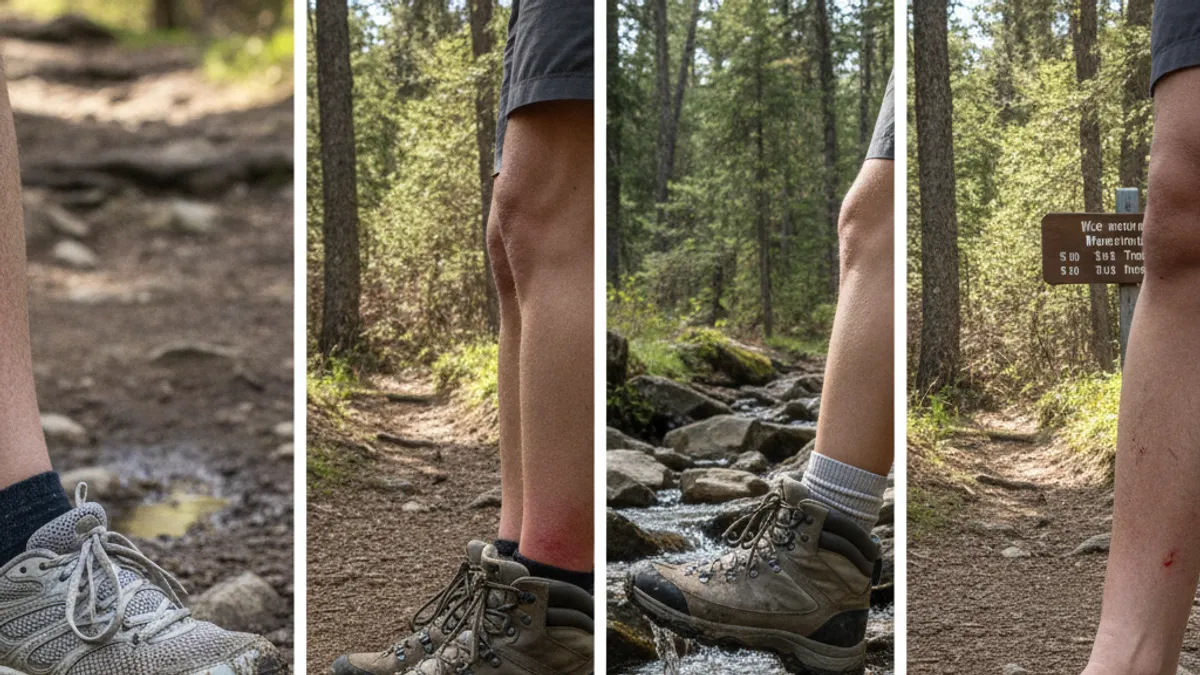
Even with the right intentions, a few common missteps can derail your footwear choice. Making these errors can lead to discomfort, decreased performance, and even injury on the trail. Being aware of these pitfalls helps you avoid them and make a smarter decision from the start.
- Buying Without Trying: Relying solely on online reviews or recommendations without trying shoes on is risky. Different brands and models fit vastly different foot shapes.
- Ignoring Trail Conditions: Buying a heavy, waterproof boot for a desert hike in summer, or a light, mesh trail runner for a muddy, rainy mountain trek, is a classic mistake. Match your footwear to the environment.
- Not Accounting for Pack Weight: A shoe that feels fine with no weight will feel very different when you’re carrying a 40-pound backpack. Heavier loads demand more support.
- Assuming a “Break-in” Period Fixes Everything: While some shoes need a short break-in, significant discomfort or pinching is usually a sign of a poor fit, not just stiffness. Trying to “walk through” a bad fit often leads to blisters and pain.
- Forgetting Foot Swelling: Trying on shoes first thing in the morning when your feet are least swollen can lead to purchasing shoes that are too tight by afternoon. Always try them on later in the day.
Testing and Trying On: Getting That Perfect Fit
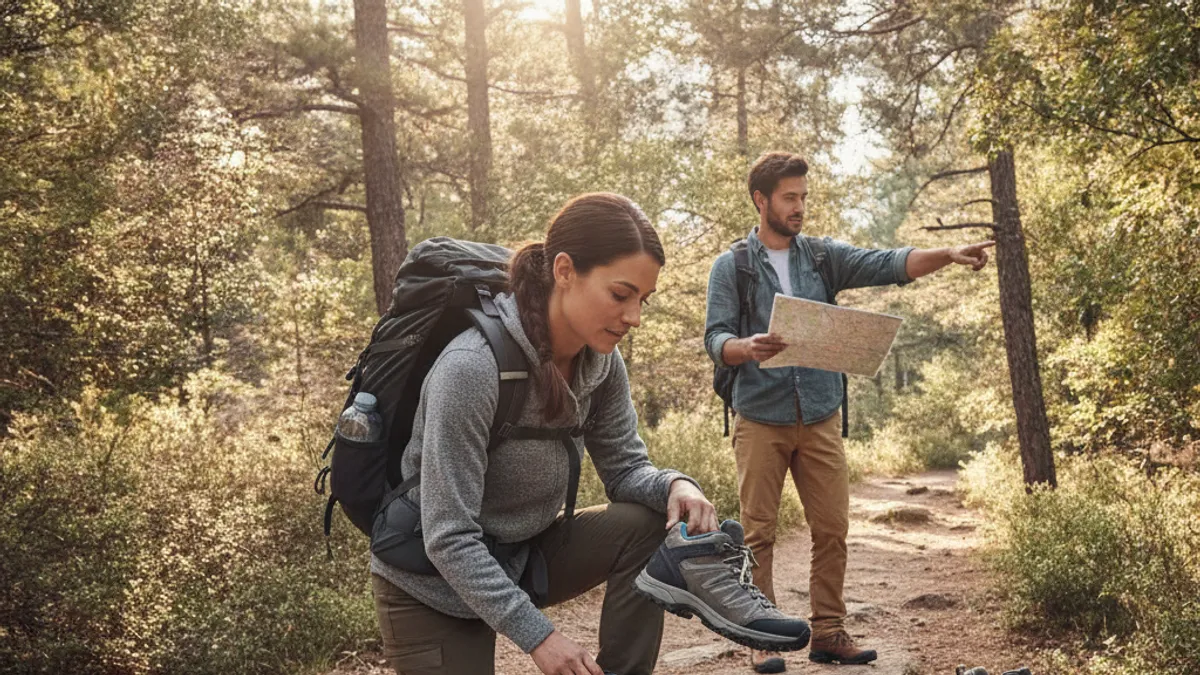
The act of trying on hiking shoes is not just a formality; it’s a critical step in ensuring comfort and preventing problems on the trail. This process should be deliberate, not rushed, and ideally done at a retailer with knowledgeable staff. Your goal is to mimic hiking conditions as much as possible within the store.
- Wear Appropriate Socks: Always try on shoes with the same type of socks you plan to wear for hiking, whether that’s thin liner socks or thicker wool hiking socks, as thickness significantly impacts fit.
- Walk Around: Don’t just stand there. Walk on any available inclines or ramps (testers often have these) to check for heel slippage or toe banging.
- Check for Hot Spots: Pay attention to any areas of rubbing or pressure. Even a small irritation can become a major blister after a few miles.
- Consider Lacing Techniques: Experiment with different lacing patterns to see if you can improve heel lock or relieve pressure points. Manufacturer instructions or staff can guide you on this.
- Time of Day Matters: As mentioned, feet swell. Trying shoes on later in the day, when your feet are naturally larger, gives a more realistic sense of fit for a long hike.
Hiking Shoe Durability and Lifespan
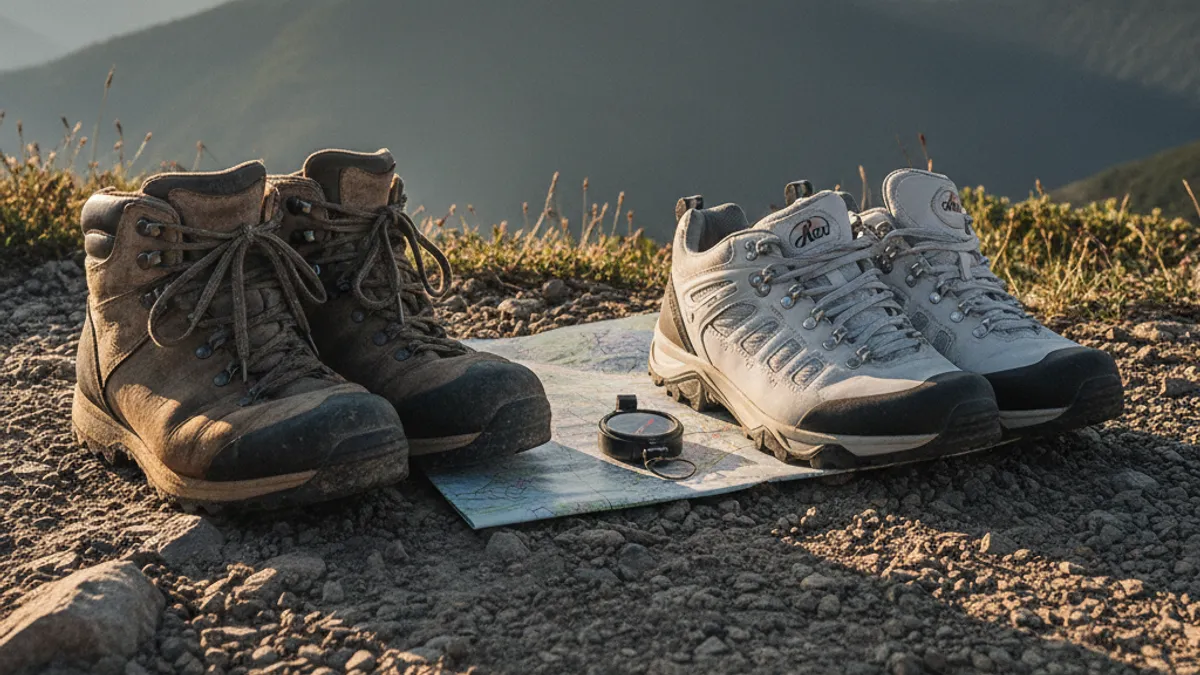
The lifespan of a hiking shoe varies significantly based on its construction, materials, how often you use it, and the terrain you hike on. Generally, a well-cared-for pair of quality hiking shoes or boots can last anywhere from 300 to 500 miles, sometimes more. However, the outsole’s tread will likely wear down before the upper materials fail.
-
Factors Affecting Durability:
- Terrain: Hiking on sharp rocks will wear down outsoles faster than smooth trails.
- Weight: Heavier loads can put more stress on the shoe’s structure.
- Materials: Leather generally lasts longer than synthetic mesh, though modern synthetics are very robust.
- Care: Proper cleaning and conditioning (for leather) can extend their life.
-
Signs of Wear:
- Tread is worn smooth, significantly reducing grip.
- Midsole cushioning feels compressed and no longer provides shock absorption.
- Waterproofing fails, or seams begin to split.
- Uppers show significant abrasion or tears.
When your shoes reach this point, it’s time to consider replacing them. Continuing to hike in worn-out footwear increases your risk of slips, falls, and foot pain.
Hiking Shoe Care and Maintenance
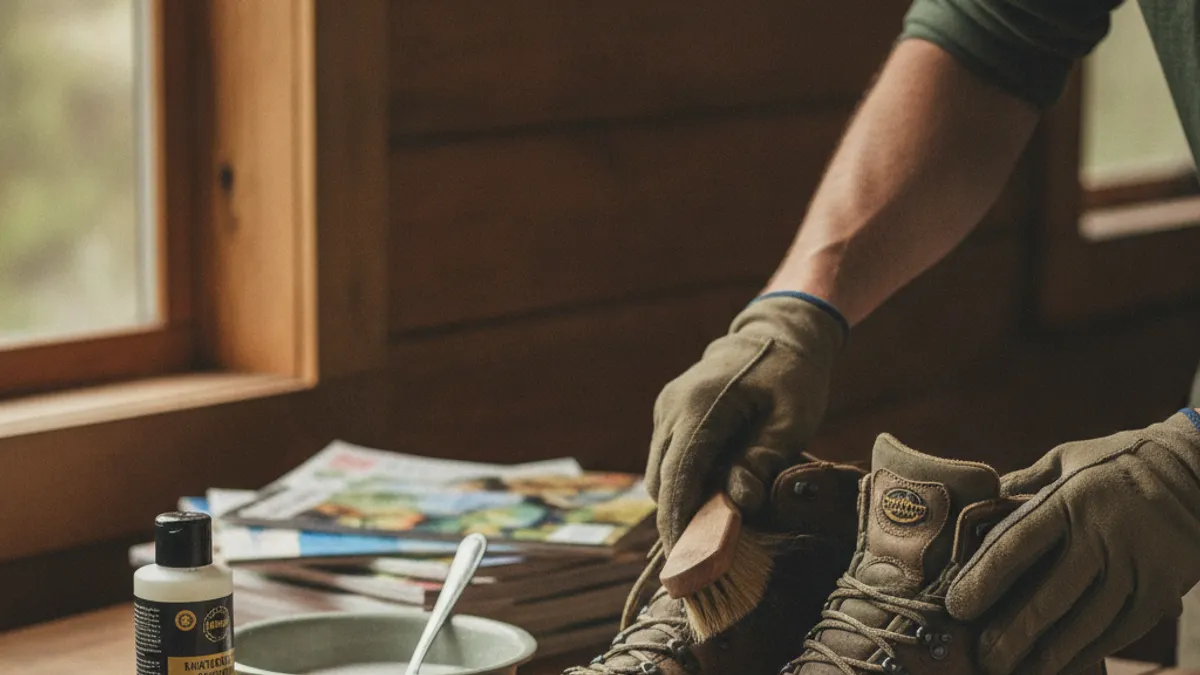
Proper care extends the life of your hiking shoes and ensures they perform as intended. Neglecting maintenance can lead to premature wear, loss of waterproofing, and the development of unpleasant odors. The specific steps depend on the shoe’s materials, but a general approach works for most.
- Cleaning: After each hike, remove loose dirt and debris with a stiff brush. For caked-on mud, use water and a mild soap. Avoid harsh detergents or throwing them in a washing machine, as this can damage adhesives and materials.
- Drying: Never dry hiking shoes by a direct heat source like a radiator or campfire, as this can warp or crack materials. Remove the insoles and laces and let them air dry at room temperature. Stuffing them with newspaper can help absorb moisture.
- Waterproofing Treatment: For non-waterproof shoes or to refresh the DWR coating on waterproof shoes, apply a suitable waterproofing spray or wax as recommended by the manufacturer. This helps shed water and dirt.
- Leather Care: If your shoes have leather uppers, condition them periodically with a leather conditioner designed for footwear. This keeps the leather supple and prevents it from drying out and cracking.
- Storage: Store your hiking shoes in a cool, dry place away from direct sunlight when not in use.

1 thought on “What Is the Best Hiking Shoe 2026”