
You are walking down a quiet trail. The trees are tall, the air is fresh, and everything is peaceful. Suddenly, you hear a loud snap in the brush just off the path. Your heart jumps. What do you do next? If you are wondering how to protect yourself from wildlife while hiking, you are in the right place.
Hi, I am Oscar. Welcome to oscarhikes.com. I have spent years backpacking, day hiking, and testing outdoor gear across the country. I love seeing animals in their natural home. But I also know that surprise wildlife encounters can turn a great day into a scary one. You do not need to be afraid of the woods, but you do need to be prepared.
In this guide, I will show you exactly how to stay safe on the trail. We will cover what to do before you leave, how to act if you see a wild animal, and what hiking gear you actually need. Let’s get into it.
Quick Answer
The best way to protect yourself from wildlife while hiking is to avoid surprising them. You should always make noise by talking or clapping as you walk. Keep a safe distance of at least 100 yards from bears and predators. If you hike in bear country, carry bear spray on your chest or hip, not buried in your hiking backpack. Finally, never run away from a wild animal, as this triggers their natural instinct to chase you.
Why Wildlife Safety on Hikes Matters
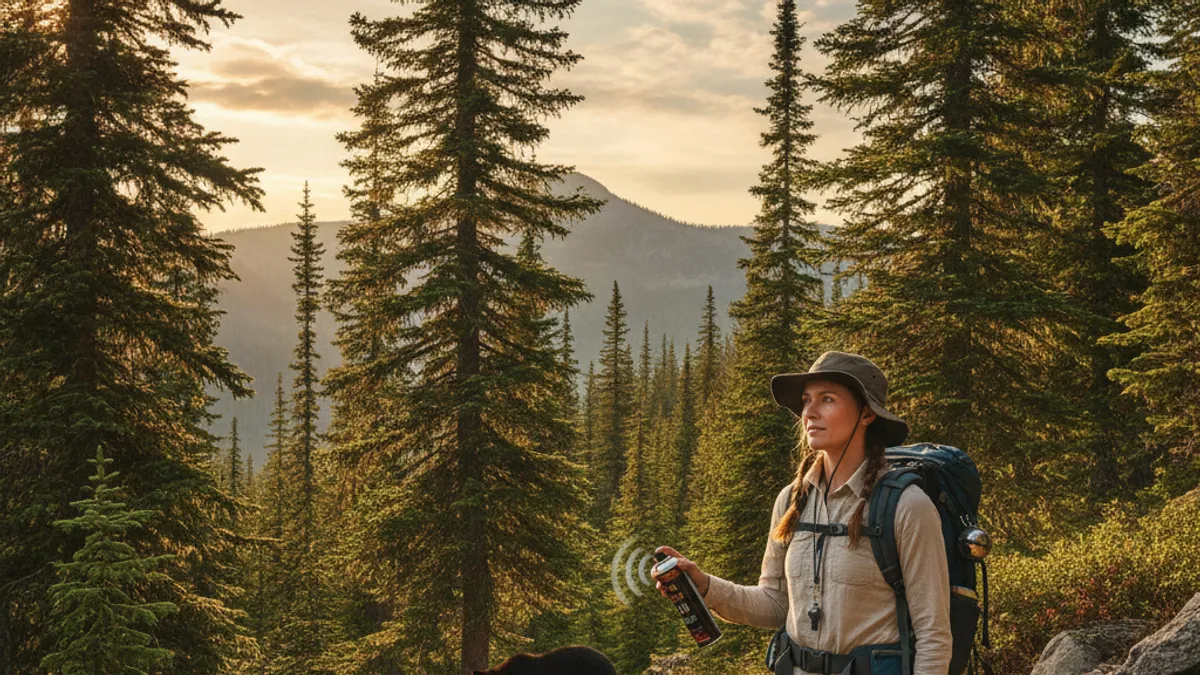
When you step onto a trail, you’re entering an environment shared with a diverse array of animals. While we hike to connect with nature, it’s crucial to remember that these are wild creatures in their natural habitat. Understanding their behaviors, respecting their space, and knowing how to react if you do encounter them isn’t about fear; it’s about informed respect and self-preservation. Ignoring wildlife safety can lead to everything from minor annoyances like insect bites to serious injuries from animal attacks.
As of 2026, official park advisories consistently cite a lack of awareness as a primary contributing factor in negative wildlife encounters.
Understanding the Wildlife on Your Trail
Most wild animals do not want to fight you. They are usually just as scared of you as you are of them. When animals attack, it is almost always for one of three reasons. First, you surprised them. Second, you got too close to their babies. Third, they want your food.
Before you go mountain hiking or trekking, you need to know who lives in those woods. Are you hiking in grizzly bear country? Are there mountain lions or rattlesnakes? Different animals require completely different safety steps.
- Bears: They have terrible eyesight but an amazing sense of smell. They usually attack when startled or guarding cubs.
- Mountain Lions: These are stealthy predators. They attack from behind and usually target people hiking alone or small children.
- Moose: They seem slow and friendly, but they are very dangerous. A mother moose will charge if you get anywhere near her calf.
- Snakes: They bite when they are stepped on or cornered. They like to hide under logs and rocks.
How to Tell What to Do When You Meet an Animal
Knowing how to protect yourself from wildlife while hiking means knowing exactly how to react in the moment. You only have a few seconds to make the right choice. Here is the thing. Your natural instinct is usually to run away. You must fight that urge. Running tells the animal that you are prey.
Knowing how to protect yourself from wildlife while hiking means knowing exactly how to react in the moment. You only have a few seconds to make the right choice. Here is the thing. Your natural instinct is usually to run away. You must fight that urge. Running tells the animal that you are prey.
Depending on the animal, you need to either back away slowly, make yourself look big, or stay totally still. Let me break down the safest reactions for the most common North American wildlife.
|
Type of Wildlife
|
Your First Action
|
What NEVER to Do
|
|---|---|---|
|
Black Bear
|
Stand your ground, wave your arms, and yell loudly.
|
Do not play dead. Do not climb a tree.
|
|
Grizzly Bear
|
Back away slowly. If attacked, leave your hiking backpack on and play dead.
|
Do not run. Do not look them directly in the eye.
|
|
Mountain Lion
|
Make yourself look huge. Open your jacket. Throw rocks if it gets close.
|
Do not turn your back on them. Do not bend down.
|
|
Moose
|
Run away quickly and hide behind a large tree or rock.
|
Do not stand your ground. Moose will run you over.
|
|
Rattlesnake
|
Stop moving. Locate the snake, then slowly back away.
|
Do not try to move it with your trekking poles.
|
Understanding Common Wildlife Risks on Trails
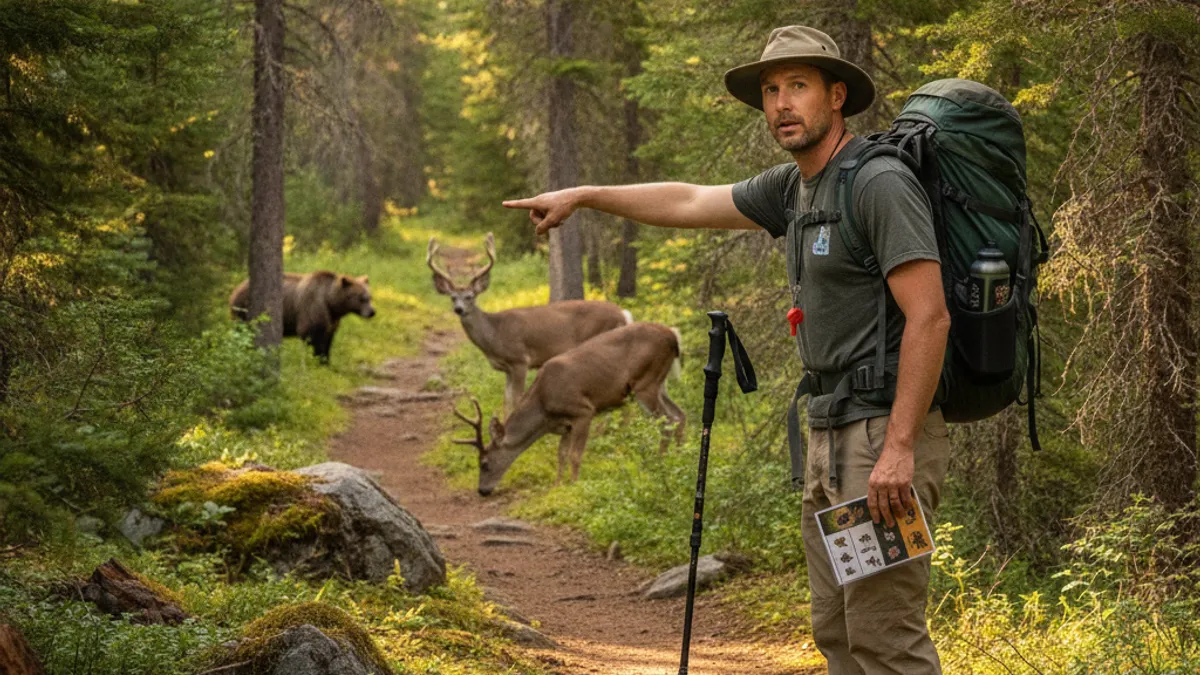
The specific risks you face depend heavily on where you’re hiking, but some common concerns span across many environments. These can range from venomous snakes and biting insects to larger mammals that might be territorial or see you as a food source. For example, in North American forests, bears are a significant concern, and understanding their different types, black bears versus grizzly bears, is crucial for knowing the appropriate response. Similarly, in desert areas, rattlesnakes and scorpions pose a threat you need to be prepared for.
Identifying Local Wildlife and Their Habitats
Before you even step onto the trailhead, take some time to learn about the wildlife in the specific area you’ll be exploring. Are you hiking in bear country? Do venomous snakes frequent the trails? Are there known populations of mountain lions or coyotes?
This knowledge is foundational for knowing what precautions to take. Websites for national parks, state wildlife agencies, and local land managers are excellent resources. For example, the National Park Service provides detailed information on the species inhabiting each park and specific safety recommendations. Knowing the habitat, whether it’s dense woods, open meadows, or rocky terrain, also helps anticipate where you might encounter certain animals.
Essential Pre-Hike Planning for Wildlife Safety
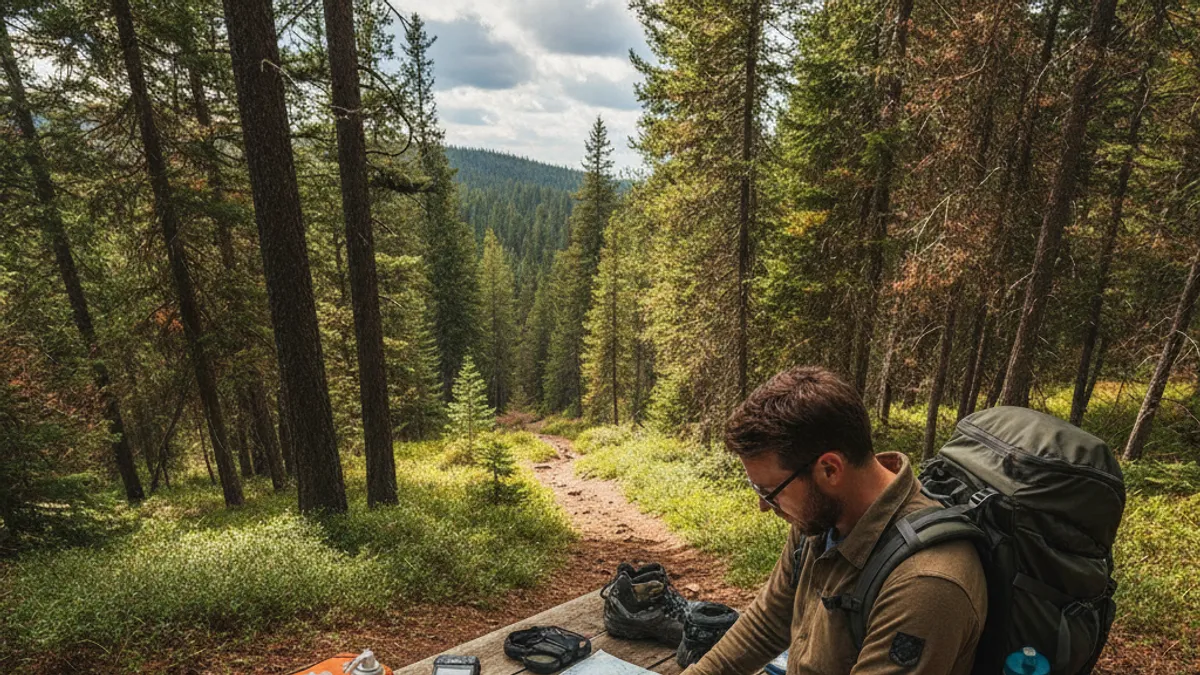
Most wildlife encounters can be avoided with a little bit of planning before you even start your hike. This phase is perhaps the most critical, as it sets the stage for a safe experience. It involves not just packing the right things, but also mentally preparing and educating yourself about the particular environment you’re heading into. Neglecting this step is like going into a test without studying, you’re significantly increasing your chances of a negative outcome.
How to Protect Yourself From Wildlife While Hiking Step by Step
Safety starts before you even put on your hiking shoes. If you follow these practical steps, you will greatly lower your chances of a bad wildlife encounter.
1. Make Noise on the Trail
Stealth is your worst enemy in the woods. You want animals to hear you coming from far away. Talk loudly with your hiking partner. If you are day hiking alone, clap your hands loudly every few minutes or call out “Hey bear!” when coming around blind corners. Let the animals know you are human.
2. Carry the Right Safety Gear
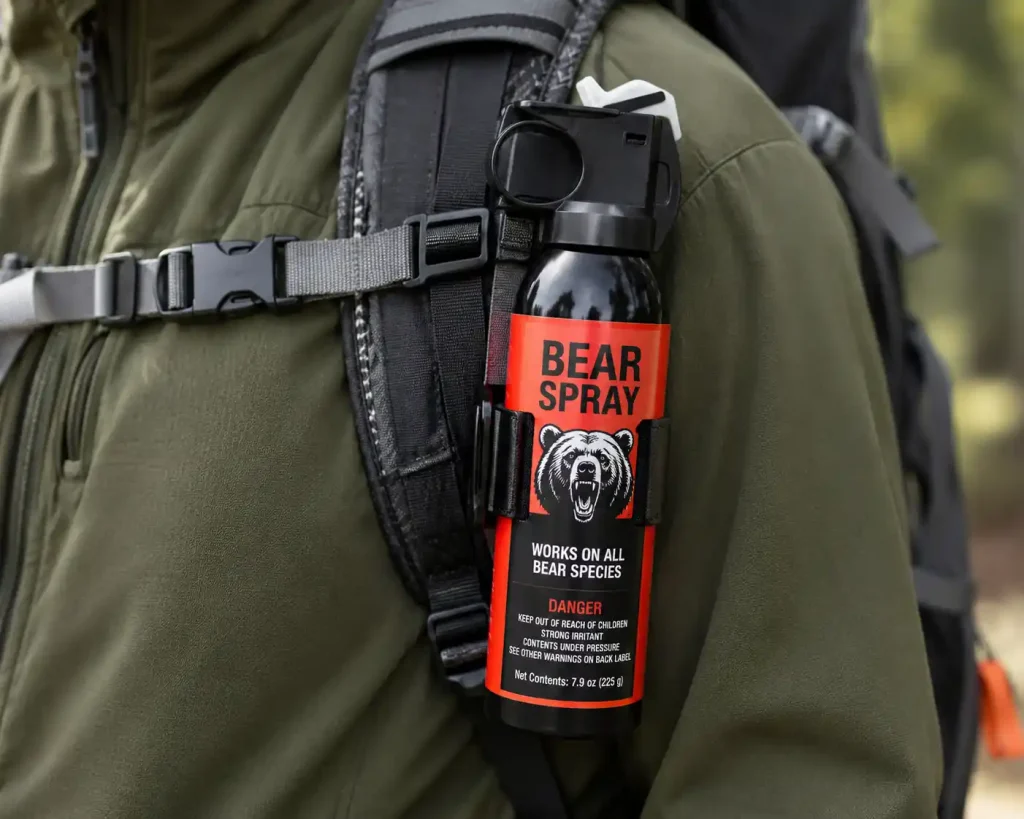
You need to carry protection. Bear spray is the most effective tool you can have. According to the National Park Service, bear spray is much better at stopping aggressive bears than a firearm. Make sure it is clipped to your chest or hip belt. If it is inside your hiking backpack, you will not reach it in time.
3. Hike in Groups
There is safety in numbers. Wild animals rarely approach groups of three or more people. If you are backpacking, stick together. Do not let one person fall far behind the group. This is especially true in mountain lion territory.
4. Stay on the Marked Trail
Off-trail hiking pushes you directly into animal bedding areas and nesting grounds. Sticking to the main trail keeps you in areas where animals expect humans to be. Plus, it is much easier to navigate using your regular navigation tools when you stay on the path.
5. Manage Your Food Properly
If you are setting up camping gear for the night, food safety is your top priority. Bears, raccoons, and rodents will smell your dinner from miles away. Cook your food away from your tent. Store all food, trash, and scented items (like toothpaste) in a bear canister or hang it high in a tree.
|
Safety Item
|
Why You Need It
|
|---|---|
|
Bear Spray
|
Creates a wide cloud of pepper spray to stop charging animals.
|
|
Trekking Poles
|
Helps you balance while backing away. Can be crossed above your head to look bigger.
|
|
Emergency Whistle
|
Loud, sharp noise can scare off some animals and alert nearby hikers for help.
|
|
Bear Canister
|
Keeps your food smells hidden and stops animals from getting a free meal.
|
Common Mistakes to Avoid
Over the years, I have seen hikers make a lot of dangerous mistakes. You want to enjoy the trail safety, so please avoid doing these things.
- Using Bear Bells: Many experts agree that the soft tinkling sound of a bear bell is not loud enough. It sounds like a bird or a natural forest noise. Human voices work much better.
- Letting Dogs Off-Leash: An off-leash dog will smell a bear, chase it, anger it, and then run right back to you for protection, bringing the angry bear with them. Keep your pets leashed.
- Trying to Get the Perfect Photo: If you see a wild animal, your first thought should be safety, not social media. Never step closer to an animal to get a better picture.
- Hiking at Dawn or Dusk: This is when animals are most active and hunting for food. If you must hike at this time, be extra loud and alert.
- Wearing Headphones: You need your ears to hear cracking branches or warning growls. Keep your music turned off.
Packing the Right Gear for Animal Encounters
Your hiking backpack essentials should always include items specifically for wildlife safety. This isn’t just about first-aid for potential injuries, but about carrying tools that can deter an animal or help you signal for help. What you pack will depend on the expected wildlife in your area, but some items are universally recommended.
Bear Spray: How to Choose and Carry It
If you’re hiking in areas known for bears, bear spray is a non-negotiable safety tool. It’s a potent pepper spray designed to deter aggressive bears at close range. When selecting bear spray, look for canisters with at least 7.9 ounces of active ingredients, typically capsaicinoids exceeding 1%. The spray should have a range of at least 25 feet and a spray duration of around 6 seconds or more, according to manufacturer specifications.
Most importantly, bear spray must be carried in a readily accessible holster on your belt or chest strap, never inside your backpack where it can’t be deployed quickly.
Essential Safety Items: Whistles, First-Aid, and More
Beyond bear spray, a loud whistle is a surprisingly effective tool. Three quick blasts are a universal signal for help, and the noise can also alert animals to your presence, potentially preventing a surprise encounter. A comprehensive first-aid kit should always be in your pack, and you should know how to use its contents, which could be critical if an encounter does result in injury. Insect repellent is another vital item; while not an “animal” in the same sense, bites from mosquitoes, ticks, or stinging insects can be painful and, in some cases, transmit diseases.
For remote hikes, consider a satellite messenger or personal locator beacon (PLB) in case of emergencies where cell service is unavailable. These devices can transmit your location to rescue services.
Staying Aware: Your First Line of Defense on the Trail
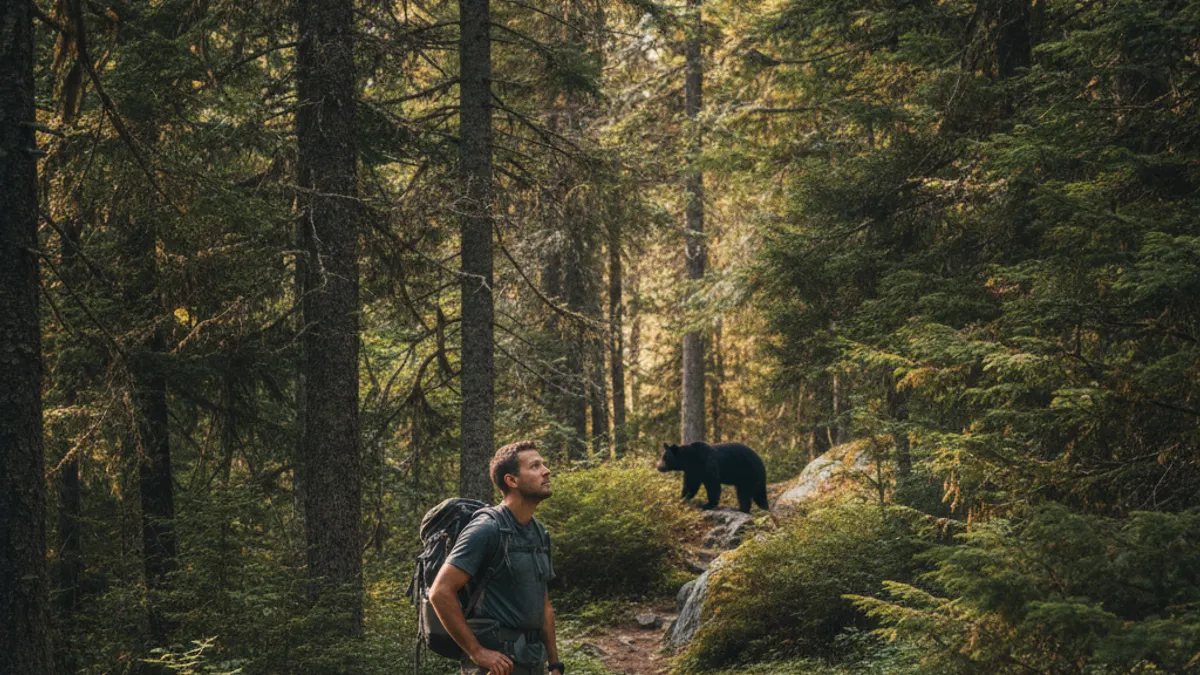
Once you’re on the trail, your most powerful tool for wildlife safety is your own awareness. This means being present, observant, and actively thinking about your surroundings rather than being lost in your thoughts or glued to your phone. Many accidents happen when people are distracted and don’t see what’s right in front of them. Staying attentive allows you to spot potential hazards before they become problems and react appropriately.
What to Do (and Not Do) During a Wildlife Encounter
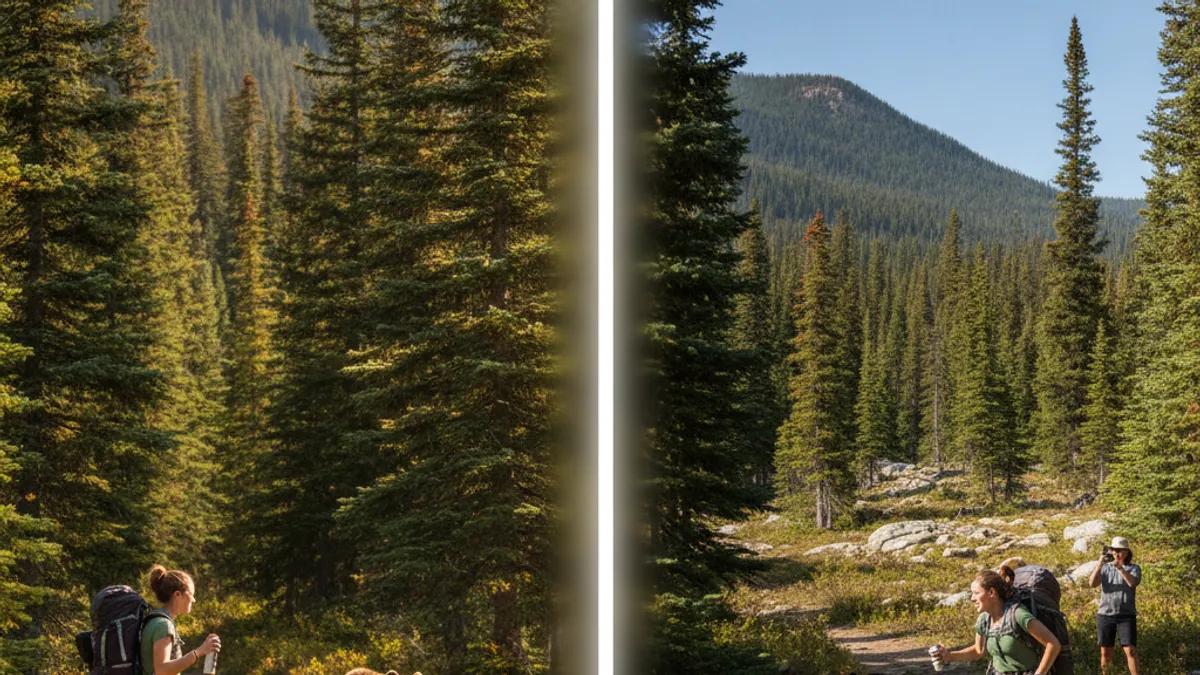
Even with the best preparation, sometimes you’ll find yourself face-to-face with wildlife. How you react in these moments is critical. The goal is always to de-escalate the situation and show the animal you are not a threat. Your response should be calm, confident, and based on the specific animal you are encountering.
Panicking or making sudden movements can often escalate a situation.
Specific Encounters: Bears, Mountain Lions, and Others
- Bears: If you see a bear, stay calm. Do not run. Make yourself look as large as possible by standing up tall and raising your arms. Speak in a calm, low voice. Slowly back away, never turning your back. If a bear charges, stand your ground and prepare to use your bear spray. If a fight is unavoidable and it’s a black bear, fight back aggressively. If it’s a grizzly bear, play dead.
- Mountain Lions: If you encounter a mountain lion, do not run. This can trigger its predatory instinct. Make yourself look as big as possible, make loud noises, and maintain eye contact. Throw rocks or sticks if it approaches aggressively. If it attacks, fight back with all your might.
- Snakes: If you see a snake, give it a wide berth and leave it alone. Most snakes are not aggressive and will only bite if they feel threatened. If you are bitten, try to remain calm, keep the bite area below heart level if possible, and seek immediate medical attention. Do not attempt to cut the wound or suck out the venom.
Never Feed Wildlife: Why It’s Dangerous for Everyone
Feeding wildlife is not only against the rules in most parks and wilderness areas, but it’s also incredibly dangerous for both the animals and future hikers. When animals become accustomed to receiving food from humans, they lose their natural fear and foraging instincts. This can lead them to become bolder, more aggressive, and more prone to approaching people or even entering campsites and vehicles in search of food. It can also lead to animals becoming habituated, which often results in them having to be relocated or even euthanized for public safety.
This practice also poses a risk to you; leaving food scraps unsecured can attract animals to your immediate area, increasing the chance of an unwanted encounter. This is why practicing Leave No Trace principles, including proper food storage and waste disposal, is essential.
Mistakes That Invite Trouble: Common Hiking Errors
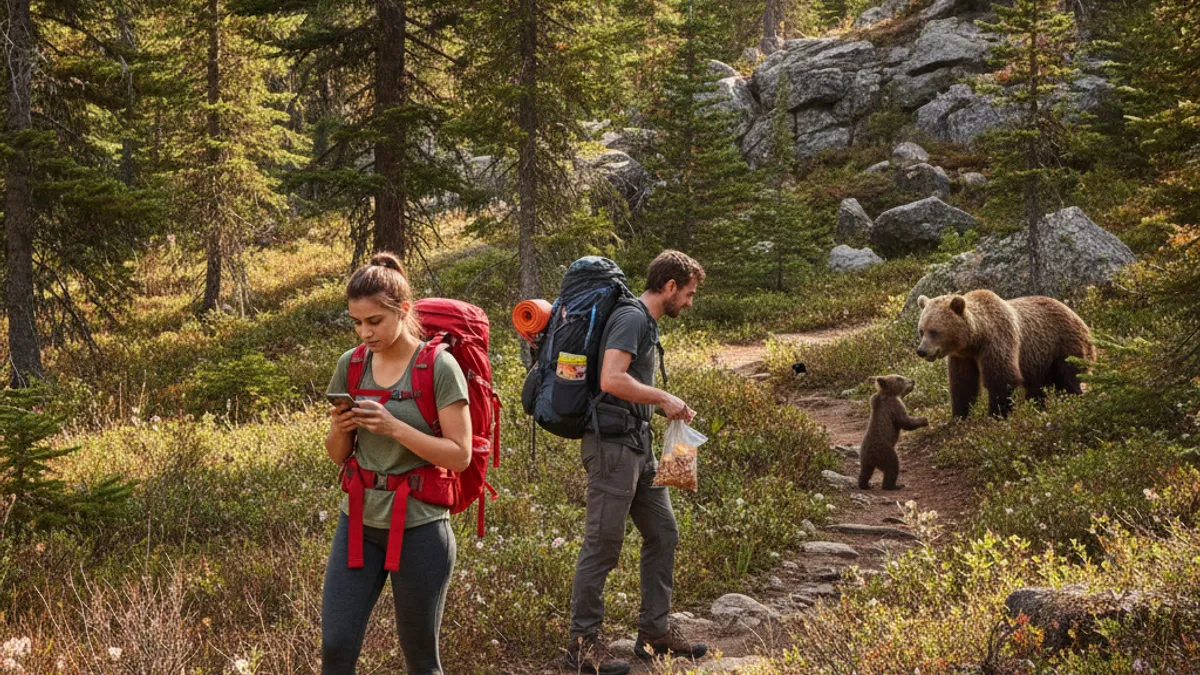
Many wildlife encounters that go awry stem from simple human errors. These aren’t necessarily malicious acts, but rather oversights that put both the hiker and the animal at risk. Being aware of these common pitfalls is just as important as knowing the right actions to take.
- Surprising Animals: This is perhaps the biggest mistake. Not making noise, hiking with headphones on, or being too engrossed in conversation means you might stumble upon an animal without warning, startling it and potentially provoking a defensive reaction.
- Getting Too Close for Photos: The desire for that perfect shot can lead people to approach wildlife too closely. Remember that animals have personal space, and intruding on it can be perceived as a threat. Maintain a safe distance.
- Leaving Food Unattended or Discarded Improperly: This is a magnet for animals. Not storing food securely in bear-resistant containers or packing out all your trash, including fruit peels and wrappers, teaches animals to associate humans with food.
- Hiking Alone in High-Risk Areas Without Sufficient Preparation: While hiking alone can be rewarding, it carries increased risks, especially in areas with known dangerous wildlife or limited cell service. If you choose to solo hike, ensure you are extra prepared and have informed someone of your route and expected return time.
- Ignoring Trail Closures or Advisory Signs: These are put in place for a reason, often due to dangerous wildlife activity. Disregarding them is a direct invitation to trouble.
When Things Go Wrong: Immediate Actions and First Aid
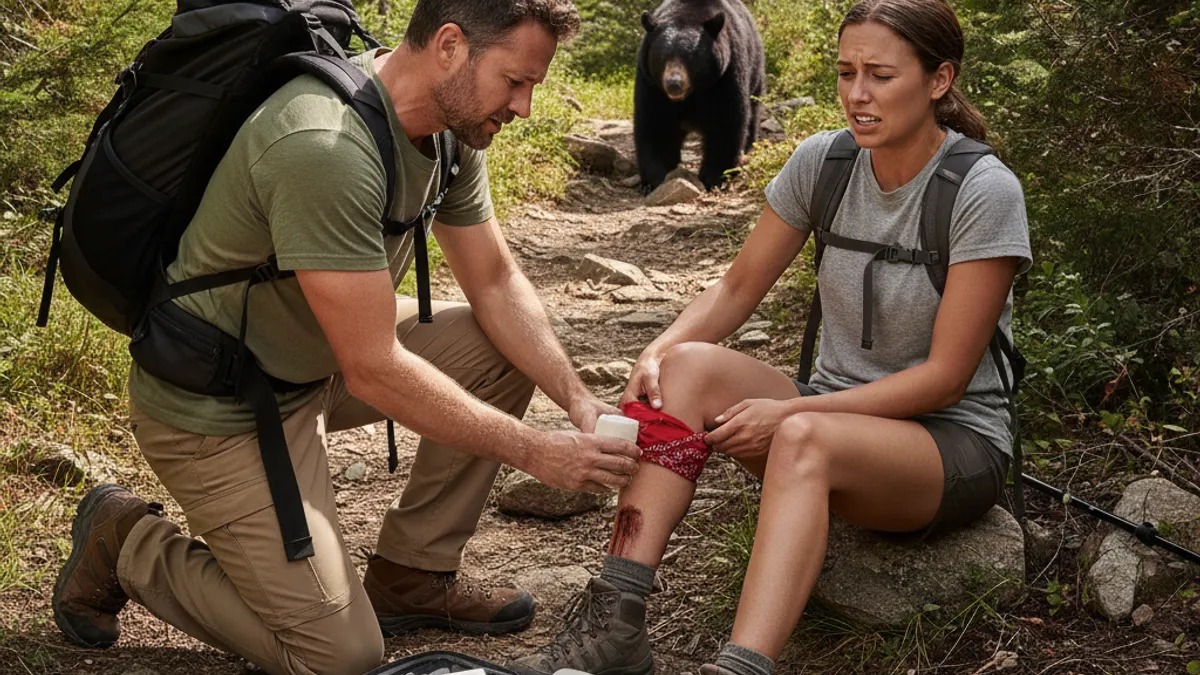
Even the most prepared hikers can find themselves in a challenging situation. If an animal encounter escalates to an attack or results in an injury, knowing what to do immediately can significantly improve the outcome. The focus shifts to immediate self-care, signaling for help, and administering whatever first aid is possible under the circumstances. This is where having a well-stocked and familiar first-aid kit becomes absolutely vital, along with a clear head.
Treating Common Hiking Injuries
Injuries on the trail can range from minor scrapes and sprains to more serious wounds. For cuts and abrasions, the first step is always to clean the wound thoroughly with antiseptic wipes or clean water. Once clean, apply a sterile bandage. For sprains or fractures, immobilize the injured limb as much as possible.
Applying a cold pack (if available) can help reduce swelling. Always assess the severity of the injury; if it’s serious, your priority becomes signaling for help and managing pain and bleeding until assistance arrives.
Signaling for Help in Remote Areas
If you’re injured and unable to hike out, you’ll need to signal for help. The universal distress signal is three of anything: three loud whistles in succession, three flashes of a light, or three shouts. If you have a satellite messenger or personal locator beacon, activate it immediately to send your location to emergency services. If you have a mirror, use it to flash sunlight towards any potential rescuers, like aircraft or distant hikers.
Staying put once you’ve signaled is generally advisable, unless your location is immediately dangerous.
Staying Safe: Expert Tips for Confident Hiking
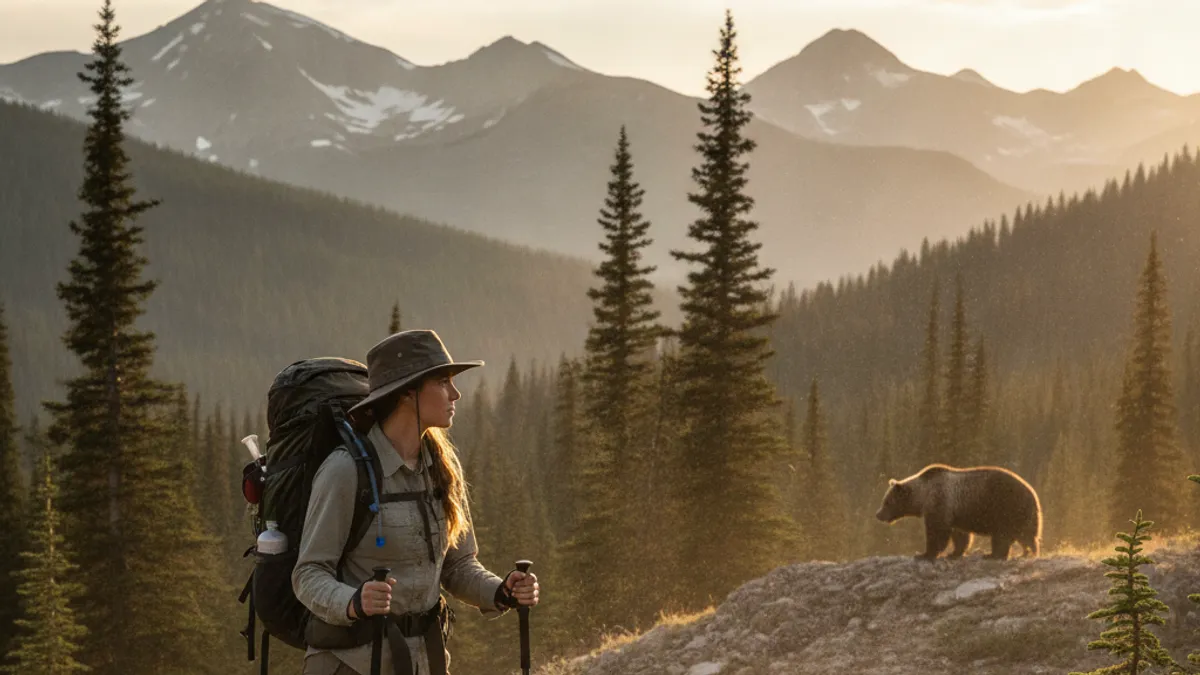
Beyond the fundamental rules, there are several expert tips that seasoned hikers and wildlife professionals recommend to enhance your safety. These are often subtle but effective strategies that contribute to a safer and more enjoyable outdoor experience. They’re born from a deep understanding of animal behavior and the natural environment.
- Hike with Others: A group of three or more people is often considered the safest option. Larger groups are more noticeable, make more noise, and can present a more intimidating presence to animals. This doesn’t mean solo hiking is impossible, but it requires heightened awareness and preparedness.
- Stay on Marked Trails: Off-trail hiking can lead you into areas where wildlife might feel more vulnerable or territorial. Marked trails are generally more predictable and less likely to be direct pathways for animal movement.
- Carry a Reliable Navigation System: Getting lost is a major risk factor that can heighten your vulnerability and potentially lead you into dangerous situations. Ensure you have a map, compass, and know how to use them, or a reliable GPS device with extra batteries.
- Be Extra Cautious at Dawn and Dusk: Many animals are most active during these low-light periods. If you’re hiking during these times, increase your vigilance and noise-making efforts.
- Know Your Dog’s Behavior: If you bring your dog, keep it on a leash. Dogs can sometimes provoke wildlife or lead dangerous animals back to you. Understand your dog’s temperament around other animals and people.
Official Resources for Wildlife Safety Information
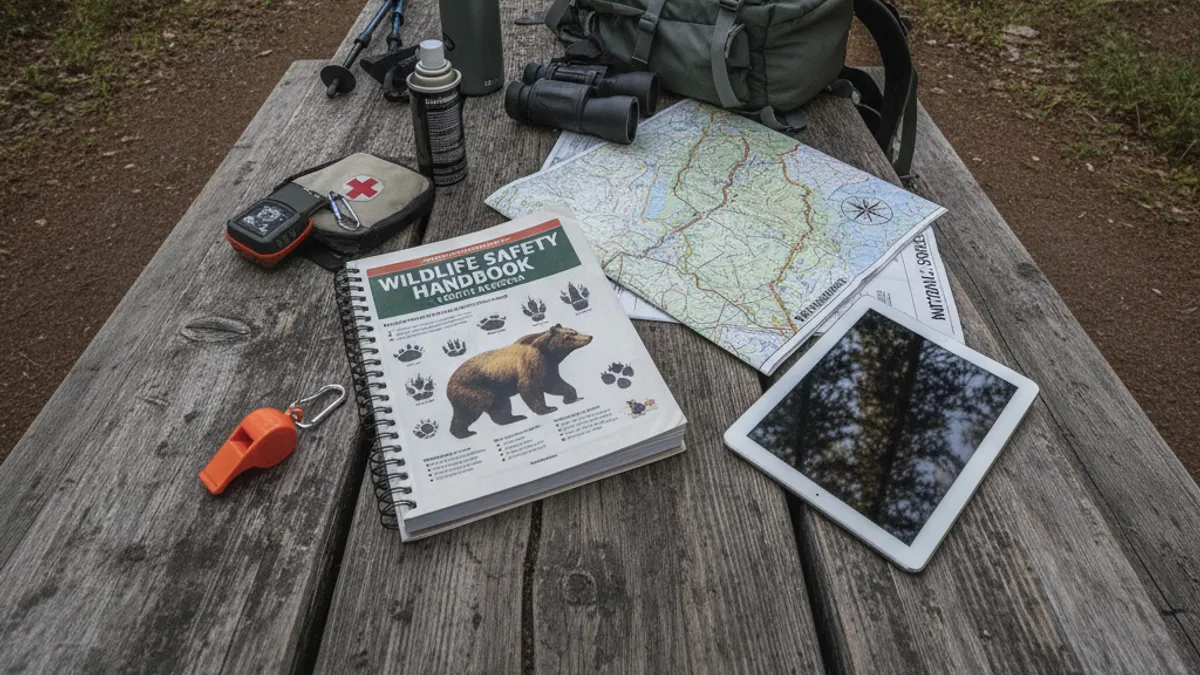
To ensure you’re getting the most accurate and up-to-date information, always consult official sources. These organizations are dedicated to research, conservation, and public safety in natural environments. Their guidance is based on scientific study and real-world experience, making them invaluable for anyone heading outdoors. Relying on these authorities provides a solid foundation for your safety preparations.
- National Park Service (NPS): For hikes within U.S. National Parks, the NPS website is a primary source for information on local wildlife, risks, and safety advisories. They provide detailed guides for specific parks and animals.
- U.S. Forest Service (USFS): Similar to the NPS, the USFS offers extensive resources for trails and wildlife management on national forest lands. Their regional offices often have specific information relevant to their areas.
- State Wildlife Agencies: Each state has its own wildlife agency (e.g., California Department of Fish and Wildlife, Texas Parks and Wildlife Department) that provides critical information about the animals in their jurisdiction, including safety precautions.
- University Extension Offices: Many university extension programs offer research-based publications and advice on wildlife identification, behavior, and safety, often available online through their .edu websites.
These entities provide guidelines that are developed through extensive research and practical application, ensuring the advice you receive is grounded in factual data and safety protocols.
Expert Tips from Oscar
I want you to feel confident when you grab your hiking essentials and head out the door. Here are a few personal tips I use every time I hit the trail.
Oscar’s Tip: Trust Your Good Hiking Boots
When you have to slowly back away from an animal, the last thing you want to do is trip over a root and fall backward. Make sure you are wearing sturdy hiking boots or trail shoes with great grip. Keep your eyes on the animal, not your feet, and feel your way backward.
Oscar’s Tip: Check the Wind for Bear Spray
If you ever have to pull the safety pin on your bear spray, take one second to notice the wind. If the wind is blowing directly into your face, try to step to the side. If you spray it directly into the wind, it will blow back into your own eyes, leaving you blind and helpless.
Oscar’s Tip: Talk, Do Not Scream
When making noise to alert wildlife, use a calm, deep voice. Screaming in a high pitch can sound like a wounded animal, which might actually attract predators like mountain lions. Just talk like you are projecting your voice across a large room.
Key Takeaways
- Always make human noise on the trail so you never surprise an animal.
- Carry bear spray where you can reach it in two seconds.
- Never run away from a predator. Back away slowly and steadily.
- Know the difference between fighting back (mountain lions, black bears) and playing dead (grizzly bears).
- Keep a clean campsite and store your food in bear-proof containers.
Frequently Asked Questions
What is the best way to scare a bear?
If it is a black bear, you should stand tall, wave your arms, and yell loudly in a deep voice. Bang your trekking poles together. You want to look and sound as intimidating as possible so the bear decides you are not worth the trouble.
Should I run if I see a mountain lion?
No, you should never run from a mountain lion. Running triggers their instinct to chase and hunt. Instead, face the lion, make yourself look very large by opening your jacket, and throw stones or branches if it approaches you.
Do bear bells actually work to keep wildlife away?
Most wildlife experts agree that bear bells are not very effective. The sound they make is too quiet and sounds too much like a bird or natural water noises. Shouting, talking loudly, or clapping is much more effective at warning animals.
How far should I stay away from wild animals?
The general rule is to stay at least 100 yards (the length of a football field) away from bears, wolves, and mountain lions. For smaller or less dangerous wildlife, you should stay at least 25 to 50 yards away to give them plenty of space.
What if I get bitten by a snake on the trail?
If a snake bites you, move away to avoid a second bite and stay as calm as possible to keep your heart rate down. Do not try to suck the venom out or use a tourniquet. Call for emergency help immediately and walk slowly back to your vehicle if you must.
Conclusion
Learning how to protect yourself from wildlife while hiking does not mean you have to hike in fear. The outdoors are beautiful, and seeing animals from a safe distance is one of the best parts of exploring nature. By making noise, staying alert, and carrying the right protective gear, you take control of your own safety.
Remember, your brain is your best survival tool. Take the time to research the specific trails you plan to visit. Talk to the local park rangers before you head out. They know exactly where the animal activity is highest and can give you great advice for the day.
The good news is that wildlife attacks are very rare. If you use common sense and respect the animals’ space, you will have an amazing time on the trail. If you are putting together your gear for your next trip, be sure to check out my guide on the essential day hiking items you should always carry. Stay safe out there, and happy hiking!
