
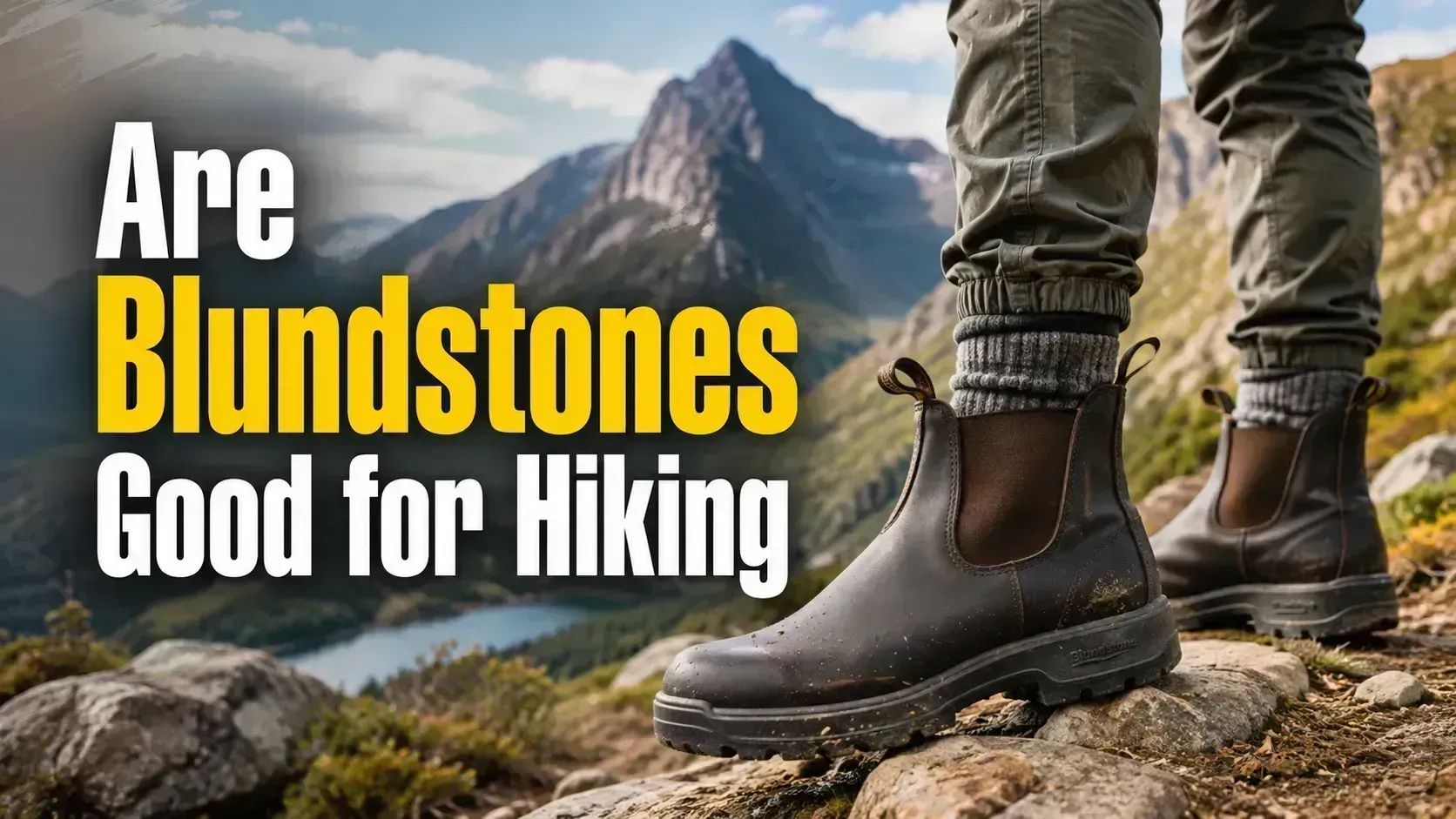
Thinking about taking your favorite Blundstone boots out on the trail? It’s a common question, especially since these boots are so comfortable and rugged for everyday wear. However, their suitability for hiking isn’t as straightforward as you might hope. We’ve dug into what makes a boot trail-worthy to see how Blundstones measure up against your outdoor adventures.
When it comes to hiking, specialized footwear is designed with your safety and comfort on challenging terrain in mind. For example, many dedicated hiking boots feature aggressive outsoles with lug depths of up to 5mm for reliable traction, according to industry standards. Blundstones, while excellent for many uses, often prioritize a different set of characteristics. Let’s break down whether they are the right tool for your next hike.
Quick Answer: Blundstones for Hiking – The Verdict
Blundstones are generally not ideal for serious hiking, especially on uneven, rocky, or steep terrain. While they offer durability and decent water resistance for casual walks or very light, flat trails, they critically lack the ankle support, aggressive traction, and consistent breathability needed for most hiking activities. For dedicated hikers, investing in specialized hiking footwear is highly recommended for safety and comfort.
What Makes a Boot “Good” for Hiking?
When we talk about good hiking boots, we’re really looking at a specific set of attributes designed to keep you safe and comfortable mile after mile. The terrain you’ll encounter on a hike is unpredictable, think loose gravel, slippery mud, uneven rocks, and steep inclines. Therefore, footwear needs to work with you, not against you.
This means prioritizing features like substantial ankle support to prevent twists and sprains, aggressive outsole tread patterns for reliable grip on varied surfaces, and protective elements like reinforced toe caps. Beyond that, features that manage moisture and provide consistent cushioning are crucial for preventing blisters and foot fatigue over longer distances. These aren’t just nice-to-haves; they’re fundamental for a positive and safe hiking experience.
Blundstone Features: What They Offer
Blundstone boots are renowned for a few key characteristics that make them popular for daily wear. Their construction typically involves robust leather uppers, often treated for water resistance. Many models feature a shock-absorbing footbed and a durable elasticated side panel, making them easy to slip on and off.
Manufacturer specifications often highlight their durability and all-day comfort for urban environments and light labor. Aggregate reviews frequently praise their longevity and the classic, stylish aesthetic. The elasticated sides are a signature feature, contributing to their pull-on design.
Blundstone Pros for the Trail
- Durability: Blundstones are built to last. Their tough leather uppers and solid construction can withstand a lot of wear and tear, making them feel like a solid investment.
- Water Resistance: Most Blundstone models offer a good degree of water resistance. This means they can handle light rain, puddles, and damp ground without your feet getting immediately soaked.
- Everyday Comfort: Many users find Blundstones exceptionally comfortable for walking, standing, and general activities, thanks to well-designed footbeds and cushioning.
- Ease of Use: The iconic pull-on Chelsea boot style means no fussing with laces. They’re quick to put on and take off, which is convenient for everyday tasks.
These advantages make Blundstones fantastic for a wide range of activities, from walking around town to light yard work. However, we need to see how these strengths translate to the specific demands of hiking.
Blundstone Cons for the Trail
- Minimal Ankle Support: This is arguably the most significant drawback for hiking. Blundstones have a low-cut ankle shaft, offering very little structural support to prevent your ankle from rolling on uneven ground. This is a critical safety feature missing for most trail conditions.
- Traction Limitations: While their outsoles provide decent grip on smooth surfaces, they often lack the aggressive, deep lugs found on specialized hiking boots. This means reduced traction on loose dirt, mud, wet rocks, or steep inclines.
- Breathability: The durable, often water-resistant construction can make Blundstones less breathable than many hiking shoes. This can lead to hot, sweaty feet on longer hikes, increasing the risk of blisters.
- Weight: Compared to modern trail runners or lightweight hiking shoes, Blundstones can feel a bit hefty, potentially contributing to foot fatigue over extended periods.
- Lack of Lacing Adjustability: The fixed elastic side panel means you can’t cinch down the boot for a more secure fit on steep descents or adjust for foot swelling during a hike.
Blundstones vs. Dedicated Hiking Boots: The Key Differences
When you’re choosing footwear for a hike, it’s helpful to think about what specialized hiking boots are designed to do that everyday boots might not. Think of it like using a screwdriver versus a multi-tool; both can turn a screw, but one is engineered for the job. Hiking boots are built from the ground up to handle varied, unpredictable outdoor environments.
Their design prioritizes stability, grip, and protection over casual comfort or fashion. This often translates to features like higher ankle collars, deeply lugged outsoles, and more robust cushioning systems. Understanding these differences is key to deciding if Blundstones are a viable option for your specific trail plans. As of 2026, manufacturers continue to innovate in these areas.
Traction Comparison: Grip on the Trail
The outsole is your primary connection to the ground, and for hiking, that connection needs to be as secure as possible. Specialized hiking boots typically feature aggressive, multi-directional lug patterns designed to bite into various surfaces. These lugs, often made from specialized rubber compounds, provide superior grip on loose dirt, mud, wet rocks, and gravel.
For instance, dedicated hiking boots may have lug depths ranging from 3mm to 5mm or more, with strategically placed spacing to shed mud effectively. Blundstone outsoles, while durable, generally have shallower, less aggressive tread patterns. Aggregate user feedback reports suggest that while they perform adequately on pavement or dry, packed trails, they can feel less secure on scree, wet stream crossings, or slippery mud, increasing the potential for slips.
Ankle Support: Stability Matters
Ankle support is arguably one of the most crucial features for hiking footwear, especially on anything beyond the most manicured paths. Traditional hiking boots often feature mid- or high-cut designs that wrap securely around the ankle. This provides a stable platform, helping to absorb impact and critically reducing the risk of ankle rolls or sprains when stepping on uneven ground, roots, or rocks.
Blundstones, being a classic Chelsea boot style, are inherently low-cut. They offer minimal to no direct ankle support. While this contributes to their easy slip-on design and comfort for casual walking, it means your ankles are more exposed to twisting forces on uneven trails. This can be a significant concern for hikers, particularly those venturing onto technical terrain or carrying a pack, as a rolled ankle can quickly end a hike and lead to injury.
You can explore more about how to choose hiking boots for a deeper dive into fitting footwear.
Protection & Durability on Rugged Terrain
Hiking can be tough on your feet and footwear. Trails are often littered with sharp rocks, roots, and other debris that can damage your boots and, more importantly, your feet. Dedicated hiking boots are built with protective features specifically for this. This includes reinforced toe caps and heel counters to shield against stubbed toes and impacts.
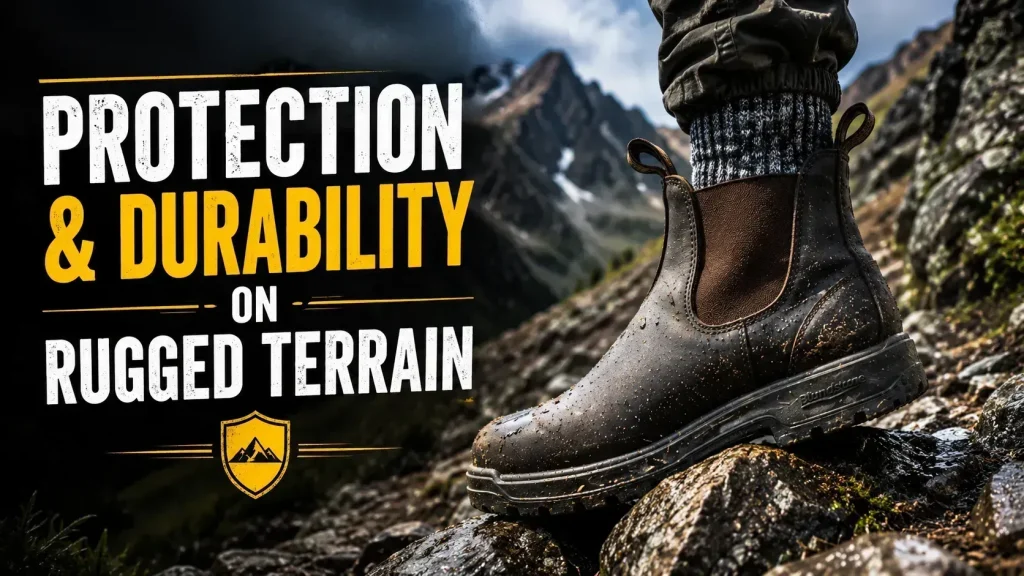
Blundstones are certainly durable boots, made from tough materials. Their leather construction offers a good level of abrasion resistance. However, they generally lack the specific reinforcements found in hiking boots, such as integrated toe guards or more rigid heel cups. This means while they might withstand repeated wear, they offer less direct protection against sharp impacts on the trail compared to boots designed for that specific purpose.
Their robust build, however, does mean they’re often a long-lasting choice, just not necessarily for the harshest conditions.
Real-World Hiking Scenarios: Where Blundstones Might Work
So, can you actually hike in Blundstones? The answer really depends on the hike itself. If your idea of an outdoor adventure involves gentle strolls through well-maintained paths with minimal elevation changes, your trusty Blundstones might just do the trick. They can handle light excursions where extreme conditions aren’t a factor.
These are short, easy walks on paved paths, crushed gravel trails, or well-trodden parkland. If you’re going for a short walk to enjoy nature without any challenging obstacles, they provide a comfortable and stable enough platform. These trails typically have even surfaces and predictable footing, minimizing the risks.
Short, Gentle Walks on Easy Trails
For leisurely outings on paved paths, crushed gravel trails, or well-trodden parkland, Blundstones can genuinely work. If you’re going for a short walk to enjoy nature without any challenging obstacles, they provide a comfortable and stable enough platform. These trails typically have even surfaces and predictable footing, minimizing the risks associated with the boots’ limitations.
In these scenarios, the basic cushioning and water resistance of Blundstones are often sufficient. You won’t need extreme ankle support for a flat quarter-mile stroll. It’s about a shoe that feels good on your feet for casual movement outdoors.
Day Hikes with Moderate Terrain (Proceed with Caution)
When your day hike involves more than just a flat path, things get trickier. Trails that have some rocks, roots, or gentle inclines can be managed in Blundstones, but it requires extra awareness. You’ll need to pay much closer attention to your footing than you would in dedicated hiking boots.
This approach is for the hiker who knows their Blundstones well and understands their limits. It’s about making conscious choices to step carefully around potential hazards. You might find yourself wishing for more ankle stability on descents, or better grip on loose surfaces. For conditions like these, trail runners vs hiking boots offer a good comparison to consider.
When Blundstones Are NOT the Right Choice for Hiking
There are certain types of hikes where wearing Blundstones is not just limiting, but genuinely ill-advised. Pushing these boots beyond their intended capabilities can lead to discomfort, fatigue, and an increased risk of injury. It’s crucial to understand these boundaries.
These are the situations where the specific design flaws of Blundstones for hiking become glaringly apparent and potentially hazardous. Ignoring these limitations can turn an enjoyable outing into a difficult or even dangerous experience.
Long Treks & Backpacking Limitations
For extended trips, especially backpacking, the limitations of Blundstones become pronounced and can cause significant issues. The cumulative effect of terrain on your feet and ankles over many hours and miles is substantial. Blundstones simply aren’t built to provide sustained support and protection for such demanding excursions.
The lack of adequate ankle support becomes a major problem when carrying a heavy backpack, which adds significant stress to your joints. Furthermore, the limited breathability can lead to excessive foot sweat, increasing the likelihood of blisters and discomfort, which can be compounded by the lack of easy lacing to adjust fit as your feet swell. This is where proper hiking backpack essentials and footwear go hand-in-hand.
Steep Inclines and Technical Terrain Risks
When trails become steep, rocky, or involve significant elevation changes, the inherent weaknesses of Blundstone boots for hiking are fully exposed. Steep ascents demand excellent traction to prevent slipping backward, and steep descents require robust ankle support and secure footing to avoid falls or twists. Blundstones generally fall short on both counts.
Manufacturer specifications for hiking boots often detail specific tread patterns and sole compounds engineered for maximum grip on loose or uneven surfaces. Blundstone outsoles typically don’t offer this level of specialized traction. Attempting to hike steep, technical trails in them can lead to a heightened risk of slips, trips, and ankle injuries, turning an adventure into a potential emergency.
Mistakes to Avoid When Hiking in Blundstones
If you do opt to wear Blundstones on a hike, being aware of common pitfalls can help you mitigate risks. The biggest mistake is treating them like proper hiking boots and assuming they can handle any trail condition. This often leads to unexpected challenges and discomfort.
Another pitfall is not adjusting your expectations or your hiking route to match the footwear. Be realistic about the terrain. If you’re unsure whether your Blundstones are suitable, it’s likely they aren’t for that particular trail. Remember to also check what to wear hiking for beginners for general advice.
Here are a few key mistakes to steer clear of:
- Overestimating Traction: Believing their soles are sufficiently grippy for all conditions. Always test your footing cautiously, especially on wet or loose surfaces.
- Ignoring Ankle Vulnerability: Neglecting to be extra careful on uneven ground, assuming your ankles are adequately supported. Single-step errors on rocks can prove disastrous.
- Underestimating Foot Fatigue: Thinking they offer enough cushioning for long distances. Be prepared for tired feet sooner than you might expect.
- Not Preparing for Sweat: Assuming their water resistance means they are also breathable. Pack extra socks and monitor foot comfort frequently.
- Choosing Difficult Trails: Opting for rocky, root-strewn, or steep paths when wearing low-support boots. Stick to easier, more predictable routes.
- Not Carrying Backup: For longer hikes, consider bringing alternative footwear in your pack if your Blundstones might not suffice. This is a smart move for any outing where foot comfort is critical.
Expert Tips for Choosing Your Hiking Footwear
Selecting the right footwear is one of the most critical decisions you’ll make for any hiking trip. It directly impacts your comfort, safety, and overall enjoyment of the experience. Think of your boots or shoes as your primary interface with the trail environment.
As a general rule, match your footwear to the type of hiking you plan to do. For short, easy walks on paved or packed gravel paths, a comfortable sturdy shoe might suffice. However, for anything involving uneven terrain, significant mileage, or carrying a pack, dedicated hiking footwear is a sound investment. For those starting out, best hiking boots for beginners can offer great insights.
Here are some tips from the research:
- Know Your Trail Type: Are you sticking to park paths or tackling mountain terrain? Research the general conditions of your intended trails beforehand.
- Prioritize Ankle Support: For anything beyond a gentle stroll, particularly if you’re newer to hiking or have a history of ankle issues, opt for mid- or high-cut boots. This is a key differentiator from casual boots like Blundstones.
- Test Traction: Look for outsoles with deep, aggressive lugs designed for varied surfaces. A quick visual inspection can tell you a lot about a boot’s intended grip.
- Consider Waterproofing and Breathability: Decide if you need fully waterproof boots or if a water-resistant, more breathable option is better for your typical climate. Balance protection with comfort.
- Fit is Key: Try on boots at the end of the day when your feet are slightly swollen. Ensure there’s enough room to wiggle your toes without being too loose. A properly fitting boot is paramount for preventing blisters and discomfort. For more on this, check out our guide on how to choose hiking boots.
- Break Them In: Always wear new hiking footwear on shorter walks before heading out on a long trek. This allows the boots to mold to your feet and identify any potential hot spots. Proper hiking workout plans can also help prepare your body, but your feet need footwear that’s ready to go.
