
Hiking poles can seriously change your experience on the trail, making climbs easier and descents safer. If you’ve ever felt that strain on your knees after a long hike or wobbled on a tricky descent, you’ll quickly see why these simple tools are so valuable. Figuring out how to choose hiking poles isn’t complicated, but it does involve understanding a few key differences.
In our research, we found that most poles are designed with specific materials and features to enhance balance, reduce fatigue, and protect your joints. For example, manufacturer specifications often highlight a typical lever lock mechanism’s ability to withstand over 100 pounds of force for security. Let’s break down what you need to know to find the perfect pair for your adventures.
Why Hiking Poles Are Your Trail’s Best Friend
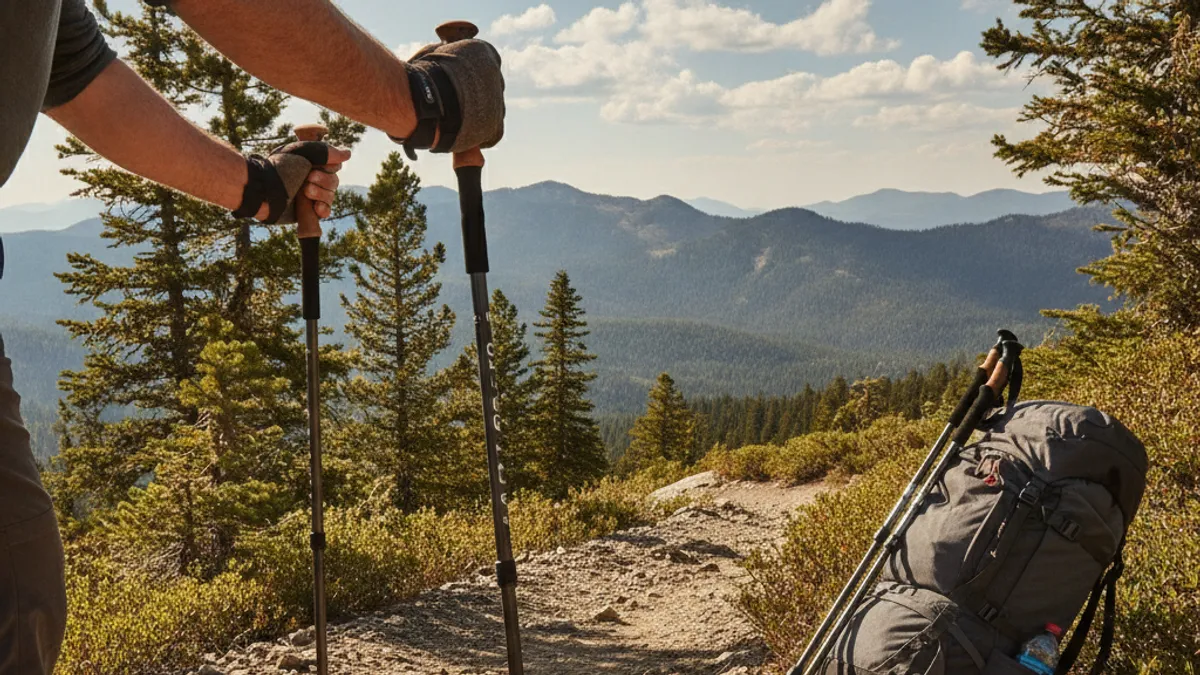
Hiking poles are more than just accessories; they act as an extension of your body, providing tangible benefits on nearly any trail. They’re an investment in your comfort and long-term trail enjoyment.
Bouncing Back: How Poles Save Your Knees and Boost Your Hike
The most celebrated advantage of hiking poles is their ability to significantly reduce the impact on your knees. When you’re descending, your body weight bears down hard, putting immense pressure on your knee joints. Poles act like shock absorbers, mitigating a substantial portion of this force. Aggregate user reviews frequently report a noticeable decrease in post-hike knee pain after adopting poles.
Beyond knee protection, they offer a crucial element of stability, especially on uneven or slippery terrain. Think of crossing a fast-moving stream or navigating loose scree; poles provide you with extra points of contact, almost like having an additional pair of legs. This enhanced balance can prevent stumbles and falls, boosting your confidence on challenging sections. Furthermore, on ascents, poles allow you to engage your arms and upper body, distributing the effort and making uphill climbs feel less strenuous.
This can lead to less overall fatigue, meaning you can hike further or simply feel better at the end of your trek.
Hiking Pole Anatomy: What Makes Them Tick
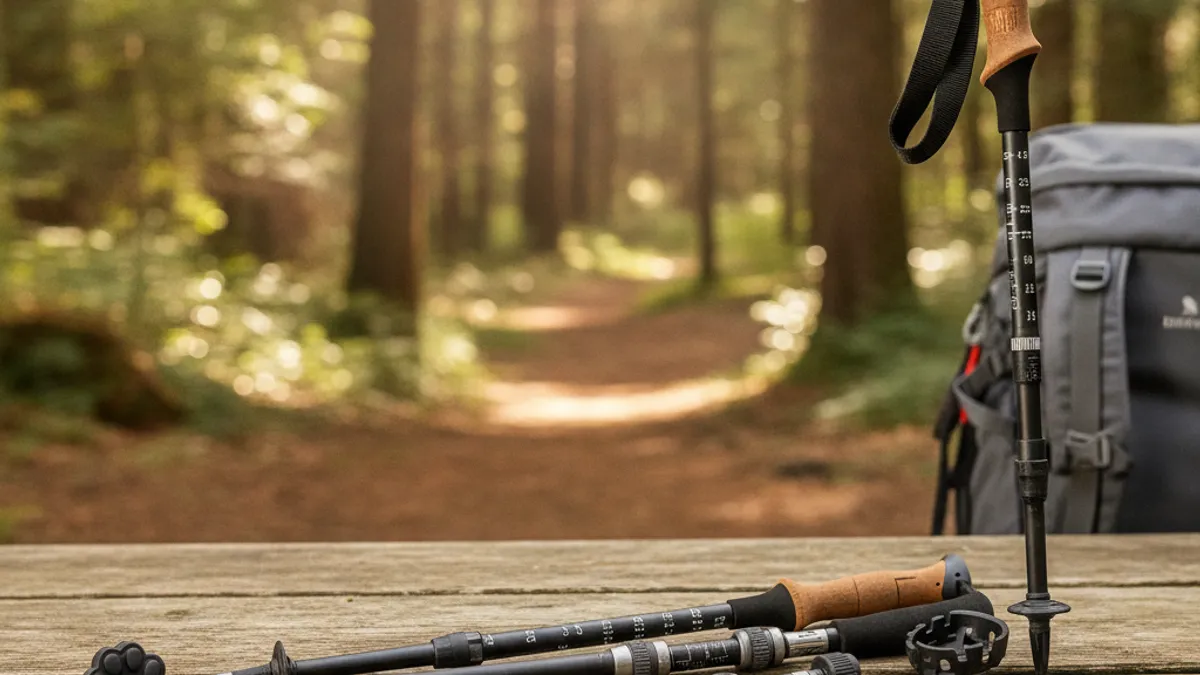
Understanding the basic components of a hiking pole will help you make informed choices. It’s not just about the color or the brand; it’s about how different parts work together to serve you on the trail.
Material Matters: Aluminum vs. Carbon Fiber
The material a pole is made from is one of the biggest factors influencing its weight, durability, and cost.
- Aluminum Poles: These are generally the go-to choice for many hikers. Aluminum is known for its robustness and resilience. If you’re prone to accidentally leaning on your poles or finding yourself needing to brace against unexpected terrain, aluminum can often bend rather than snap under extreme stress. Manufacturer specifications often list aluminum poles as being highly durable for regular use. They are also typically more affordable, making them a great entry point for those new to using poles or on a tighter budget. The main drawback is that they tend to be heavier than their carbon fiber counterparts.
- Carbon Fiber Poles: For hikers focused on shedding every possible ounce from their pack, carbon fiber is the premium choice. These poles are remarkably lightweight, which can make a significant difference on long backpacking trips or challenging day hikes where every pound matters. Carbon fiber also excels at absorbing vibrations, leading to a smoother feel in your hands and reducing the jolt transmitted up your arms. However, this material comes at a higher price point. While resilient to normal use, carbon fiber can be more brittle than aluminum, meaning in a severe, sudden impact, it might crack or break rather than deform.
Grip, Straps, and Locks: The Touchpoints of Your Trek
These are the parts you’ll interact with constantly, so their comfort and function are paramount. A good grip can prevent blisters, and a secure lock means your pole length stays put.
- Grips: The material of the grip directly impacts comfort and sweat management.
- Cork: This is a popular choice among experienced hikers. Cork naturally conforms to your hand’s shape over time and has excellent moisture-wicking properties, keeping your hands drier and preventing that clammy, cold feeling on long treks.
- Foam: Often found on mid-range to higher-end poles, foam grips provide good cushioning and can also absorb sweat effectively. They offer a softer feel than rubber.
- Rubber: While durable, rubber grips can sometimes feel warmer and stickier in hot conditions. They offer good traction but might not be as breathable as cork or foam.
- Straps: The wrist straps on your poles are crucial for transferring power efficiently from your arms and reducing strain on your hands. They allow you to “push” with the pole, making your stride more active. Look for straps that are easily adjustable, allowing for a snug but comfortable fit, even when wearing gloves.
- Locking Mechanisms: How you adjust and secure the length of your poles is critical for performance and safety. As of 2026, the two primary types are lever locks and twist locks.
- Lever Locks (External Lock): These are almost universally praised for their ease of use and reliability. You simply flip a lever to loosen the mechanism, adjust the pole length, and flip it back to lock it securely. They’re easy to operate with gloves on and you can visually confirm they are locked.
- Twist Locks (Internal Lock): These mechanisms twist to tighten and loosen. They offer a sleeker, more streamlined appearance as there are no external levers. However, they can sometimes be susceptible to dirt and debris, which can make them harder to loosen or tighten, and it’s not always as obvious if they are fully secure.
Tips and Baskets: The Business End of Your Poles
The very bottom of your poles handles the contact with the ground. The tips and any attached baskets play a vital role in performance and preventing trouble.
- Carbide Tips: Most poles come standard with carbide tips. This material is very hard and provides excellent grip on a variety of surfaces, including rock, dirt, and packed earth. They are highly durable.
- Rubber Tips: Many brands include removable rubber tips. These are useful for hiking on pavement or hard-packed trails where metal tips might be noisy or cause excessive wear. For actual trail hiking, you’ll almost always want to remove these and use the carbide tips for better traction.
- Baskets: These are small, disc-shaped attachments near the tip of the pole. Their primary function is to prevent the pole from sinking too deeply into soft ground like mud, sand, or snow. Most poles come with small-diameter baskets suitable for general trail use. If you anticipate hiking in deep snow or very soft conditions most of the time, you might consider purchasing larger, snow-specific baskets separately.
Finding the Right Length and Fit
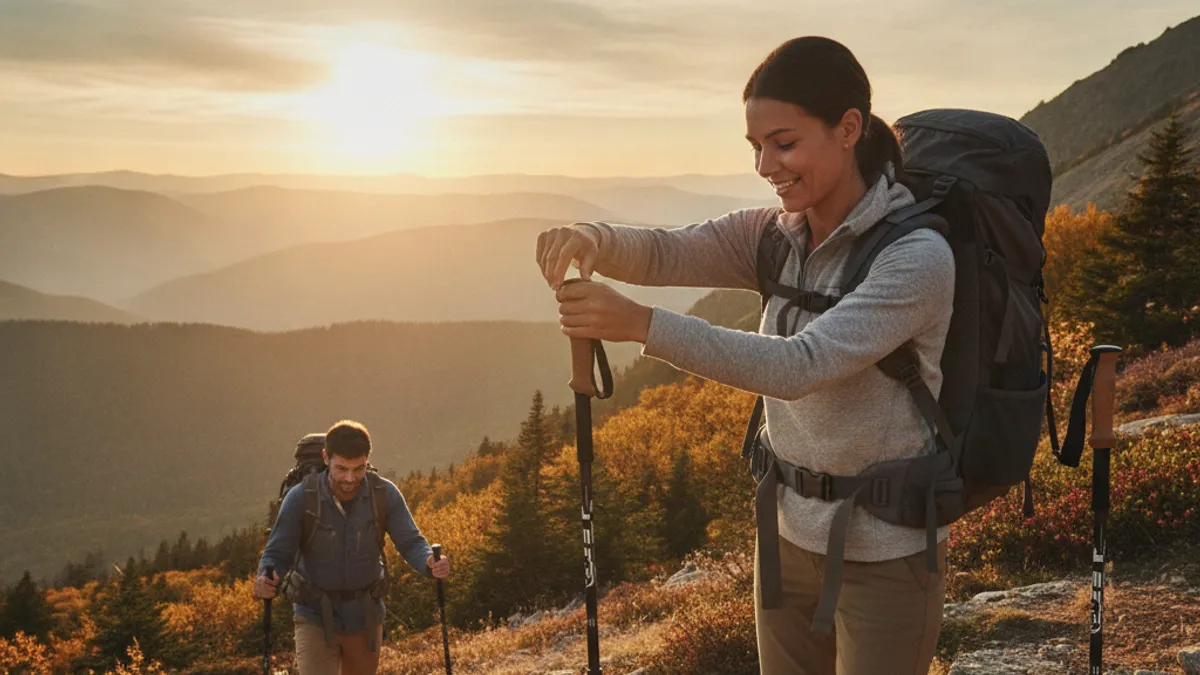
Getting your poles the correct length is crucial for maximizing their benefits and avoiding strain. It’s not just about grabbing a pair that looks roughly your height.
Adjustability for Every Trail
The vast majority of modern trekking poles are adjustable in length. This feature is an absolute must-have for most hikers. Adjustability allows you to fine-tune the pole’s length to suit different terrains and inclines. For example, when hiking uphill, you’ll generally want shorter poles to help you push off more effectively.
Conversely, for downhill sections, extending the poles can provide better support and help absorb more impact.
This adjustability also makes poles much easier to transport. When not in use, you can shorten them significantly to strap them to the outside of your backpack, making them convenient for sections where you don’t need them, or for stowing them on public transport or in a car. When considering adjustable poles, pay attention to the range of adjustment offered. Most standard trekking poles offer a range of about 20-30 inches, which is sufficient for most adults.
Always ensure the locking mechanism is robust and holds the length securely once adjusted.
How to Use Your Hiking Poles Effectively
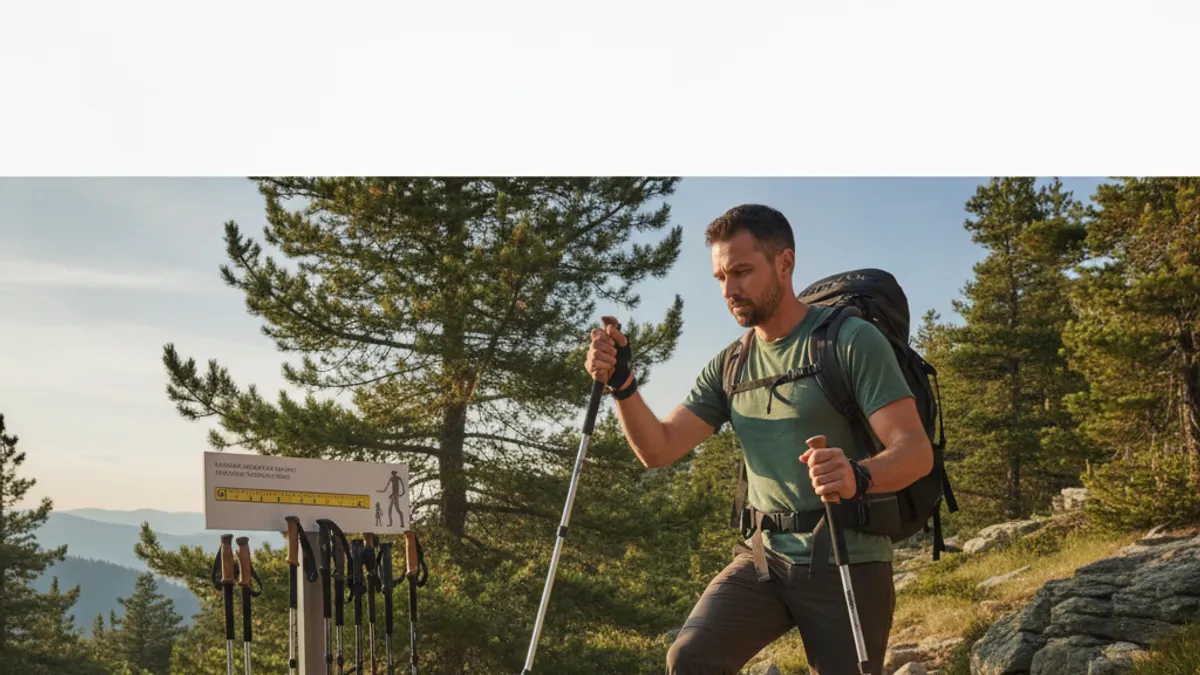
Once you’ve chosen your poles, learning how to use them correctly will unlock their full potential. It’s a skill that quickly becomes second nature and enhances your entire hiking experience.
Basic Technique for Better Balance and Power
The fundamental principle behind using hiking poles is to synchronize your arm swing with your opposite leg stride. For instance, as your right foot steps forward, your left pole should swing forward to help propel you. This coordinated movement creates a more balanced and efficient gait. On level ground, you’ll use a gentle push with each pole stroke to aid momentum.
If you’re curious about more advanced techniques, our guide on How To Use Hiking Poles offers further detail.
On ascents, you’ll want to increase the push-off force from your poles. This engages your upper body, taking some of the workload off your legs and helping you climb steeper grades with less perceived effort. For downhill sections, extend your poles slightly longer. Use them to brace yourself, control your pace, and absorb some of the jarring impact.
This helps significantly in protecting your knees and ankles from the stresses of descending.
Hiking Poles: Who Needs Them and Why?

While poles can benefit almost anyone who hikes, certain individuals and situations make them particularly invaluable. It’s not about being weak; it’s about being smart and comfortable on the trail.
Choosing Poles for Different Hiking Styles
The type of hiking you primarily engage in should heavily influence your pole choice. For casual day hikers tackling well-maintained trails, a durable and affordable aluminum pair with lever locks is often ideal. They offer good support without breaking the bank. If you’re embarking on longer backpacking trips, especially those involving significant elevation changes, the weight savings and vibration-dampening qualities of carbon fiber poles become much more appealing.
These are excellent for reducing fatigue over extended mileage.
For those with a history of knee issues or joint pain, poles are practically a necessity. They distribute load away from your lower extremities, making hikes considerably more comfortable and reducing the risk of aggravating existing injuries. Similarly, experienced hikers tackling very technical terrain, such as off-trail adventures, steep scrambles, or routes with frequent stream crossings, will appreciate the enhanced stability and balance that robust poles provide. If you’re interested in building strength for hiking, consider a comprehensive plan like our Hiking Workout Plan For Beginners alongside your gear choices.
Common Pitfalls to Avoid When Picking Poles
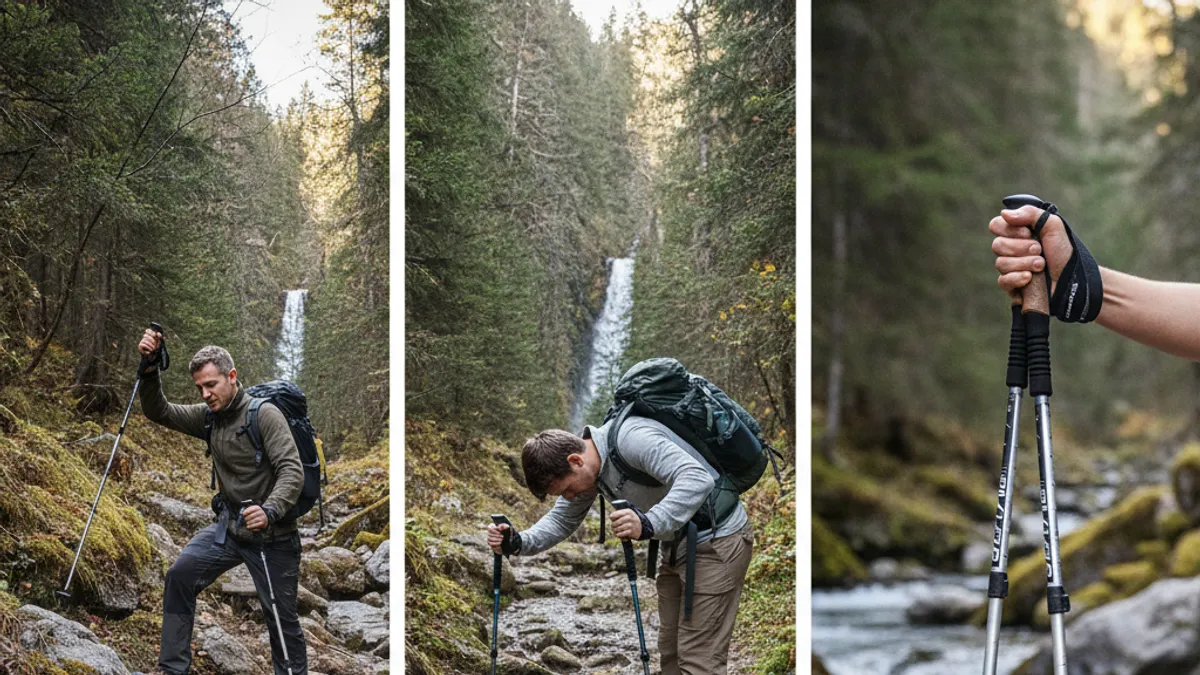
Making the wrong choice can lead to frustration, reduced effectiveness, or even injury. Being aware of common mistakes can save you time and money.
Mistakes That Lead to Frustration (and Bad Poles)
One of the most frequent errors hikers make is choosing poles that are too short or too long. Poles that are too short don’t offer enough support on descents and can lead to an awkward, hunched posture. Conversely, poles that are too long can be cumbersome on uphills and might cause you to lose balance. Always prioritize adjustable poles and take the time to set them to the correct length for your height and the terrain.
Another mistake is opting for sub-par locking mechanisms. Cheap twist locks can fail unexpectedly, causing the pole to collapse, which is a major safety concern.
Some hikers also overlook the importance of grip comfort and strap adjustability. You’ll be holding these poles for hours, so a poorly designed grip can lead to blisters or discomfort. Similarly, straps that don’t adjust properly won’t offer the optimal support. Finally, be wary of “too good to be true” deals on carbon fiber poles.
Extremely low prices might indicate poor quality materials or construction, negating the benefits of carbon fiber and potentially leading to premature failure. Always check manufacturer specifications and aggregate user feedback before purchasing.
What to Expect to Spend: Hiking Pole Costs
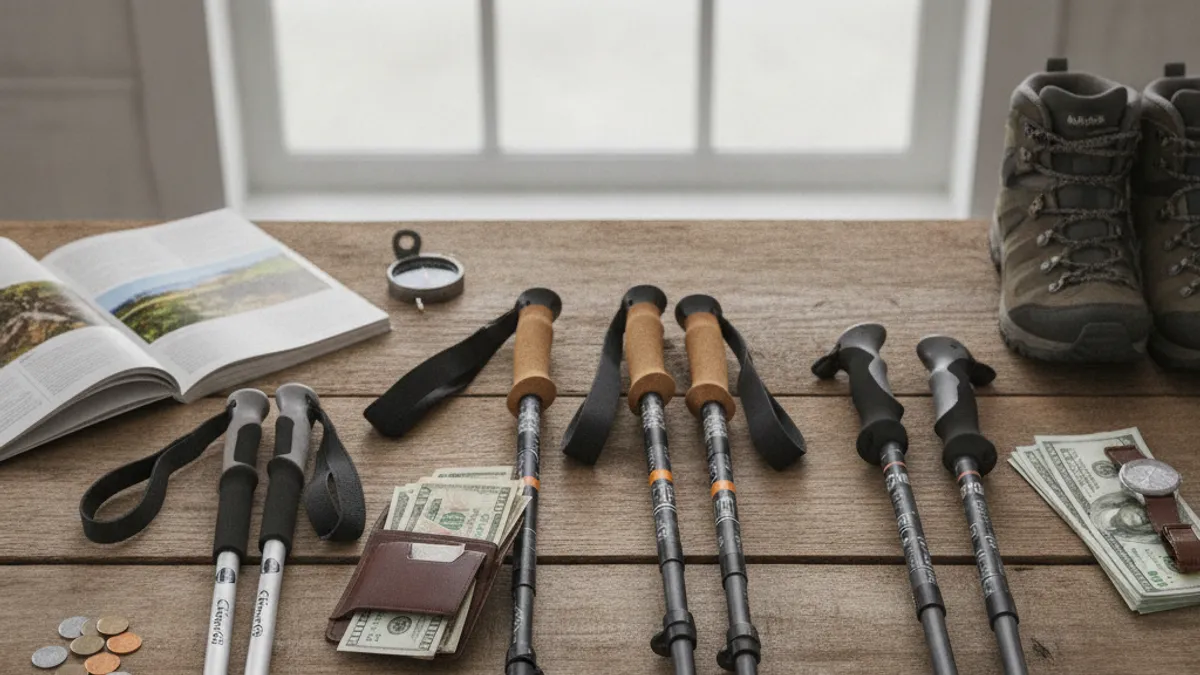
The price of hiking poles can range quite a bit, depending on the materials, features, and brand. This cost variation often reflects the durability and performance you can expect.
Generally, you’ll find entry-level aluminum poles starting in the $25-$50 range. These are perfectly functional for occasional use and offer basic support. Moving into the $50-$100 bracket, you’ll typically find higher-quality aluminum poles with better locking mechanisms, more comfortable grips, and sometimes lighter overall weights. This is a sweet spot for most regular hikers who want a reliable pair.
For carbon fiber poles, expect prices to start around $75-$100 and go upwards of $150-$200 or more for top-tier models. These higher-end poles often feature advanced locking systems, premium grip materials, and ultralight construction. While the initial investment is higher, many users find the reduced weight and improved comfort justify the cost for frequent or demanding hikes. Keep in mind that as of 2026, robust build quality and reliable adjustability are key indicators of value, regardless of price.
Expert Tips for Smart Pole Selection
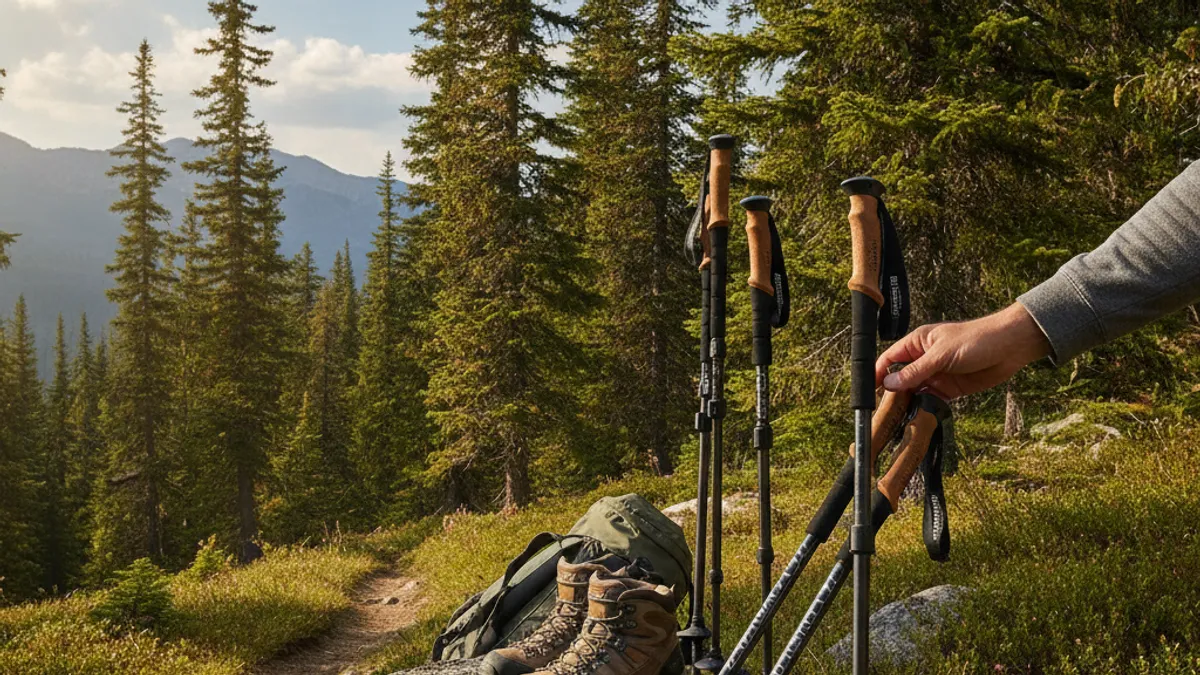
Beyond understanding the basic features, there are a few insider tips that can help you make your best choice. These are the things seasoned hikers often consider.
First, think about how you pack your gear. If you travel frequently or have a smaller backpack, collapsible poles that pack down small are invaluable. Look for models that can be divided into three or even four sections. Secondly, consider the climate you hike in most often.
If you hike in very wet or muddy conditions, a grip material that handles moisture well, like cork, will be a significant comfort advantage. For those who hike in cold weather, ensuring the lever locks are easy to operate with gloves on is essential.
It’s also worth paying attention to the swing weight, which is the perceived weight of the pole as you move it. Lighter poles generally have a lower swing weight, making them feel less tiring to use over long distances. Finally, don’t underestimate the value of a good warranty. Reputable brands often stand behind their products, and a good warranty can be a lifesaver if a locking mechanism or a pole shaft fails unexpectedly after some mileage.
Your Final Verdict: Making the Best Choice
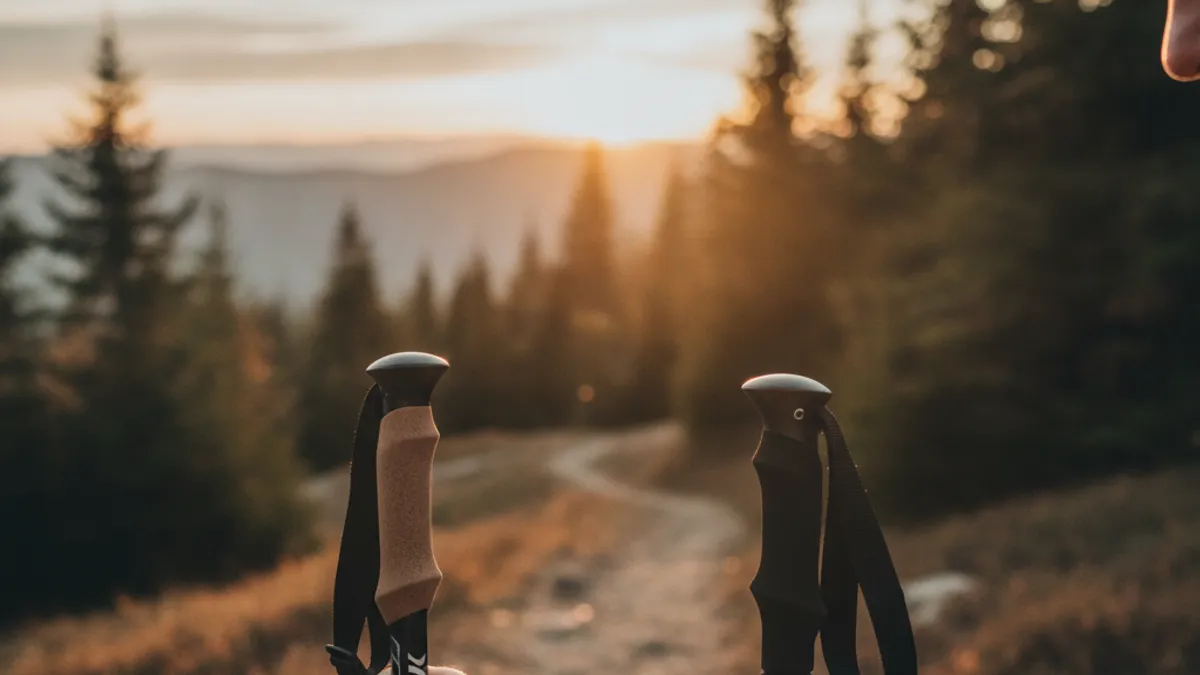
Deciding on the right hiking poles boils down to matching specific features to your individual hiking habits and priorities. There isn’t a single “best” pole for everyone, but there is certainly a best pole for you.
If you’re a casual hiker who hits the trails a few times a month, a solid pair of aluminum poles with reliable lever locks and comfortable foam or cork grips will likely serve you very well. They offer a great balance of durability, performance, and affordability. For those who are serious about backpacking, thru-hiking, or regularly tackle challenging terrain where every ounce counts, investing in lightweight carbon fiber poles with secure locking mechanisms is often a worthwhile upgrade.
Ultimately, the most important factors are adjustability for proper fit, secure locking mechanisms for safety, and comfortable grips for all-day use. By considering the materials, features, and how you’ll use them, you can confidently select a pair of hiking poles that will enhance your time on the trail for years to come.

2 thoughts on “How to Choose Hiking Poles 2026”