
Figuring out what to pack can feel like a puzzle when you’re planning a hike. But asking “what do you need for hiking” is the first step to making sure your adventure is safe and enjoyable. It’s less about having the most gear and more about having the right gear for the conditions you’ll face.
Let’s break down what truly matters for your trek, from a quick sunrise stroll to a challenging multi-day expedition. Our research shows that having the correct setup can dramatically enhance your experience, turning potential problems into simple solutions. For instance, manufacturer specifications for hydration reservoirs often recommend carrying at least 2 liters of water per person for a day hike, and we’ll explore why this is a critical starting point.
Your Hike’s Big Picture: What to Consider First
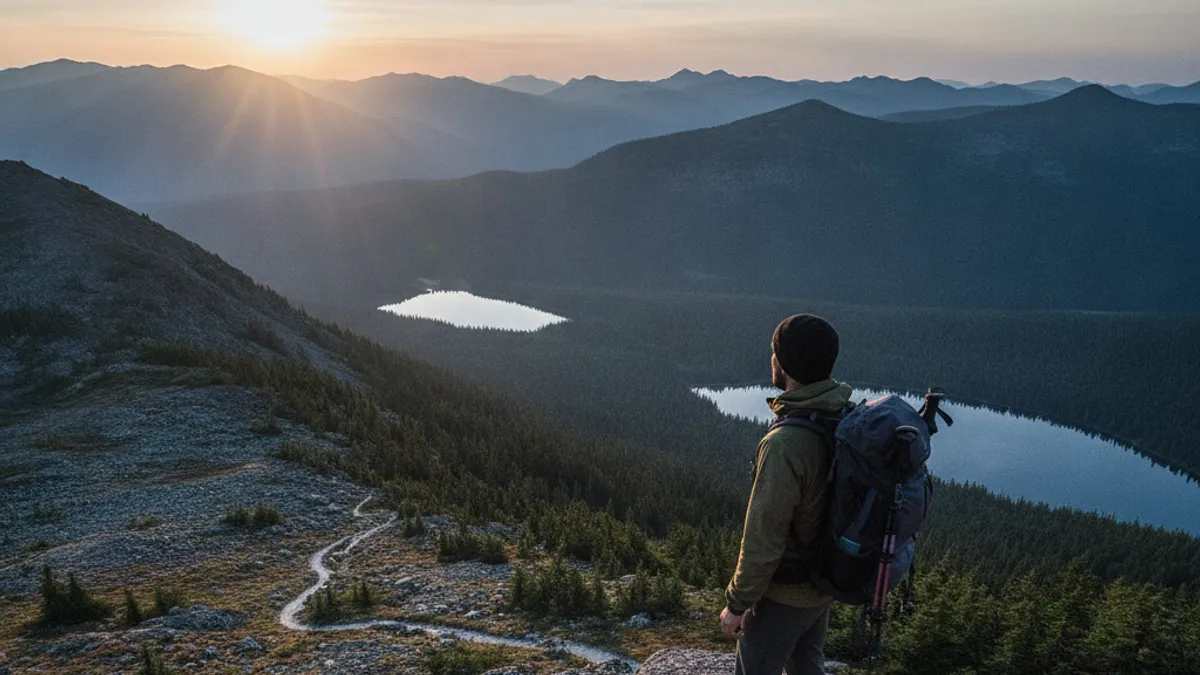
Before we even talk about specific items, let’s get a clearer picture of the hike itself. This isn’t about packing for every possible scenario; it’s about packing intelligently for your specific adventure. Think of this as the foundation for your gear checklist.
How Long Is Your Hike?
The duration of your hike is perhaps the most direct influence on your gear requirements. A short, 2-hour jaunt on a well-maintained local trail demands far less than a full-day ascent or an overnight backpacking trip. For a quick outing, your primary focus will be on immediate essentials like water, a couple of energy-boosting snacks, and comfortable, broken-in footwear.
As your hike extends into the 6-8 hour range or beyond, the need for sustained energy and extended safety measures becomes paramount. This means packing more substantial food and water supplies, and bringing items like a headlamp in case daylight becomes a factor. For any excursion that requires camping overnight, the gear list expands dramatically to include shelter, sleeping systems, and potentially more sophisticated food preparation. Our research indicates that for hikes exceeding five hours, carrying a minimum of 2 liters of water per person is a crucial safety measure, underscoring the importance of planning for duration.
What’s the Weather Like?
Weather is your hike’s unpredictable variable, and it fundamentally influences your clothing and gear decisions. Even on seemingly clear days, conditions can change rapidly, particularly at higher elevations or in mountainous terrain. Therefore, checking the forecast right before you leave is essential, but so is preparing for common localized variations.
In a predicted heatwave, prioritizing extra water and wearing loose, light-colored, breathable clothing becomes vital for preventing heatstroke. Conversely, for chilly or damp conditions, waterproof and windproof outer layers, combined with insulating mid-layers, are critical to ward off hypothermia. Understanding the potential for rapid weather shifts is key; for example, manufacturer specifications for high-quality waterproof jackets often cite a hydrostatic head rating, with values exceeding 10,000 millimeters generally indicating excellent protection against rain for hiking activities.
What Kind of Trail Will You Be On?
The terrain itself is a major determinant of your footwear needs and potentially whether you’ll benefit from support aids like trekking poles. A smooth, paved path presents entirely different challenges compared to a trail laden with rocks, roots, or mud. Your footwear choice must harmonize with the environment to ensure adequate grip, stable footing, and overall comfort, thereby minimizing the risks of slips, stumbles, and foot fatigue.
For straightforward, well-maintained trails, a comfortable pair of sturdy sneakers might be sufficient. However, for more rugged and uneven ground, hiking shoes that offer deeper tread patterns and enhanced ankle support are highly recommended. If your planned route involves significant elevation changes or notably loose ground, trekking poles can provide invaluable stability and help reduce the impact on your knees during descents. Our analysis of trail types consistently shows that steep, loose, or muddy sections significantly elevate the risk of falls without appropriate footwear or the balance offered by poles.
The Absolute Essentials: Your Non-Negotiable Hike Kit
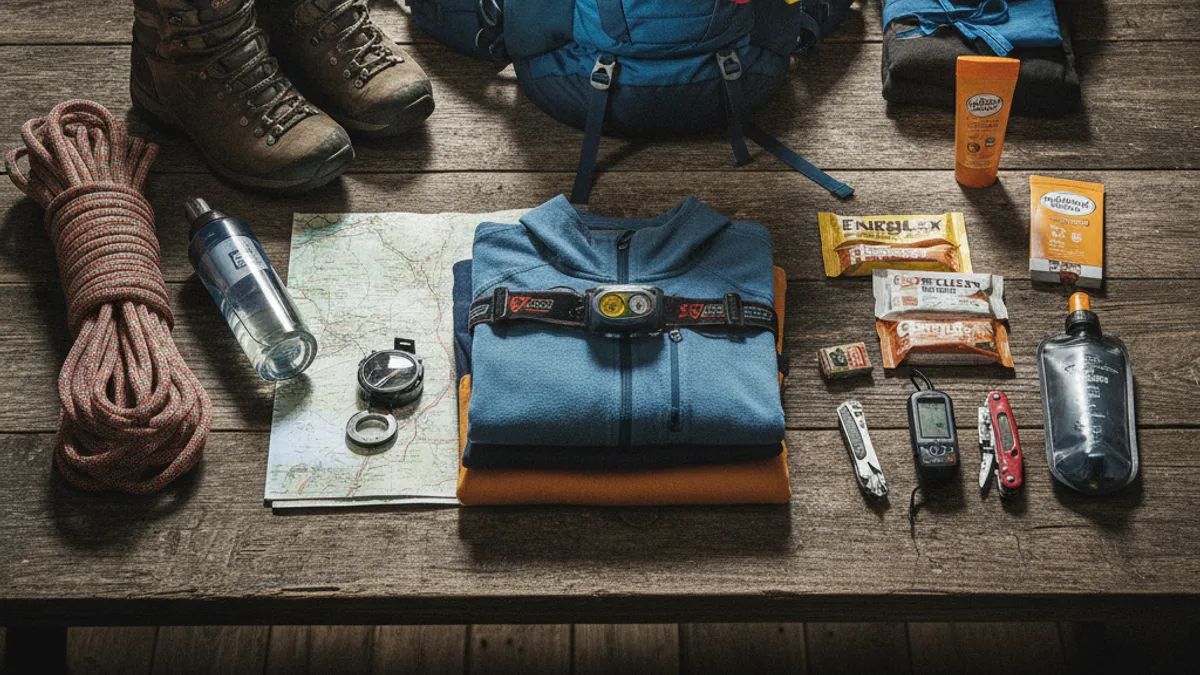
These are the items that form the bedrock of any successful hike, regardless of length or difficulty. Skipping any of these can quickly turn a pleasant outing into a challenging situation. Think of them as your baseline safety net.
Hydration: More Than Just Water
Proper hydration is critical for performance and safety on the trail. Dehydration can lead to fatigue, headaches, and impaired judgment, making even simple tasks difficult. It’s not just about carrying water; it’s about carrying enough water for the duration and intensity of your hike.
- What to Carry: At a minimum, plan for 2 liters of water per person for a moderate day hike as recommended by many outdoor safety organizations. For longer or more strenuous outings, increase this amount, especially in hot weather.
- Carrying Options:
- Reusable Water Bottles: Durable and endlessly refillable. Nalgene bottles are a popular choice, known for their chemical resistance and toughness.
- Hydration Reservoirs: These sit inside your backpack with a hose for easy sipping on the go. They make it incredibly convenient to drink frequently without stopping, which can help maintain a consistent hydration level. Manufacturer specifications often state capacities ranging from 1 to 3 liters. Keep in mind these require regular cleaning.
Fueling Up: Smart Snacks for the Trail
Your body needs energy to tackle inclines, uneven terrain, and sustained effort. Snacks aren’t just about appeasing hunger; they are vital for maintaining energy levels and preventing a “bonk”, a sudden, severe drop in energy. Our research into hiking sustenance highlights the need for a balance of carbohydrates for quick energy and some protein for sustained release. Use “Hiking Meal Prep Ideas” for inspiration.
-
What to Pack: Aim for a mix of quick-energy boosters and longer-lasting fuel.
- High-Carb, Quick Energy: Dried fruit, energy gels, or simple candies can provide an immediate lift.
- Sustained Release: Trail mix, nuts, seeds, and jerky offer more lasting energy.
- Balanced Options: Many commercially available “Best Energy Bars for Hiking” offer a good blend of carbs, fats, and protein.
-
How Much: For a day hike, packing about 200-300 calories per hour of hiking is a general guideline. Use a “Hiking Calorie Calculator” for a more personalized estimate. For longer trips, carrying extra food is a safety imperative.
Footwear: Your Foundation on the Path
The right footwear is arguably the most critical piece of gear. Your feet are your primary connection to the trail, and inadequate shoes can quickly lead to blisters, pain, and even injuries that can end your hike prematurely. Footwear choice depends heavily on the terrain and duration. See “How To Choose Hiking Boots” for more details.
-
Type of Footwear:
- Trail Runners: These are lightweight, flexible, and often offer great breathability and good traction for moderate trails. They are a popular choice for day hikes and fast packing. Consider “Trail Runners Vs Hiking Boots” for comparison.
- Hiking Shoes: Similar to trail runners but typically offer more support and durability, with stiffer soles and better underfoot protection. They are excellent for varied terrain.
- Hiking Boots: These provide the most ankle support and protection, making them ideal for challenging, rocky, or off-trail conditions, as well as for carrying heavier loads. For more on this, see our guide on “Best Hiking Boots For Beginners“.
-
Key Features: Look for good traction (deep lugs on the sole), adequate cushioning, and a comfortable fit. Always wear your hiking socks when trying on shoes to gauge the fit accurately.
Dressing Smart: The Power of Layers
The concept of layering your clothing is fundamental for managing body temperature and staying comfortable in changing conditions. Instead of relying on one heavy garment, you combine multiple thinner layers that can be added or removed as needed. This approach allows you to adapt to activity levels and environmental shifts, preventing overheating or chilling.
-
The Three-Layer System:
- Base Layer: This layer sits next to your skin and its primary job is to wick moisture (sweat) away. Materials like merino wool or synthetic fabrics (polyester, polypropylene) excel here. Avoid cotton, as it absorbs moisture and stays wet, leading to chilling.
- Mid Layer: This layer provides insulation. Think fleece jackets, down vests, or synthetic puffy jackets. It traps body heat to keep you warm. The thickness of your mid-layer will vary greatly depending on the ambient temperature.
- Outer Layer: This is your shield against the elements. A waterproof and windproof jacket (like a hardshell) protects you from rain and wind, while a softshell jacket offers more breathability and water resistance for less severe conditions.
-
Why It Works: By adjusting these layers, you can prevent yourself from getting too hot and sweaty during exertion, which can then lead to getting cold when you stop. This adaptability is crucial for long-term comfort and preventing hypothermia. For beginners, understanding “What to Wear Hiking For Beginners” is a great starting point.
Staying Found: Navigation Basics in the Wild
Even on seemingly straightforward trails, having a reliable way to navigate can be a lifesaver. Relying solely on your phone’s GPS can be risky due to battery drain or signal loss. Knowing how to orient yourself with basic tools can prevent you from getting lost, especially if you deviate from the marked path or encounter unexpected detours.
-
Essential Navigation Tools:
- Map: A physical map of the area is crucial. Learn to read its symbols, contour lines, and scale. Many wilderness areas have detailed topographic maps available.
- Compass: Absolutely essential when used in conjunction with a map. A baseplate compass with a declination adjustment is recommended. Practice using it beforehand!
- GPS Device or Smartphone App: These can be excellent primary or secondary navigation tools. However, always download offline maps before you leave signal range and carry a portable power bank to recharge your device.
-
When to Use: Use your navigation tools proactively, not just when you think you might be lost. Check your position on the map periodically, especially at trail junctions or when the terrain changes significantly. This builds confidence and prevents small navigational errors from becoming big problems.
Sun Protection: Shielding Yourself from the Elements
The sun’s rays can pose a significant risk, even on cloudy days or during cooler months. Sunburns are not only uncomfortable but can also lead to long-term skin damage. Higher altitudes typically mean thinner atmosphere, allowing for more intense UV radiation.
- Key Protective Items:
- Sunscreen: Choose a broad-spectrum sunscreen with an SPF of 30 or higher. Apply it generously to all exposed skin about 15-30 minutes before heading out. Reapply every two hours, or more often if sweating heavily or swimming.
- Hat: A wide-brimmed hat offers excellent protection for your face, neck, and ears. Baseball caps are better than nothing but leave your neck exposed.
- Sunglasses: Protect your eyes from harmful UV rays, which can cause serious damage over time. Polarized lenses can also reduce glare, making it easier to see on the trail.
Basic Safety: Your Mini First-Aid Essentials
A basic first-aid kit is essential for treating minor injuries that can occur on any hike. Blisters, cuts, scrapes, and insect bites are common. Being prepared to handle these issues can prevent them from escalating into more serious problems or derailing your hike.
- What to Include:
- Bandages: Assorted sizes for cuts and scrapes.
- Antiseptic Wipes: For cleaning wounds to prevent infection.
- Pain Relievers: Ibuprofen or acetaminophen for headaches, muscle aches, or minor pain.
- Blister Treatment: Moleskin or specialized blister bandages.
- Personal Medications: Any prescription medications you need.
- Tweezers: For removing splinters or debris.
This kit doesn’t need to be elaborate for a day hike, but it should be comprehensive enough to address common trailside issues. For more extensive first-aid needs, consider taking a wilderness first-aid course.
