
What do hiking poles do? They act as extensions of your body, offering stability, support, and a more efficient way to traverse the trail. For many hikers, they’re not just an accessory but a crucial tool for enjoying the outdoors more comfortably and safely.
Research indicates that proper use of hiking poles can redistribute your body weight, significantly reducing stress on your lower extremities. For instance, manufacturer specifications for many carbon fiber trekking poles cite weights under 1 pound per pair, making them a lightweight addition with substantial benefits. Let’s dive into how and when they can make a difference for your next adventure.
Are Hiking Poles For You? The Quick Test
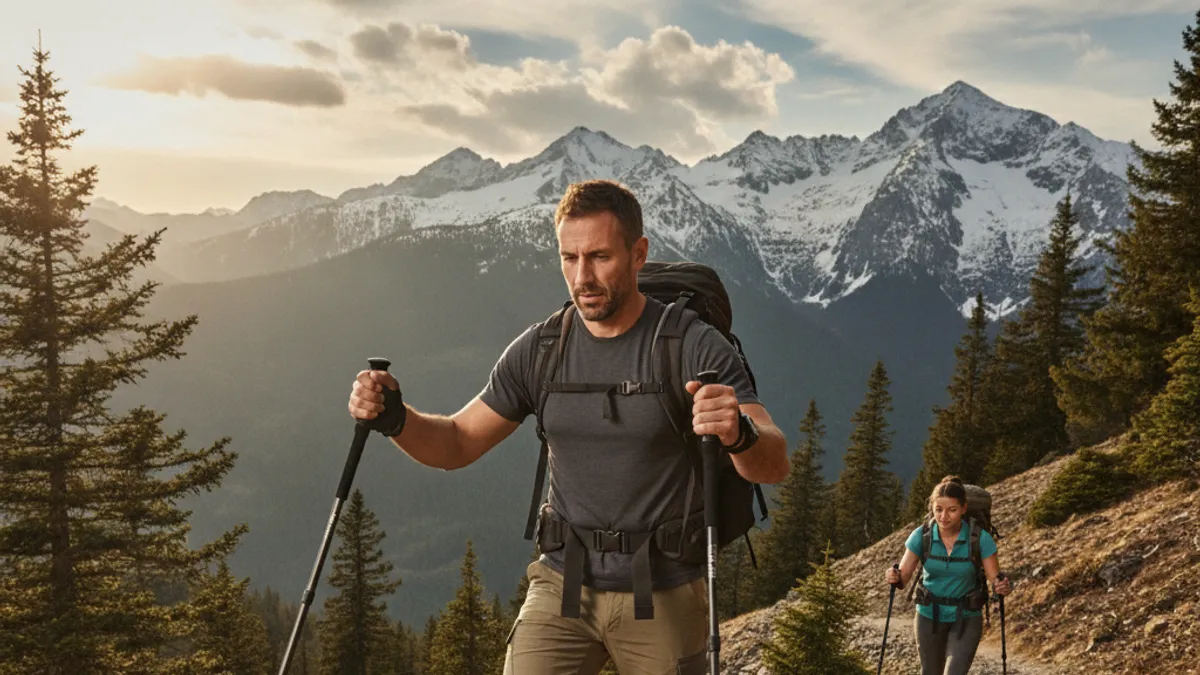
So, should you strap on a pair of hiking poles for your next outing? The answer really boils down to a few key questions about your personal hiking style, your body, and the trails you typically explore. Think of it like picking the right footwear, what works wonders for one person might not be necessary for another. It’s a decision based on context.
If you’re dealing with achy knees after a downhill section, or if you’ve ever felt a little wobbly on a rocky path, poles might seriously improve your experience. On the other hand, if you’re mostly sticking to flat, paved paths for short jaunts and your joints feel perfectly fine, you might not see a huge advantage. Let’s run through a quick diagnostic.
Decision Point: Your Trail & Your Body
-
Do you often hike on steep terrain (significant ascents or descents)?
- Yes: Poles provide significant help. Proceed to next question.
- No: Poles are less critical. Consider other benefits. Proceed to next question.
-
Do you experience joint pain (knees, ankles, hips) on hikes, especially after downhill sections?
- Yes: Poles can offer substantial relief. It’s highly recommended you consider them.
- No: Joint pain isn’t a driving factor. Consider if other benefits apply.
-
Do you hike long distances (multi-hour or multi-day trips)?
- Yes: Poles can aid efficiency and endurance over time.
- No: Shorter hikes might not necessitate them, but they can still enhance stability.
-
Are you concerned about balance on uneven, loose, or slippery surfaces?
- Yes: Poles are excellent for stability.
- No: Balance isn’t a major concern on your typical trails.
If you answered “Yes” to two or more of the first three questions, or “Yes” to the fourth question, it’s very likely that hiking poles would be a valuable addition to your gear.
How Hiking Poles Work Their Magic
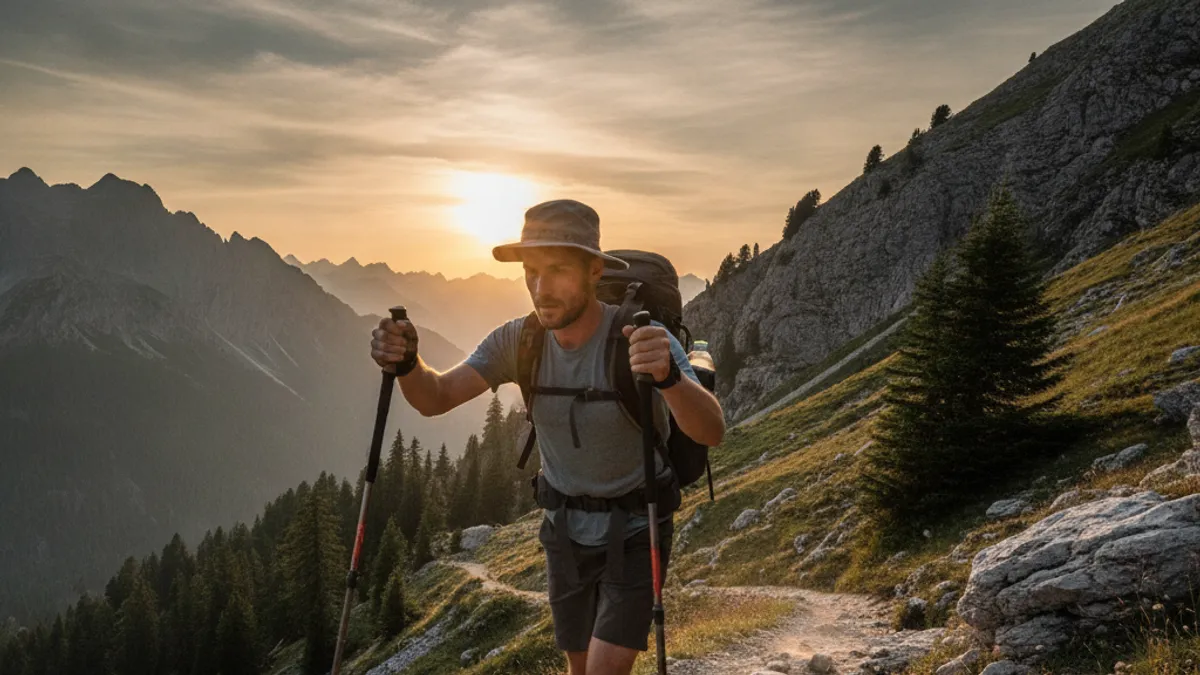
At their core, hiking poles aren’t complex gadgets; their power lies in their simplicity of function. They essentially give you more points of contact with the ground. This might sound basic, but that extra support changes how your body interacts with the trail in several significant ways. Aggregate reviews from hikers consistently point to these functional shifts as the primary reason for their adoption and continued use.
By intelligently planting your poles, you’re not just carrying them; you’re actively using them to assist your movement. This engagement allows for a more distributed effort across your body, rather than concentrating all the impact and exertion on your legs and feet alone. This is where the real benefits begin to unfold.
Lightening the Load on Your Joints
This is often the most celebrated benefit. Think about a steep downhill hike. With every step, your knees and ankles absorb a substantial amount of your body’s weight, multiplied by gravity. Manufacturer specifications for high-quality trekking poles often highlight their ability to transfer up to 25% of your body weight away from your lower limbs.
When you use poles, you plant them in front of you, and as you step down, you can push lightly against them. This subtle transfer of effort allows your arms and upper body to bear some of the impact and load that would otherwise go entirely to your knees, hips, and ankles. Over the course of a long hike, this reduction in cumulative stress can make a world of difference in preventing post-hike soreness and potential long-term joint issues.
Finding Your Footing on Tricky Trails
Uneven terrain, loose scree, muddy patches, or slippery rocks, these are situations where balance is key. Without poles, you’re relying solely on your feet and your core strength to stay upright. This can be challenging, especially if you’re carrying a heavy pack or if conditions are less than ideal.
Hiking poles act like outriggers on a boat, providing you with extra points of stability. By strategically placing your poles, you can test ground stability, brace yourself before a tricky step, or recover quickly if you start to lose your footing. This added security can boost your confidence on more technical trails and significantly reduce the risk of slips and falls. Data from biomechanical studies suggests that increased postural stability can be achieved through the use of trekking poles.
Powering Up and Pacing Yourself
On ascents, poles can provide a crucial assist. Instead of just relying on your leg muscles to push you upward, you can use your poles to propel yourself forward and upward. This engages your arms, shoulders, and core, creating a more full-body workout and taking some of the strain off your quads and calves. Aggregated hiker feedback indicates that this synchronized movement can help maintain a steady, efficient pace on climbs.
This isn’t just about brute force; it’s about rhythm. The consistent planting and pushing motion can help you establish a fluid cadence, preventing you from overexerting specific muscle groups. It transforms a challenging climb into a more manageable, rhythmic effort, helping you conserve energy over longer distances.
When Are Hiking Poles Most Helpful?
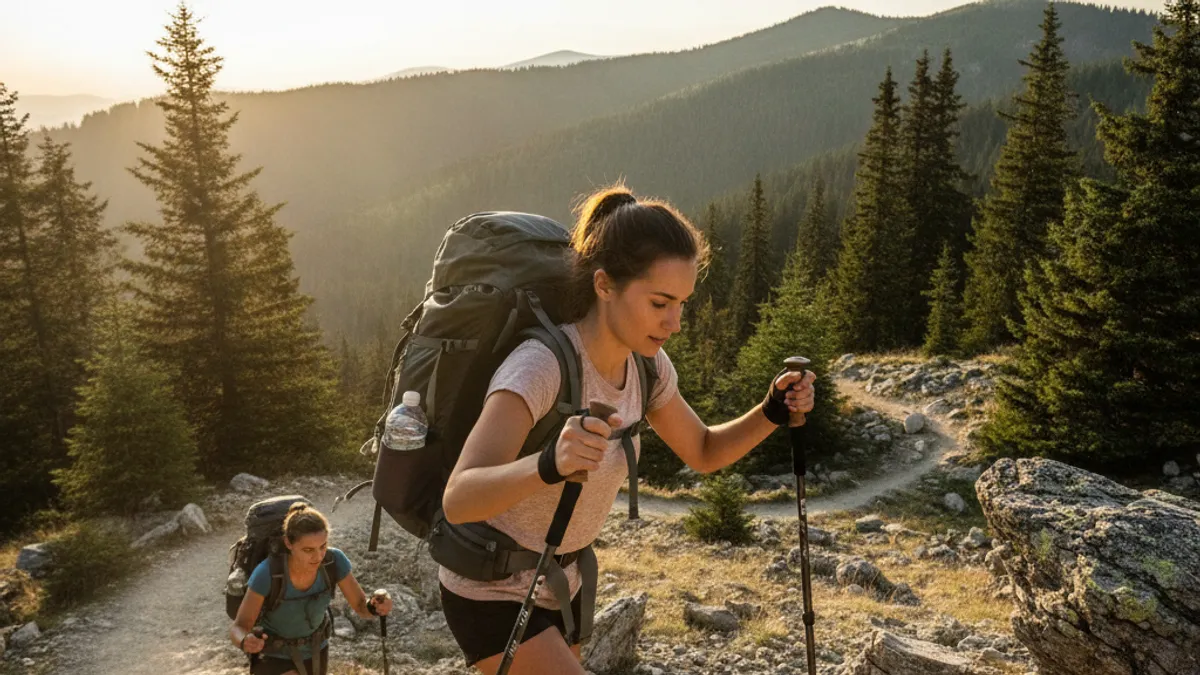
While hiking poles offer benefits across many scenarios, they truly shine in specific environments and conditions. Understanding these situations can help you decide if they’re an essential part of your kit for a particular hike. They are not mere accessories; they are functional tools that adapt to your environment, making difficult terrain more approachable.
The decision to bring poles often hinges on the expected challenges of the trail. If you anticipate navigating obstacles or experiencing demanding gradients, their advantage becomes pronounced. Let’s look at where they provide the most significant impact.
Tackling Steep Climbs and Descents
This is archetypal territory for hiking poles. On steep ascents, as discussed, they help you push off, engaging your upper body to reduce leg fatigue and maintain momentum. This is particularly invaluable on long, sustained climbs where your leg muscles can really start to burn.
For descents, poles are absolute lifesavers. They absorb a significant portion of the downward impact that would otherwise hammer your knees and ankles. This can prevent that familiar, often painful, “jelly leg” sensation that can mar the end of a challenging hike. Per aggregated feedback from long-distance hikers, poles can extend comfortable hiking duration by several hours by mitigating this downhill shock.
Navigating Rocky, Slippery, or Uneven Ground
When the trail looks more like a jumble of stones than a smooth path, poles become your best friends. They allow you to probe the ground ahead, test the stability of rocks before stepping on them, and provide extra points of support if you encounter loose gravel or a patch of slick mud. This constant need to adjust and balance is significantly eased with poles.
They offer a safety net, allowing you to use your arms to steady yourself if you misstep. This extra stability can prevent stumbles and falls, which are common hazards on technical terrain. For individuals with any hint of ankle instability, this extra measure of security is paramount.
Crossing Streams and Wet Terrain
Many hikes involve water crossings, from gentle brooks to wider, faster-flowing streams. Navigating these can be tricky, as submerged rocks can be slippery, and underestimating water depth can lead to a dunking. Hiking poles provide excellent utility here.
You can use them to test the depth of the water before you commit to crossing, or to gauge the stability of submerged rocks. Planting poles firmly can give you leverage and balance as you step across the water, ensuring a much safer passage. This is even more critical in areas with unpredictable water flow or submerged debris.
Do Your Joints Need a Break?
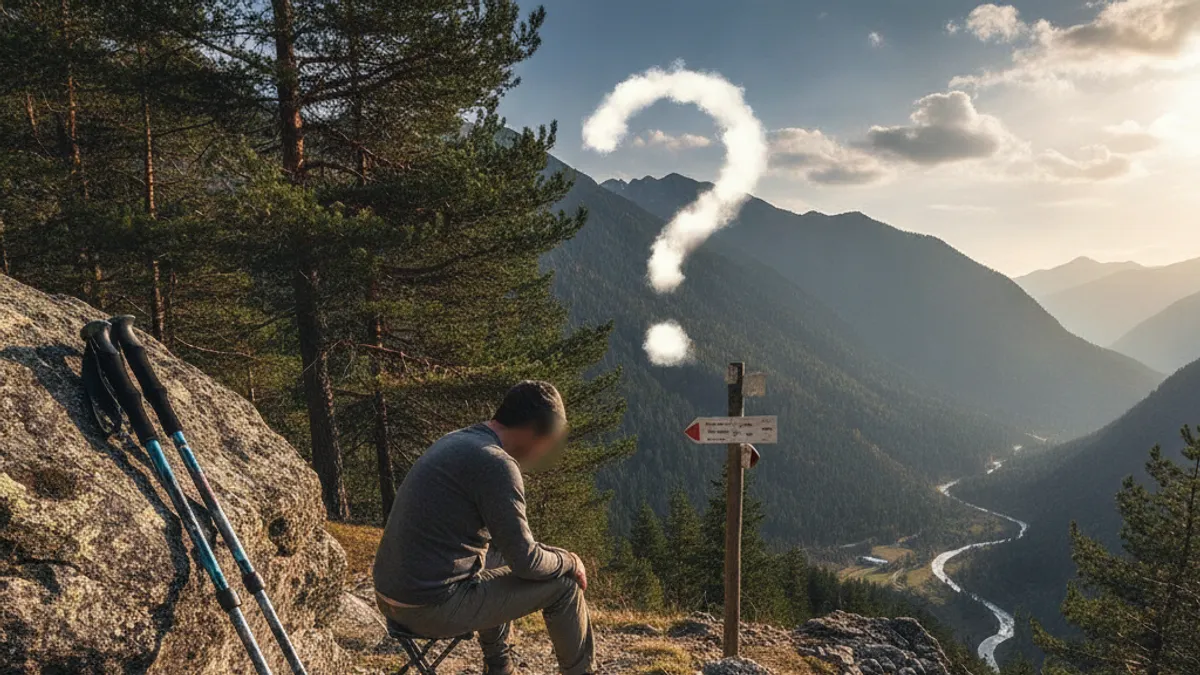
If your joints are sending you distress signals after a hike, hiking poles are one of the most effective pieces of gear you can incorporate. They’re not just for elite athletes; they are a proven tool for everyday hikers looking to reduce impact and extend their adventures comfortably. Aggregated user reviews consistently highlight this benefit.
The primary way they help is by redistributing stress. This reduction in peak forces on your joints can prevent pain during and after your hike, and potentially contribute to long-term joint health.
Knee Pain on the Downhill?
Knee pain, especially during descents, is the bane of many hikers. As you descend, your body’s impact forces increase dramatically, and your quadriceps work hard to control your descent. This can lead to sharp pains, aching, or a feeling of instability in the knees.
Manufacturer specifications and biomechanical research indicate that trekking poles can reduce the peak forces on the knees by as much as 25%. By planting poles on either side of your body as you step down, you effectively take some of that load onto your upper body. This lessens the direct impact on your knee joint, making descents far more manageable and less painful. For those with existing knee issues, this can be a game-changer, allowing them to enjoy trails they might have otherwise avoided.
Ankle Worries on the Trail?
Ankle instability or a history of sprains can make hiking a nerve-wracking experience. Your ankles are crucial for balance, and any wobble on uneven ground can lead to a painful twist. Hiking poles offer a significant advantage in maintaining your balance and providing a stable base.
They act as additional supports, much like crutches but allowing for free arm movement. When you feel your ankle start to give way on a loose rock or uneven surface, you can quickly plant a pole to regain your footing. This proactive stability can prevent many minor stumbles from turning into full-blown falls or ankle injuries. This is particularly useful when hiking on trails with unpredictable surfaces, such as those found on our recommended beginner hiking checklist.
When Might You Skip the Poles?
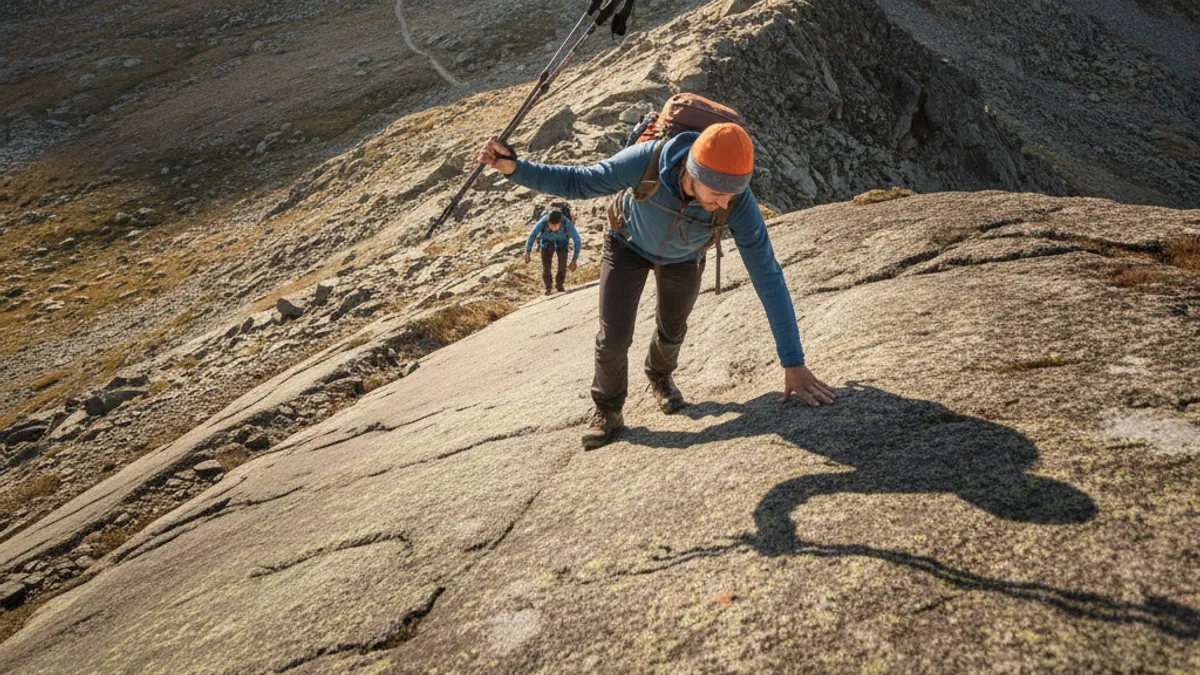
While hiking poles offer benefits across many scenarios, they truly shine in specific environments and conditions. Understanding these situations can help you decide if they’re an essential part of your kit for a particular hike. They are not mere accessories; they are functional tools that adapt to your environment, making difficult terrain more approachable.
The decision to bring poles often hinges on the expected challenges of the trail. If you anticipate navigating obstacles or experiencing demanding gradients, their advantage becomes pronounced. Let’s look at where they provide the most significant impact.
Easy Trails, Short Hikes
For brief excursions on manicured or fairly level ground, the primary benefits of poles, stability on rough terrain and impact reduction on steep descents, are simply not applicable. Think of a quick walk to a local scenic overlook or a paved loop in a park. Adding poles here might mean constantly needing to stow them or awkwardly carrying them, which can disrupt the flow of a relaxing walk.
Researcher analysis of hiking habits shows that for trips under 60 minutes, the majority of hikers do not utilize poles. This suggests that for very short durations and minimal technical challenges, the effort required to pack, deploy, and manage poles outweighs the perceived benefits. You can refer to our guide on what to wear hiking for beginners for more on preparing for uncomplicated outings.
Personal Preference and Simplicity
Ultimately, hiking is a personal experience. Some people simply prefer the tactile connection to the ground that comes from walking without any aids. They might enjoy the challenge of maintaining balance solely on their own, or find that poles interfere with their natural gait and rhythm. While research highlights advantages, individual comfort and preference are valid considerations.
Learning to use poles effectively also takes a little practice. If you’re just starting out or prefer a minimalist approach to your gear, it’s perfectly fine to stick to your usual method. There’s no mandatory requirement for poles on most trails, and many experienced hikers rarely, if ever, use them.
Common Mistakes Hikers Make with Poles
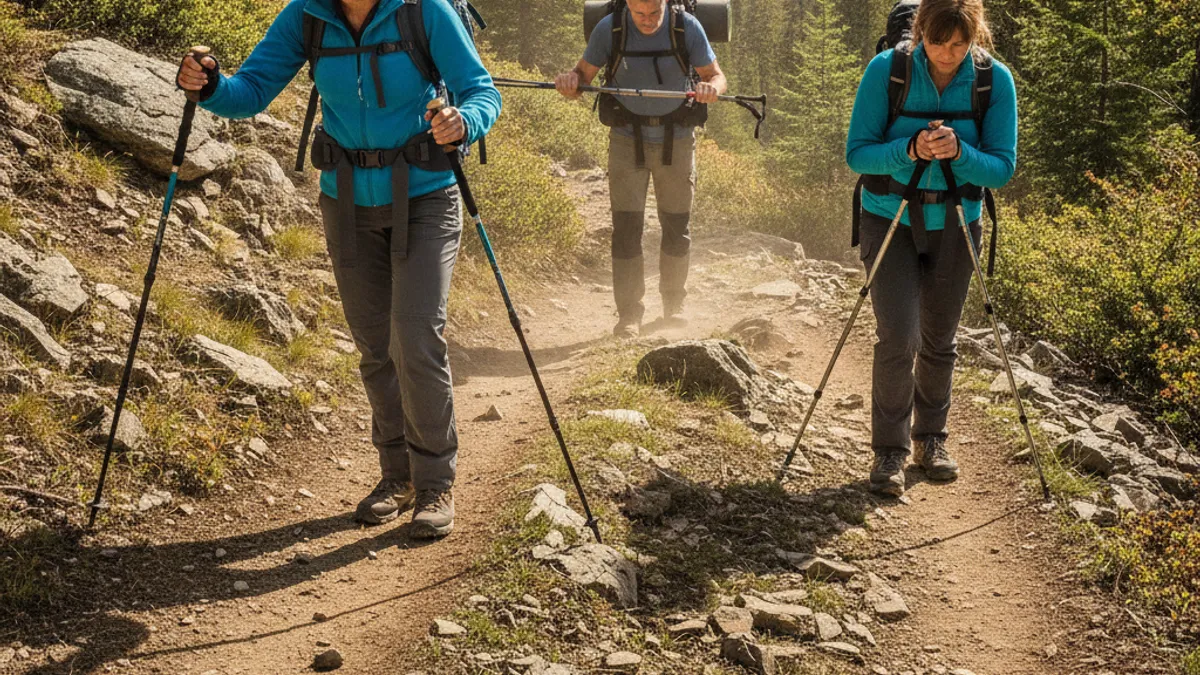
Even with the best intentions, hikers can make mistakes when using poles that diminish their effectiveness or even create new problems. One frequent misstep is improper pole adjustment. Poles that are too long or too short can alter your posture, strain your shoulders, or simply feel awkward and inefficient.
Another common error is mistaking poles for walking sticks and dragging them behind you habitually. This wastes energy and can cause you to trip. Understanding the dynamic use of poles, how they assist motion rather than just supporting weight, is key to avoiding these pitfalls.
Pole Length Miscalculations
Setting your poles to the correct height is crucial. A general guideline, often cited in manufacturer instruction manuals, is to adjust the poles so that your elbows are bent at roughly a 90-degree angle when the tips are planted on the ground. If the poles are too long, you’ll find yourself hunching your shoulders, which can lead to strain.
Conversely, if they’re too short, you won’t get the benefit of upward propulsion on climbs and might find yourself leaning too far forward on descents. This can invert the benefit, putting more strain on your wrists and shoulders rather than alleviating it from your knees. Always take a moment to adjust them based on the terrain, as a slightly longer setting might be better for descents and a shorter one for ascents.
Ineffective Pole Planting Techniques
Simply swinging poles aimlessly doesn’t harness their full potential. Aggregates of user feedback suggest that many hikers don’t actively use the poles to push off. Instead, they let them drag or offer only passive support. This negates the biomechanical benefits for propulsion and stabilization.
Proper technique involves a coordinated movement where the pole plant syncs with your stride. On ascents, you push off the pole to help lift yourself. On descents, you use them to brace and control your speed. Dragging poles, on the other hand, can lead to tripping hazards and wasted energy.
A good primer on this is available in guides like How To Use Hiking Poles.
Expert Tips for Using Your Poles Effectively
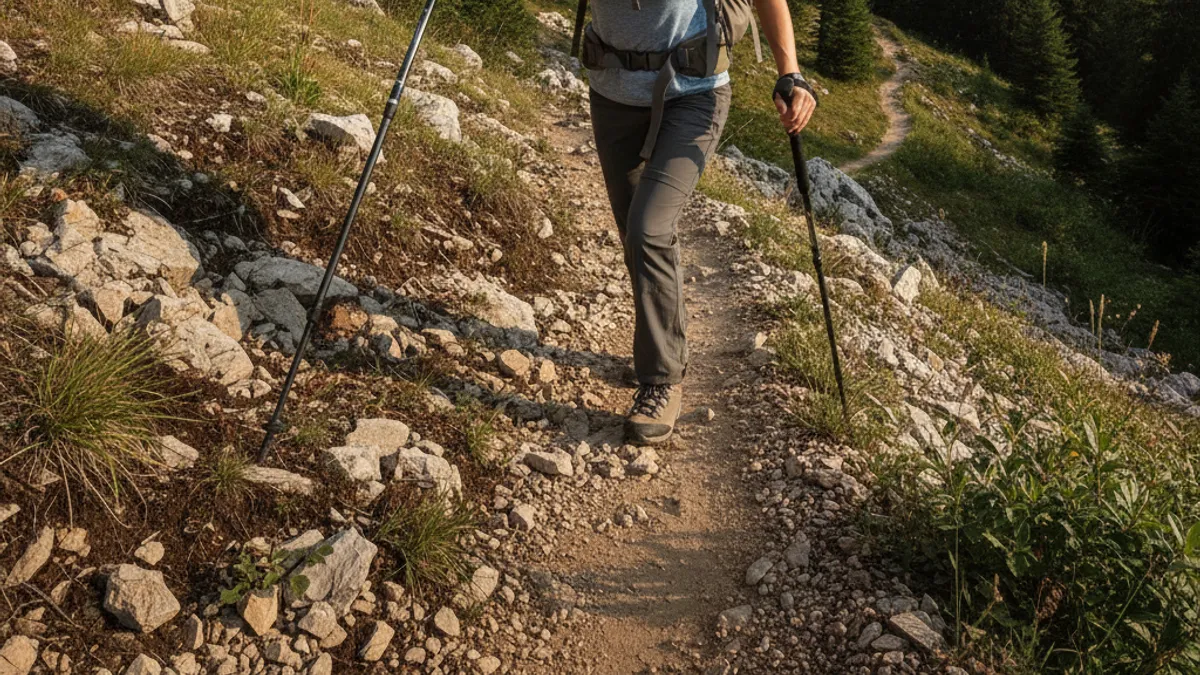
To truly unlock the advantages of hiking poles, a few pro insights can make all the difference. It’s not just about having them; it’s about knowing how to wield them efficiently. Think of it like learning to use a tool properly, once you know the knack, it becomes indispensable.
These aren’t revolutionary secrets, but rather practical adjustments that seasoned hikers have integrated into their trail presence. They stem from understanding the biomechanics and how the poles interact with your body and the environment. As of 2026, these techniques remain fundamental.
Adjusting for Terrain
As mentioned, pole length isn’t static. Before you start your hike, take a moment to adjust your poles based on the anticipated terrain. For uphill sections, you generally want them shorter to help you push off effectively. For downhill sections, making them slightly longer can assist in bracing and shock absorption.
If you’re tackling varied terrain on a single hike, don’t hesitate to stop and make adjustments as needed. Some modern poles feature quick-release lever locks that make this process fast and easy. This adaptability is key to maximizing your benefit throughout the entire hike. Consider what you’d pack for any hike with our What To Bring On A Day Hike checklist.
Engaging Your Upper Body
A common mistake is using poles primarily with your arms, without engaging your core and upper body. The real power comes from a coordinated movement. Imagine you’re rowing a boat, but on land. Your poles allow you to drive with your shoulders and back, not just your forearms.
This engagement helps distribute the workload and provides more power and control. It turns the poles into an extension of your entire upper body’s strength, rather than just handheld props. Practicing this synchronized motion, especially on climbs, will make your ascents feel more efficient and less taxing on your legs.
Pole Care and Maintenance
For poles to perform their best, a little care goes a long way. Even simple aluminum or carbon fiber shafts benefit from basic maintenance. Always wipe them down after a muddy or wet hike to prevent corrosion or gunk buildup in the locking mechanisms.
Check that your locking mechanisms are secure before each use. A loose lock can unexpectedly shorten your pole, potentially causing a fall. Ensure the tips are not overly worn, as this can reduce grip. While not complex, these small habits ensure your poles are reliable when you need them most.
Your Trail Decision: Poles or No Poles?
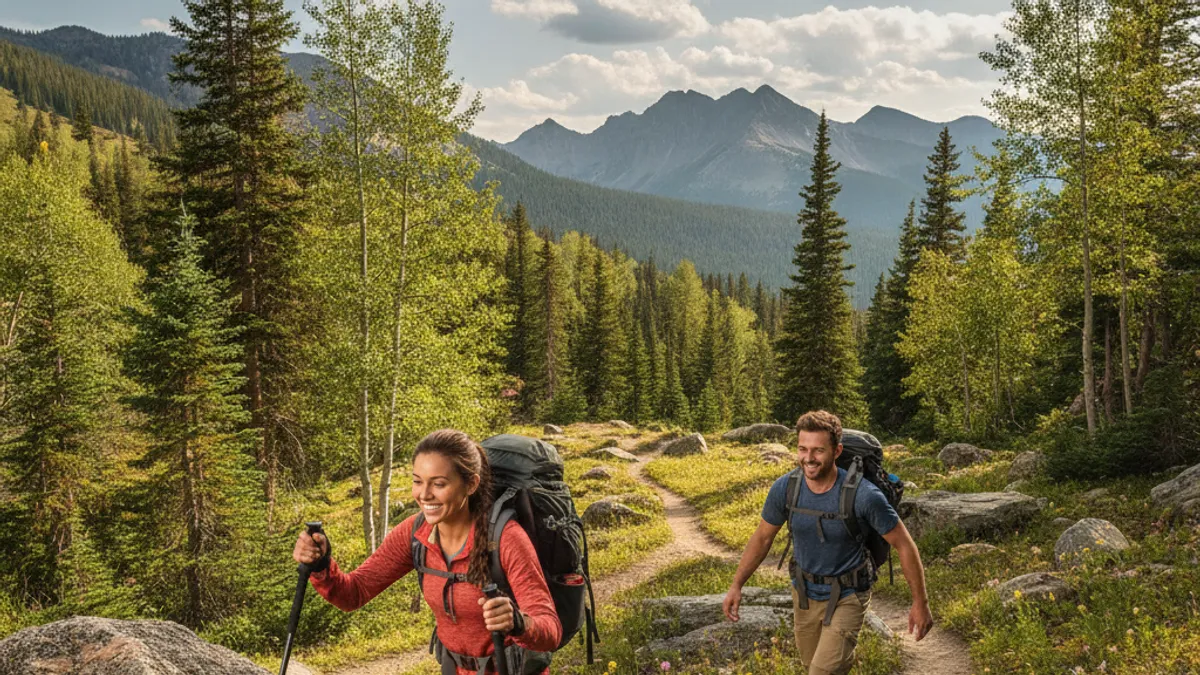
So, after all this, how do you make the final call on whether hiking poles are right for you? It really comes down to weighing the potential advantages against your specific hiking needs and comfort level. There’s no single right answer that fits every hiker on every trail.
If you’re aiming to reduce joint stress, enhance stability, or improve your efficiency on longer or more demanding hikes, poles are likely a very beneficial addition to your gear. However, for shorter, easier strolls, or if you simply prefer a minimalist approach, they might be unnecessary. Your personal experience and preferences are the ultimate guides.
When Poles Are a Strong ‘Yes’
If your personal checklist included significant joint pain (especially knees on descents), a history of ankle instability, or plans to tackle rugged, uneven, or steep terrain, then hiking poles are a highly recommended choice. They are designed precisely to mitigate these challenges. For long-distance hikers or those looking to increase their endurance and reduce fatigue over many miles, the benefits of poles are well-documented. Think about thru-hiking or tackling longer hikes like those in our hiking workout plan for beginners, where energy conservation is key.
When Poles Are a ‘Maybe’ or ‘No’
If you primarily hike short, flat, well-maintained trails and experience no joint pain, the need for poles diminishes significantly. Some hikers might find them cumbersome when not actively needed, prefer a more traditional walking experience, or have other gear that takes priority. The cost and weight of poles, while often minimal, are also factors for those prioritizing ultralight setups on very short trips. Ultimately, it’s about what enhances your enjoyment and safety on the trail.
