
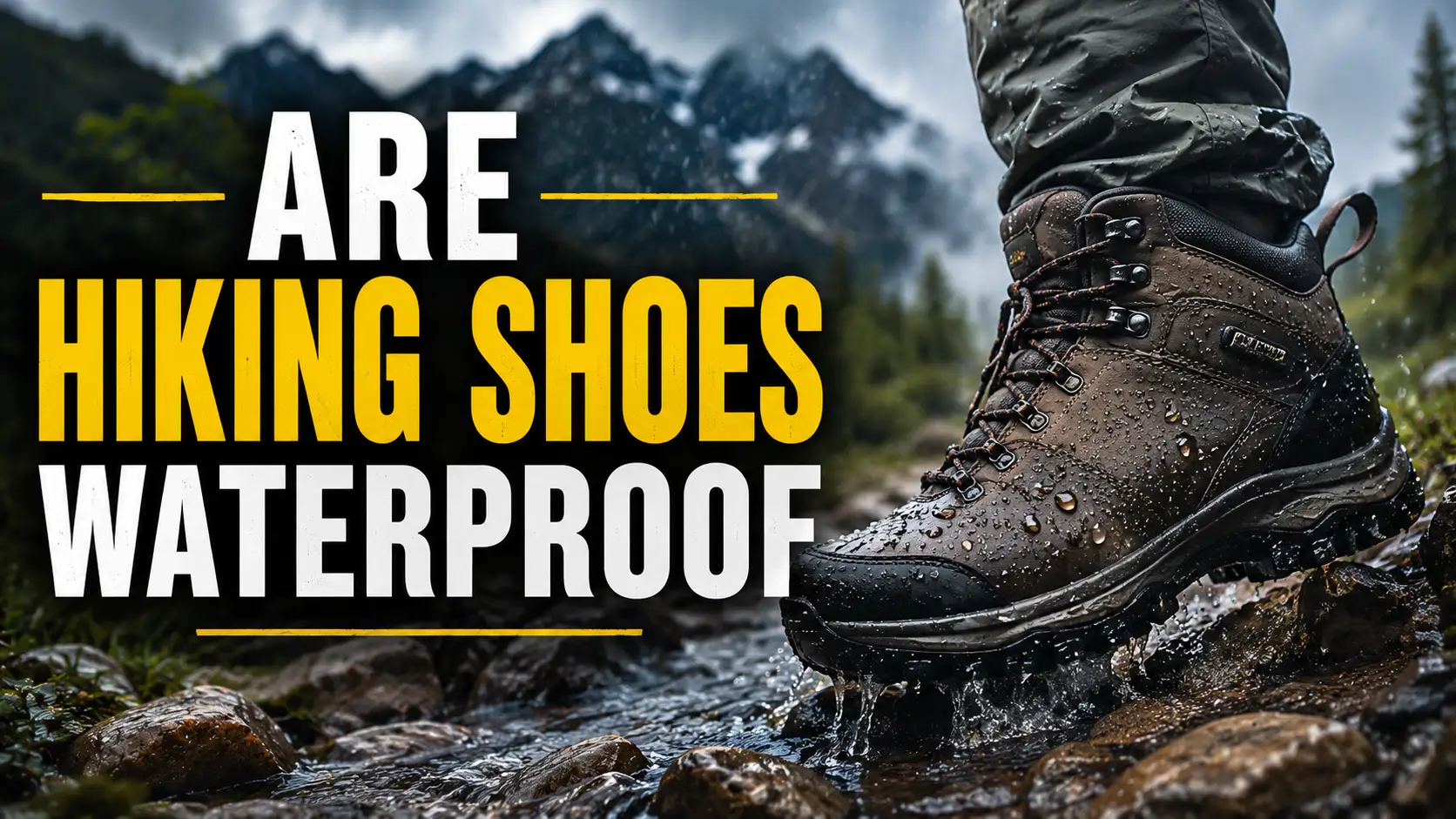
Are hiking shoes waterproof? It’s a question that can mean the difference between a comfortable trek through a damp forest and misery with soaked socks. While many shoes claim to be waterproof, the reality is a bit more nuanced and depends heavily on the technology used and the conditions you’ll face.
Understanding what “waterproof” actually entails for footwear is key. Most companies achieve this with specialized membranes, like Gore-Tex, which are designed to block external water while allowing internal moisture, or sweat, to escape. However, the effectiveness can vary, and as of 2026, even the best systems have limitations.
Waterproof vs. Water-Resistant: What’s the Difference?
This is where a lot of confusion starts. Simply put, “waterproof” aims to keep water out entirely, while “water-resistant” means it can handle some moisture but will eventually let water through. It’s a spectrum, and knowing where a shoe falls is crucial for choosing the right gear.
Understanding Waterproof Membranes (Like Gore-Tex)
Think of a waterproof membrane as a super-thin, specialized layer integrated into the shoe’s construction, typically between the outer shell and the inner lining. Gore-Tex is the most widely recognized name, but many footwear brands develop their own proprietary waterproof technologies. These membranes have microscopic pores. These pores are smaller than a water droplet, so they can’t penetrate the material, blocking rain, puddles, and stream water from soaking your foot.
The Role of DWR Finishes
A Durable Water Repellent (DWR) finish is a chemical treatment applied to the shoe’s outer material. It causes water to bead up and roll off the surface, rather than soaking in. This is your first line of defense against light moisture, like dew on grass or a brief, light shower. However, DWR is not a permanent solution.
It wears off over time and with exposure to dirt and abrasion. A shoe with just a DWR finish will likely get wet if you’re walking through deep puddles or experiencing sustained rain. Manufacturer specifications often detail the type of treatment or membrane used.
What “Waterproof” Really Means for Your Feet
When a shoe is labeled “waterproof,” it suggests a higher level of protection against moisture. This is achieved through specific technologies designed to be a solid barrier against external water sources. However, it’s important to manage expectations. No shoe is truly impervious to water under all conditions, especially extreme ones.
Keeping Out Rain, Puddles, and Streams
A truly waterproof hiking shoe is designed to keep your feet dry when navigating wet environments. This means if you step into a shallow stream, trudge through muddy, waterlogged trails, or get caught in a downpour, your socks should remain dry. This level of protection is achieved through integrated waterproof membranes and sealed seams, which prevent water from seeping through the shoe’s material or stitching.
The Breathability Trade-Off
Here’s the key balancing act: waterproofing often comes at the cost of breathability. Those tiny pores in a waterproof membrane that keep water out also limit how easily air and vapor can escape. This means that while your feet might be protected from external wetness, they can still become damp from sweat. On a hot day, or during strenuous activity where you’re generating a lot of body heat, this can lead to a clammy feeling inside your shoes.
Some brands are better than others at optimizing this balance, but it’s a fundamental characteristic to be aware of when evaluating footwear.
Weighing Your Options: Waterproof vs. Non-Waterproof Hiking Shoes
The choice between waterproof and non-waterproof footwear boils down to where you’ll hike and what you prioritize. Each has distinct advantages and disadvantages that can make or break your comfort on the trail. Knowing these differences helps you avoid common pitfalls when selecting your next pair of hiking boots or shoes.
Waterproof Hiking Shoes: Pros and Cons
These shoes are your best bet for reliably dry feet in wet conditions. Their primary advantage is their ability to block water from entering the shoe. This makes them ideal for unpredictable weather, damp terrains, and extended periods where exposure to moisture is likely.
-
Pros:
- Superior Water Protection: Keeps feet dry in rain, puddles, and shallow water crossings.
- Comfort in Wet Environments: Prevents the discomfort and potential blisters associated with wet socks.
- Durability of Protection: The waterproof barrier is integrated into the shoe’s structure.
-
Cons:
- Reduced Breathability: Can lead to warmer, sweatier feet on hot days or during intense activity.
- Longer Drying Time: If water does get inside (e.g., over the cuff), they take longer to dry out completely.
- Higher Cost: Waterproof models typically come with a higher price tag.
- Weight: Can sometimes be slightly heavier than non-waterproof counterparts.
Non-Waterproof Hiking Shoes: Pros and Cons
These shoes prioritize ventilation and quick drying. They are excellent choices for hot, dry climates or for hikers who anticipate their feet getting wet regardless (like crossing deeper streams often where water is expected to come over the top of the shoe).
-
Pros:
- Excellent Breathability: Keeps feet cooler and reduces sweat buildup, leading to more comfort in warm conditions.
- Fast Drying: If they do get wet, their open construction allows them to dry out much more quickly than waterproof shoes.
- Lighter Weight: Generally lighter than waterproof models, which can reduce fatigue on long hikes.
- Often More Affordable: Typically less expensive than their waterproof counterparts.
-
Cons:
- Limited Water Protection: Only offer minimal resistance to light moisture; will soak through in rain or puddles.
- Increased Risk of Wet Feet: Your socks and feet will get wet if exposed to significant external water.
- Can Get Heavy When Soaked: Wet fabric can absorb water, making the shoes heavier.
Who Needs Waterproof Hiking Shoes?
Deciding whether you need waterproof hiking footwear really boils down to your typical hiking environment and the common conditions you encounter. It’s not a one-size-fits-all answer, and overpaying for a feature you don’t need can be just as much of a mistake as skimping on it when you do.
Best For Wet Climates and Soggy Trails
If your hiking adventures frequently take you through lush, damp environments like the Pacific Northwest, the UK’s rainy landscapes, or trails known for being boggy, then waterproof hiking shoes or boots are likely a wise investment. Consider trips where you can expect persistent drizzle, dewy mornings, or trails that are essentially small streams for much of the year. For these scenarios, keeping your feet dry is paramount for comfort and preventing issues like blisters. For a deeper look into footwear selection principles, how to choose hiking boots offers comprehensive guidance.
Who Can Skip the Waterproofing?
Conversely, if your hiking primarily occurs in arid, desert regions, or on well-maintained, dry trails where rain is infrequent and puddles are rare, you might be better served by non-waterproof, highly breathable shoes. Hikers who tackle well-known dry trails or those who engage in activities like river tracing where getting wet is unavoidable might prefer shoes that dry quickly. For instance, if you’re looking at best hiking sandals review, these are inherently not waterproof but excel in environments where quick drying is the priority. Similarly, individuals prone to sweaty feet might find non-waterproof options offer superior comfort through better ventilation.
Common Misconceptions About Waterproof Hiking Footwear
It’s easy to think “waterproof” means completely impenetrable, but that’s rarely the case with hiking shoes. Many hikers run into issues because they expect their footwear to perform like a submarine seal when it’s designed more like a high-quality rain jacket. Misunderstanding the limitations can lead to discomfort and disappointment on the trail.
What to Expect and What Not To
A common misconception is that waterproof shoes will keep your feet dry no matter what. This overlooks a few key factors. For instance, even the best waterproof membrane can be compromised if the shoe’s cuff is lower than the water level. If you step into a stream that comes over the top of your boot, water will inevitably enter.
Furthermore, the definition of “waterproof” often refers to resistance against liquid water penetration under specific, usually controlled, conditions. Manufacturer specifications might detail testing standards, such as those established by ISO, but these often involve immersion for limited periods or static water pressure tests. Real-world hiking involves dynamic movement, abrasion, and prolonged exposure that can challenge these ratings. A shoe designed for a quick walk in the rain might not hold up on a multi-day trek through a bog.
Choosing the Right Hiking Shoes for Your Adventures
Selecting the correct hiking footwear involves looking beyond just the “waterproof” label. The best choice depends on a combination of your typical hiking environment, the gear you’ll be carrying, and your personal preferences for comfort and performance. Making an informed decision here can significantly impact your enjoyment and safety on the trail.
Matching Shoes to Your Environment
If you primarily hike in dry, arid, or desert climates, prioritizing breathability and quick-drying materials over waterproofing is usually the smarter move. In these conditions, your feet are more likely to overheat from sweat than get wet from external sources. Conversely, if your regular trails involve numerous stream crossings, muddy bogs, or frequent rain, then investing in waterproof footwear becomes a priority. This choice directly impacts how you’ll feel mile after mile.
Consider Your Hiking Style
Your hiking style also plays a role. For example, if you’re a fast-and-light hiker who moves quickly over varied terrain, you might prefer trail runners or lighter hiking shoes that prioritize agility and breathability. These are often less waterproof (or not at all) but dry faster. If you’re carrying a heavy load for multi-day trips, you’ll likely need more substantial, supportive, and potentially waterproof hiking boots for protection and stability; articles discussing hiking backpack essentials often highlight the importance of appropriate footwear to match gear weight.
Expert Insights for Dry Feet on the Trail
Experienced hikers and gear specialists often emphasize understanding footwear technology and its practical application. Beyond the basic waterproof versus non-waterproof debate, there are nuances in materials, construction, and maintenance that contribute to keeping your feet comfortable and dry. Paying attention to these details can prevent common problems and enhance your overall hiking experience.
Understanding Material Technologies
Many brands offer waterproof protection through their own proprietary membranes, not just Gore-Tex. These technologies aim to achieve a balance between water impermeability and breathability. When researching, look for manufacturer specifications that detail the specific waterproof system used and any claimed breathability ratings. For instance, some “water-resistant” shoes might feature advanced treated uppers that perform admirably in light dew or short showers but will fail under sustained wet conditions.
Beyond the Membrane: Seams and Laces
It’s not just the membrane technology that counts. The way a shoe is constructed also plays a vital role in its ability to keep water out. Critically, seams that are taped or sealed are essential for true waterproofing. A shoe might have a waterproof membrane, but if the stitching and any overlapping material aren’t properly sealed, water can still seep through these entry points.
Similarly, laces can absorb water and, over time, might contribute to moisture making its way into the shoe. Some experts suggest lace material and even lace tension can impact external water intrusion.
Maintenance Matters
The effectiveness of both waterproof and water-resistant treatments degrades over time and with use. DWR finishes need to be reapplied periodically, and waterproof membranes can become less efficient if the shoe isn’t cleaned regularly. Dirt, mud, and salt can clog the pores of a waterproof membrane, hindering its ability to breathe and potentially affecting its water-repelling properties. Keeping your footwear clean, especially the outsoles and uppers, is a simple but crucial step in maintaining its intended performance.

3 thoughts on “Guide to Are Hiking Shoes Waterproof for 2026: Expert Picks”