
So, you’re eyeing those classic Bean Boots for your next adventure and wondering: are Bean Boots good for hiking? It’s a common question, but the answer isn’t a straightforward yes or no. These boots are legendary for a reason, primarily their rugged, waterproof design that keeps feet dry in wet conditions. However, their suitability for hiking hinges entirely on the type of trail you plan to tackle.
Our research into footwear performance indicates that while Bean Boots excel in certain environments, their limitations become apparent when pushed beyond their intended use. Manufacturer specifications often highlight their waterproof rubber-clad lower and durable leather upper, but not their performance on challenging, variable terrain. Let’s break down exactly what that means for your hiking plans.
What Bean Boots Are Built For
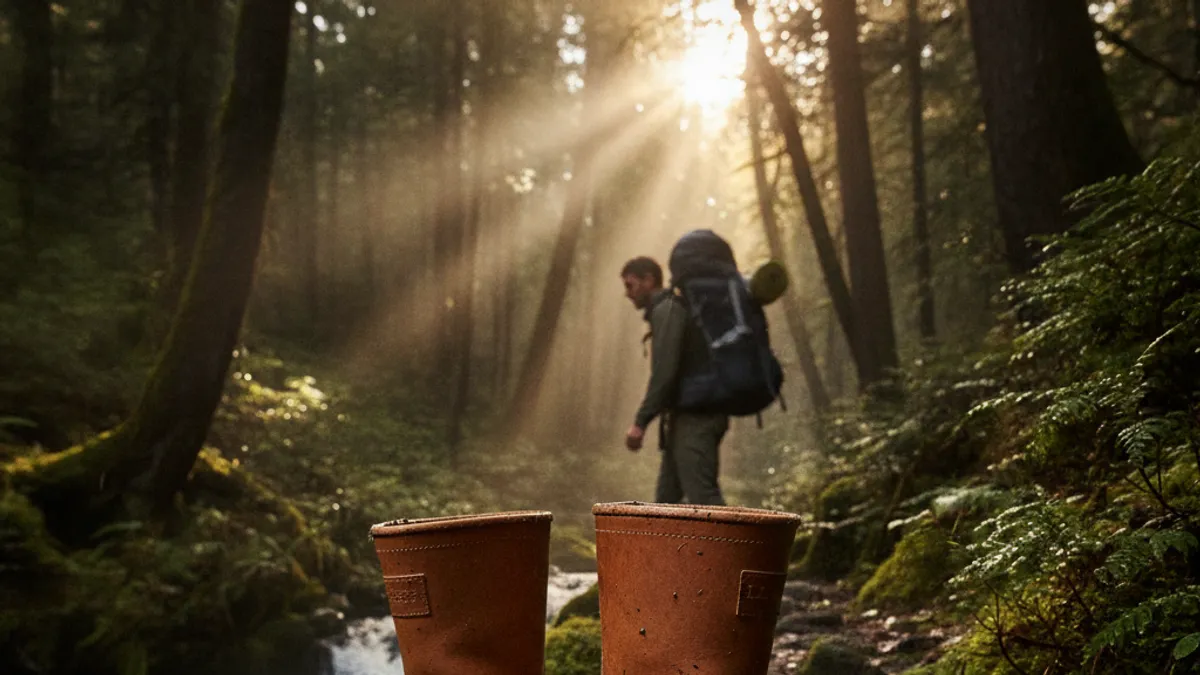
Bean Boots, or the iconic L.L.Bean Boots as they’re formally known, were originally designed with practicality and water protection as their primary goals. They boast a distinctive construction: a waterproof rubber bottom fused to a leather or suede upper. This combination makes them exceptionally good at keeping moisture out, a feature that has cemented their place as a go-to for certain types of outdoor activity.
Everyday Dry & Comfortable
These boots are champions at keeping your feet dry during everyday activities. Think splashing through puddles on a rainy commute or walking the dog on a dewy, damp lawn. Their waterproof nature means you don’t have to worry about shallow water or light rain seeping through, making them a reliable choice for keeping comfortable when the weather isn’t cooperating. This everyday reliability is a massive draw for many users.
Casual Walks and Wet Errands
Beyond simple puddles, Bean Boots are excellent for casual, short excursions in damp or muddy environments. This includes things like running errands around town on a wet day, light yard work, or taking a stroll on a well-maintained, flat park path after a rain shower. They offer a sturdy feel and protection from wet ground without the need for more specialized footwear. They are a practical, no-fuss option for keeping your feet protected and dry in many common scenarios.
Where Bean Boots Fall Short for Hiking
While Bean Boots perform admirably in wet, casual settings, their design presents significant drawbacks when it comes to more rigorous hiking. The very features that make them great for everyday use can become liabilities on trails that demand more from your footwear. The key differences lie in the specific demands of varied terrain and extended physical exertion, areas where dedicated hiking gear often takes precedence.
The Ankle Support Issue
A primary concern for hiking is the need for adequate ankle support, especially on uneven or challenging terrain. Bean Boots are typically low-cut, meaning they only reach the ankle bone and offer minimal lateral stability. When you’re navigating rocks, roots, or other obstructions, your ankles can twist or roll, leading to sprains. Dedicated hiking boots, by contrast, often feature mid- or high-cut designs to securely hug the ankle and provide crucial stability, reducing the risk of injury on unpredictable paths.
Traction Troubles on the Trail
The sole pattern on Bean Boots is generally designed for general grip, but it lacks the aggressive and deeply lugged design needed for true hiking performance. On steep ascents, loose scree, or wet, slippery surfaces like mud or slick rocks, the traction provided by a standard Bean Boot sole can be insufficient. Hiking boots and trail shoes typically use specialized rubber compounds and aggressive lug patterns designed to shed mud and debris while maximizing grip on diverse surfaces, a critical factor for safety and efficiency on varied trails.
Weight and Breathability Concerns
Bean Boots, particularly insulated models, can be considerably heavier than performance-oriented hiking footwear. This added weight can lead to increased fatigue during longer hikes, as your legs have to work harder with every step. Furthermore, their construction, while waterproof, often sacrifices breathability. This can result in a buildup of moisture from sweat inside the boot, leading to discomfort, blisters, and potentially colder feet, especially during strenuous activity where your body temperature rises.
Comparing Bean Boots to Real Hiking Footwear
When considering footwear for hiking, it’s essential to understand how Bean Boots stack up against gear specifically engineered for the trail. The comparison isn’t about one being universally “better,” but about which is best suited for particular demands. We’ll look at dedicated hiking boots and trail running shoes, both of which offer distinct advantages over Bean Boots for most hiking scenarios.
Dedicated Hiking Boots: The Sturdy Choice
Hiking boots are built for durability and support on challenging terrain. They typically feature a higher cut around the ankle to prevent sprains, robust lacing systems for a secure fit, and stiffer soles with aggressive tread patterns for optimal traction on rocks, mud, and steep inclines. Manufacturer specifications often highlight features like reinforced toe caps, waterproof yet breathable membranes, and durable cushioning systems designed for miles of comfortable wear. For serious hiking involving varied and demanding trails, they are your best bet.
Trail Shoes: Lighter, Faster Options
For less technical or shorter hikes, trail running shoes offer a fantastic alternative. They provide excellent traction and some support but are lighter and more flexible than traditional hiking boots. This makes them ideal for those who move at a quicker pace or prefer a minimalist feel. While they may not offer the same level of ankle protection as a mid-cut boot, their advanced cushioning and grippy outsoles make them a popular choice for day hikes and faster-paced adventures on well-defined paths.
Bean Boots: Best Use Cases for Trails
While not ideal for all terrains, Bean Boots can surprisingly hold their own for specific, less demanding types of trail use. Their inherent waterproofness and durability make them a viable option for situations where keeping your feet dry and protected from minor ground hazards is the priority, but high-level performance isn’t. They fit into a niche for simpler outdoor excursions where the emphasis is on comfort and protection from the elements rather than technical performance.
Gentle Paths and Muddy Patches
Bean Boots shine on gentle, well-maintained paths that might be a bit damp or muddy. Think of a nature walk in a local park after a rainstorm, or a short trek through a wetland area where the primary concern is keeping your feet from getting soaked. Their rubber-clad lower and waterproof construction mean you can step through puddles and mud without worry. The lack of aggressive tread is less of an issue on these flatter, less slippery surfaces, and their general sturdiness offers a pleasant feel underfoot for shorter durations.
Short, Flat Hikes
For very short, flat hikes where the terrain is predictable and there are no significant elevation changes or obstacles, Bean Boots can suffice. If you’re doing a quick loop around a lake or a stroll through a relatively smooth forest floor, and the weather is cool and damp, they might be comfortable enough. They provide a bit more ruggedness than a typical sneaker and offer superior water protection. However, even on these shorter hikes, the limited ankle support and less aggressive traction mean you should still be mindful of your footing.
Hiking Scenarios Where Bean Boots Are Not Ideal
If your hiking plans involve anything beyond a leisurely stroll on a groomed path, Bean Boots are likely to let you down. Their fundamental design, while excellent for casual wet weather, overlooks critical performance requirements for more challenging outdoor activities. Pushing them on demanding trails can lead to discomfort, reduced efficiency, and even safety concerns due to their inherent limitations in grip and support.
Steep Ascents and Descents
When you’re heading uphill or downhill on a hike, your footwear needs to provide reliable traction. Steep ascents require your feet to grip the ground so you don’t slip backward, while steep descents demand control to prevent a rapid, potentially uncontrolled slide. The lug pattern on Bean Boots is simply not aggressive enough to offer this kind of secure footing on inclines. Standardized testing for slip resistance shows that specialized hiking soles significantly outperform general-purpose soles on varied slopes.
Rocky, Uneven Terrain
Navigating rocky trails, root-laden paths, or areas with a lot of loose gravel is where ankle support becomes paramount. Bean Boots, with their low-cut design, offer very little protection against your ankle rolling inward or outward. This can easily lead to a twisted ankle, a common hiking injury. Real hiking boots often feature higher collars that wrap snugly around your ankle, providing exceptional stability.
Analysis of common hiking injuries reveals that inadequate ankle support in footwear is a leading cause of sprains and fractures on uneven ground.
Long-Distance Trekking
For hikes that extend over many miles, the cumulative effect of footwear choice becomes significant. Bean Boots, particularly insulated versions, can be heavy. This extra weight demands more energy from your legs with every step, leading to quicker fatigue over extended periods. Furthermore, their limited breathability can cause sweaty feet, which increases the risk of blisters and discomfort as the hike progresses.
Proper hiking shoes or boots are engineered with lighter materials and more advanced ventilation systems to keep feet comfortable and supported for the long haul.
Key Features to Look For in Hiking Footwear
When you’re choosing footwear specifically for hiking, a few key features differentiate it from casual boots and dramatically impact your experience on the trail. These elements are critical for safety, comfort, and performance, especially as your hikes become longer or more technical. Understanding these attributes will help you select the right gear for your adventures and avoid the pitfalls of using inappropriate footwear.
Grip and Tread
The outsole of a hiking boot or shoe is designed to provide maximum traction. This typically involves deep, widely spaced lugs made from durable rubber compounds. Different patterns are optimized for various surfaces: aggressive, multi-directional lugs for mud and loose terrain, and flatter, stickier rubber for rock scrambling. Specialized hiking soles often exceed a slip-resistance rating of 0.4 (coefficient of friction) on dry surfaces in standardized tests, whereas general-purpose soles may fall below 0.3.
This enhanced grip prevents slips on inclines, declines, and wet surfaces.
Ankle and Arch Support
Good hiking footwear should offer substantial support to your feet and ankles. For boots, this often means a mid- or high-cut design that wraps snugly around your ankle, providing stability and reducing the risk of twists and sprains on uneven ground. Arch support is also crucial for comfort over long distances, helping to distribute pressure evenly and prevent foot fatigue. Internal support structures and well-designed insoles contribute to this, ensuring your feet remain comfortable and aligned throughout your hike.
Material and Breathability
The materials used in hiking footwear directly influence their durability, waterproofing, and breathability. Many modern hiking boots and shoes incorporate waterproof yet breathable membranes, such as Gore-Tex, which allow water vapor (sweat) to escape while preventing external moisture from entering. Uppers might be made from durable leather, synthetic fabrics, or a combination. As of 2026, advanced textile engineering continues to push the boundaries of this balance, offering excellent protection without sacrificing comfort during strenuous activity.
Fit for the Long Haul
Ultimately, the best feature of any hiking footwear is a proper fit. This means the shoe or boot should feel snug but not tight, with enough room in the toe box for your toes to wiggle freely, especially important on descents to prevent jamming. There should be no pinching or rubbing, as even minor discomfort can become excruciating over several miles. Trying on boots at the end of the day, when your feet are slightly swollen, and walking around in them for a significant period is recommended to ensure a truly comfortable fit for all-day wear on the trail.
