
I get asked this question a lot by beginner hikers: “Oscar, can I just wear my old combat boots on the trail?” It makes sense. If you already have a pair of military surplus boots sitting in your closet, buying expensive new hiking shoes feels like a waste of money. Plus, combat boots look incredibly tough, right? They are built for soldiers, so they must be perfect for a weekend backpacking trip in the woods.
Here is the thing. While combat boots are incredibly durable and offer amazing ankle support, they were not designed for the same kind of movement as modern hiking. Hiking trails are full of unpredictable terrain, slick rocks, and steep inclines. Military boots are often built for durability over long-term foot comfort, which can lead to some painful lessons on the trail if you are not prepared.
So, are combat boots good for hiking? The short answer is yes, you can hike in them, but you need to know their limits. Let me explain the pros, the cons, and exactly how to prepare your feet if you decide to take military boots on your next outdoor adventure.
Quick Answer
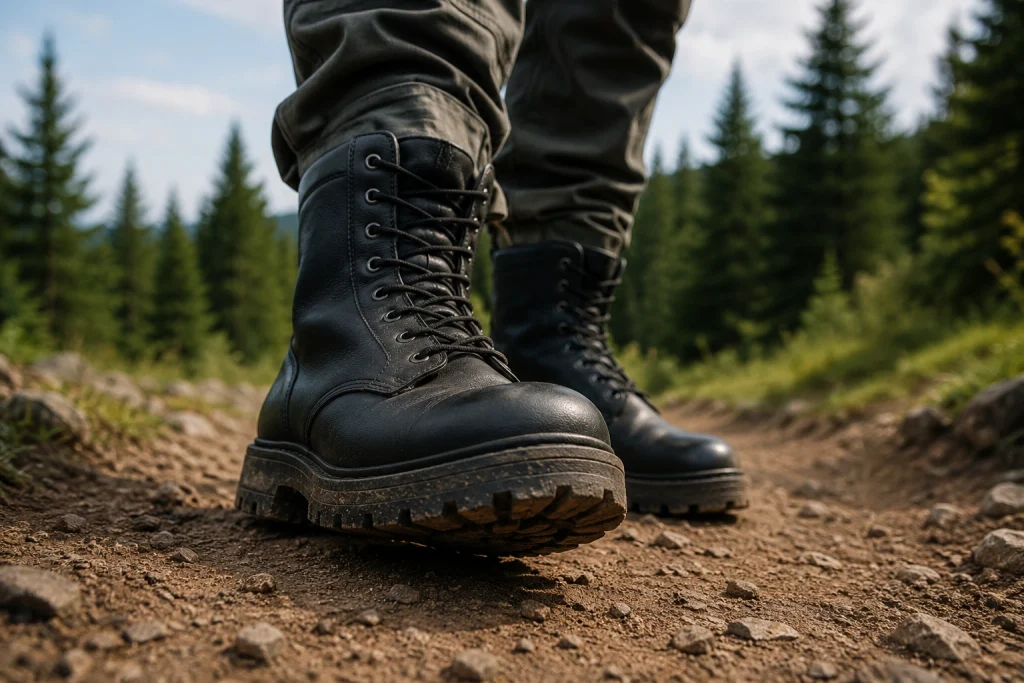
Yes, combat boots can be used for hiking, but they are not the best choice for every trail. They offer excellent durability, unmatched ankle support, and great protection against snakes and brush. However, they are significantly heavier than modern hiking boots, lack breathable materials, and often have flat, hard soles that do not grip wet rocks well. If you choose to hike in combat boots, you must break them in completely, upgrade the insoles, and wear high-quality wool hiking socks to prevent serious blisters.
What Hikers Should Know About Combat Boots on the Trail
Before you lace up those heavy leather boots, it is important to understand the main differences between military footwear and modern outdoor gear. Hiking requires a mix of flexibility, traction, and breathability. Let’s break down what you can actually expect when wearing combat boots on a nature trail.
First, let’s talk about the weight. Traditional combat boots are heavy. You might not notice it when walking around your house, but after five miles on a trail, every extra ounce on your feet feels like a pound. Modern hiking boots use lightweight synthetic materials, while combat boots rely on thick leather and heavy rubber soles. This extra weight can lead to faster leg fatigue, especially on steep uphill climbs.
Second, consider the breathability. Most standard issue military boots are made of solid leather to withstand mud, sharp rocks, and heavy abuse. The problem? Leather does not breathe well. If you are hiking in the summer heat, your feet will sweat. Sweat leads to friction, and friction leads to trail-ending blisters.
However, it is not all bad news. Here are the main benefits of hiking in combat boots:
- Extreme Ankle Support: The tall shaft of a combat boot locks your ankle in place, reducing the chance of a twisted ankle on rocky ground.
- High Durability: A good pair of military boots will outlast almost any modern trail running shoe. They can take a massive beating.
- Brush and Snake Protection: The thick, tall leather protects your lower legs from thorny bushes, poison ivy, and even minor wildlife encounters.
- Cost-Effective: If you already own them, they are free. Military surplus stores also sell them for a fraction of the cost of premium hiking footwear.
Signs You Should Adjust Your Hiking Plan, Gear, or Trail Choice
Knowing when to push forward and when to turn back is the most important skill an outdoor traveler can learn. If you decide to test out your combat boots, you need to pay close attention to what your body and the trail are telling you. Not every shoe is built for every environment.
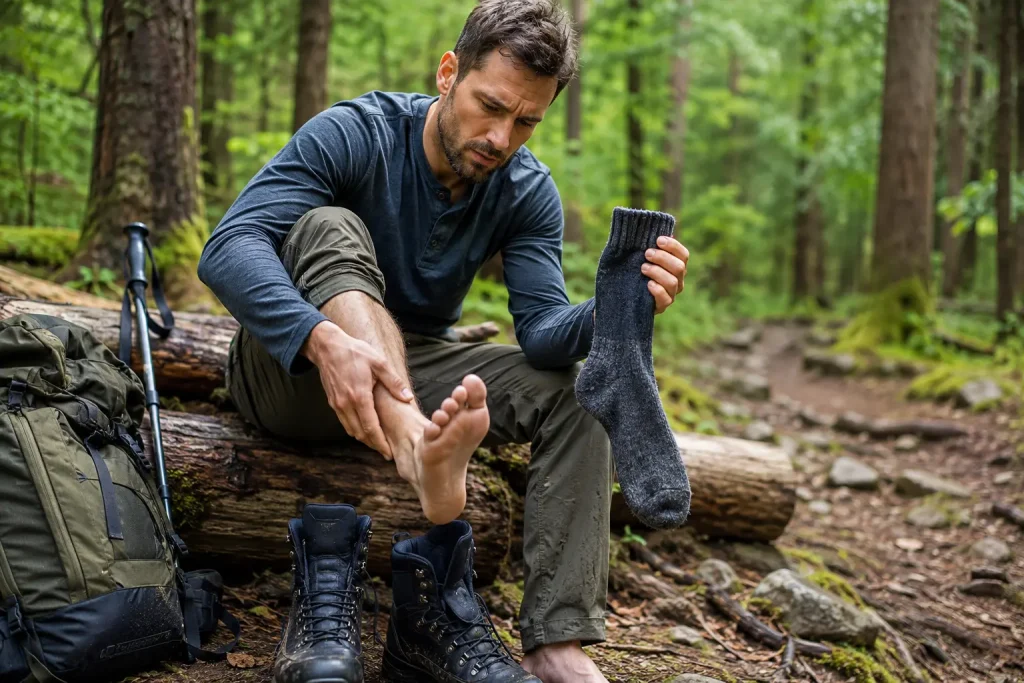
If you feel a hot spot forming on your heel, stop immediately. A hot spot is a warm, slightly painful area of skin that happens right before a blister forms. Do not try to push through the pain. Take off your boot, apply some moleskin or a blister bandage, and adjust your socks. If your feet are in agonizing pain just two miles into a hike, that is a clear sign to turn around before you get stranded.
Here is a simple breakdown of how traditional combat boots compare to modern hiking boots, so you can make a safe choice for your next route.
| Feature | Traditional Combat Boots | Modern Hiking Boots |
|---|---|---|
| Weight | Very heavy (Can cause early fatigue) | Lightweight to medium weight |
| Ankle Support | Excellent (Very tall shaft) | Good to Excellent |
| Sole Traction | Fair (Often flat, struggles on wet rock) | Excellent (Deep lugs for trail mud) |
| Breathability | Poor (Solid leather holds heat and moisture) | High (Mesh panels let sweat escape) |
| Break-in Period | Long (Takes weeks of wear to soften) | Short (Often comfortable out of the box) |
Another sign you might need to change your plans is the weather. Combat boots often have hard rubber soles designed for pavement, sand, or flat dirt. They do not have the sticky rubber compounds found on modern hiking shoes. If you check the NOAA Weather forecast and see rain, you might want to pick a flat, easy trail. Wet rocks and hard combat boot soles are a dangerous combination for slips and falls.
How to Handle Hiking in Combat Boots Step by Step
If you are committed to taking your combat boots on the trail, you need to prepare them properly. You cannot just pull them out of a box and hike up a mountain. Following these steps will keep your feet safe and make the experience much more enjoyable.
- Break Them In Slowly: Never wear brand new combat boots on a hike. Wear them around your house for a few days. Then, wear them on short neighborhood walks. The stiff leather needs time to mold to the shape of your foot.
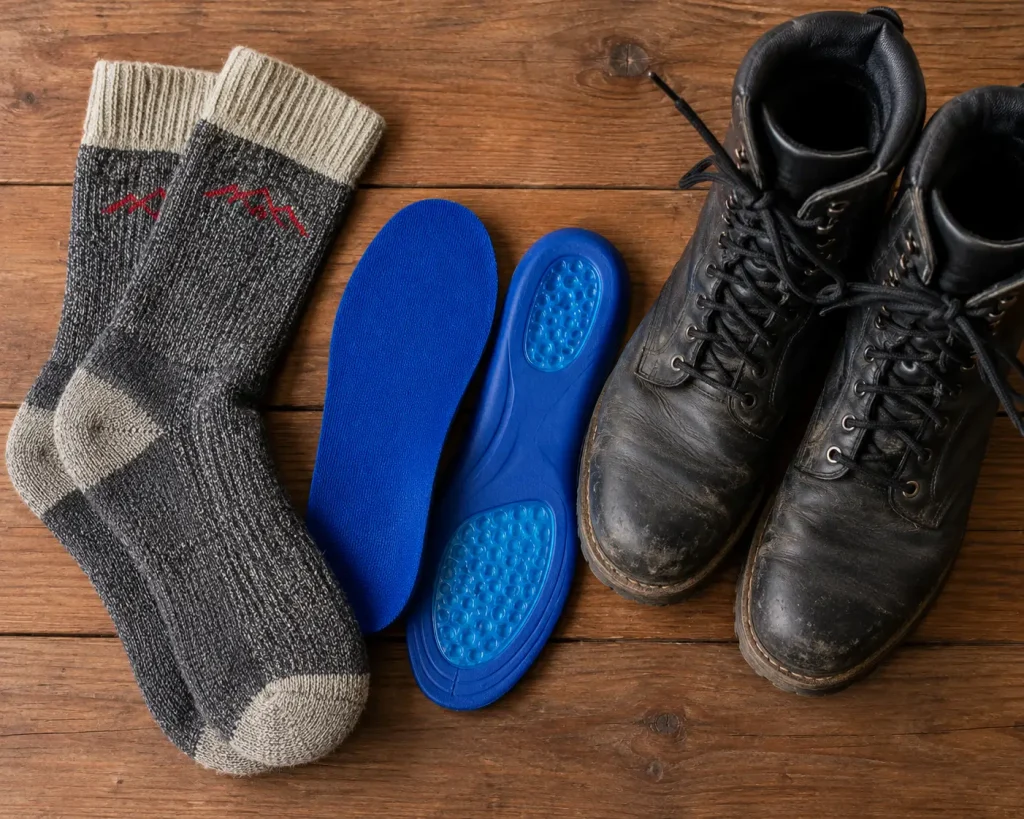
- Upgrade the Insoles: Standard military boots usually come with completely flat, hard insoles. Go to a local store and buy a pair of thick, supportive gel or foam insoles. This one step will save your knees and lower back.
- Wear the Right Socks: Never wear cotton socks. Cotton traps sweat and causes massive blisters. Instead, wear a thin synthetic liner sock covered by a thick merino wool hiking sock. This reduces friction against your skin.
- Lace Them Properly: Combat boots give great ankle support, but only if laced tightly. Make sure the boots are snug across the top of your foot to prevent your heel from lifting up and down as you walk.
- Start with an Easy Trail: Test your setup on a flat, dry, well-maintained trail first. Keep your first hike under three miles. This allows you to identify any painful rub points before you commit to a full day in the wilderness.
- Pack a First-Aid Kit: Always carry basic safety gear. When testing new heavy footwear, make sure your kit includes blister tape, moleskin, and an emergency whistle just in case you twist an ankle and need help.
Can You Actually Hike in Combat Boots?
Yes, you can. For short, less demanding hikes on well-maintained trails, your combat boots might manage just fine. If you already own a pair and they feel comfortable, why not give them a shot for a casual stroll? However, for longer treks, challenging terrain, or multi-day adventures, you’ll likely start to feel the drawbacks.
This isn’t to say they’re entirely useless for outdoor pursuits, but they’re designed with a different primary purpose in mind. Much like you wouldn’t use a screwdriver to hammer a nail, sometimes a specialized tool, or in this case, footwear, is just better suited for the job at hand.
Combat Boots vs. Hiking Boots: What’s the Real Difference?
Here’s where we get down to brass tacks. While both are designed for tough wear, their primary jobs are different, and that shows in how they perform on a trail. Combat boots are engineered for tactical durability and protection in military operations, emphasizing ankle support and a robust, often stiff sole. Hiking boots, on the other hand, are specifically crafted for the demands of walking varied terrain over extended periods, prioritizing a balance of cushioning, flexibility, and grip for comfort and performance.
| Feature | Combat Boots | Hiking Boots |
|---|---|---|
| Primary Purpose | Military operations, tactical durability | Trail walking, varied terrain, comfort over distance |
| Weight | Often heavier, built for ruggedness | Can vary, but often lighter than combat boots |
| Sole Flexibility | Generally stiffer, less flex for natural movement | More flexible sole for natural foot articulation |
| Cushioning | Minimal, focused on direct protection | Built-in cushioning for shock absorption over miles |
| Breathability | Can be limited, potentially leading to sweaty feet | Often designed for better ventilation and moisture wicking |
| Waterproofing | Varies widely, not always a primary focus | A common, and often critical, feature for trail use |
| Break-in Period | Can require a significant break-in before comfort | Varies, but often less demanding than combat boots |
Combat Boots Suitability: Pros and Cons
When considering combat boots for hiking, it’s useful to weigh their inherent strengths against their potential weaknesses for the specific demands of trail walking. Their robust construction offers certain advantages, but they also come with limitations that can impact your experience.
Pros of Using Combat Boots for Hiking
- Durability: Combat boots are built to last. Their tough materials, like full-grain leather and reinforced stitching, can withstand rough treatment on the trail, making them a resilient option for many conditions.
- Protection: The sturdy construction and often higher ankle support can offer good protection against impacts, twists, and abrasions from rocks, roots, or uneven ground.
- Traction: Many combat boots feature aggressive lug patterns on their outsoles, providing solid grip on a variety of surfaces, from dirt to gravel.
- Ankle Support: The high-top design offers substantial support around the ankle, which can be beneficial for those prone to sprains or navigating unpredictable terrain.
Cons of Using Combat Boots for Hiking
- Weight: Combat boots are frequently heavier than dedicated hiking boots. This extra weight can lead to increased fatigue over longer distances, making each step feel more laborious. For example, a typical pair of combat boots can weigh upwards of 4 pounds per pair, whereas many lightweight hiking boots can be under 2 pounds per pair.
- Flexibility: Their inherent stiffness, while good for protection, means less sole flexibility. This can make natural foot articulation difficult during ascents and descents, leading to a less efficient and more taxing stride.
- Cushioning: Combat boots often lack the specialized cushioning found in hiking boots. This can result in less shock absorption for your feet and joints, especially on hard surfaces or during long downhill sections.
- Breathability: Many military-style boots are designed for protection and water resistance, which can sometimes compromise breathability. This can lead to internal moisture buildup, increasing the risk of blisters and general discomfort, particularly in warmer climates.
- Break-in Period: Aggressively built boots often require a substantial break-in period to become truly comfortable, which can be impractical if you need footwear ready for an immediate hike.
When Combat Boots Might Not Be Your Best Friend on the Trail
Let’s be honest, there are times when combat boots just aren’t the ideal choice for a hiking excursion. If you’re planning a strenuous, multi-day backpacking trip through varied terrain or hiking in hot, humid weather, you might find yourself wishing you’d opted for something else. The rigidity and weight that make them great for marching can become a significant drawback when you’re trying to cover miles comfortably and efficiently.
For instance, consider a challenging 10-mile hike with significant elevation changes. The lack of flexibility in a rigid combat boot can make uphill climbs more demanding and downhill descents harder on your knees and ankles due to reduced shock absorption. Furthermore, if the boots aren’t designed with highly breathable materials, your feet can become uncomfortably hot and sweaty. This excess moisture, according to Footwear Science, is a primary contributor to friction, which directly leads to blisters and hot spots, hindering your progress and enjoyment.
The Hiking Boot Advantage
Hiking boots are purpose-built for the trails. Their design prioritizes a blend of comfort, support, and performance specifically tailored for walking on varied natural surfaces. They typically feature outsoles with deeper, more aggressive lugs for superior traction on dirt, mud, and loose rock. Many also incorporate advanced midsole materials for improved cushioning and shock absorption, helping to reduce fatigue on long treks.
Furthermore, modern hiking boots often utilize specialized membranes, like those meeting Gore-Tex specifications, for excellent waterproofing without sacrificing breathability. This means your feet can stay dry from both external moisture and internal sweat. For example, manufacturer data often shows hiking boots achieving breathability ratings, measured by water vapor transmission rates, significantly higher than typical military boot specifications. This thoughtful engineering makes a noticeable difference when you’re spending hours on the move.
Best Use Cases for Combat Boots on the Trail
Combat boots can genuinely work well on the trail in specific scenarios, particularly if you already own a pair and prioritize ruggedness. They excel on shorter, less demanding hikes where you might encounter uneven ground but not extreme conditions. Think of a brisk walk through a local wooded park, a simple rocky path, or a hike on a well-maintained forest service road. In these situations, the inherent durability and protective qualities of combat boots can be sufficient, offering good grip and ankle stability without the added bulk of some dedicated hiking footwear.
If your hikes are generally under 5 miles, on relatively flat or gently rolling terrain, and you aren’t typically concerned with extensive break-in periods or maximum breathability, combat boots can be a perfectly acceptable choice. They’re also a great option if you’re looking for a sturdy, all-around boot that can handle both light outdoor excursions and everyday wear. For those who already have a comfortable, broken-in pair of combat boots, using them for these less aggressive outings can save you the cost of purchasing separate hiking boots when they’re not strictly necessary.
When to Consider Dedicated Hiking Boots Instead
Dedicated hiking boots become essential when your adventures lean towards longer distances, more challenging terrain, or extended periods outdoors. If you’re planning a hike that involves significant elevation changes, rough, rocky paths, or overnight trips, the specialized features of hiking boots offer a clear advantage. For example, when tackling steep ascents and descents, the enhanced flexibility and superior shock absorption in hiking boots, often found in EVA or PU midsoles, help reduce stress on your feet, ankles, and knees.
Moreover, if you anticipate varied weather conditions, including potential rain or stream crossings, the waterproofing and breathability offered by hiking boots are critical. A typical waterproof hiking boot might use a membrane that allows for a water vapor transmission rate of 20,000g/m²/24hr, keeping your feet dry from the inside out. In contrast, many standard combat boots prioritize water resistance over active breathability, which can lead to discomfort and blisters in damp conditions. Choosing hiking boots ensures you have footwear optimized for sustained comfort and performance throughout your journey.
Common Mistakes to Avoid
Over the years, I have seen plenty of beginners make the same painful mistakes with military surplus gear. Avoid these common traps to keep your hiking trip fun and safe.
- Ignoring Foot Pain: The “tough it out” mentality does not work on the trail. If your boots hurt, stop and fix the problem. Ignoring it leads to open wounds on your heels.
- Hiking in Unbroken Leather: Stiff leather acts like sandpaper against your skin. Always soften the boots through short walks first.
- Leaving the Ankle Loose: If you leave the top laces loose for comfort, your foot will slide forward on downhill sections. This causes your toes to smash into the front of the boot, resulting in bruised or lost toenails.
- Choosing the Wrong Terrain: Do not wear combat boots on trails that require rock scrambling or climbing slick boulders. The soles simply do not have the grip required for technical mountain terrain.
- Overpacking Your Backpack: Because combat boots are heavy, your legs will tire out faster. Do not make it worse by carrying an overly heavy backpack. Stick to the essentials from my beginner hiking gear checklist.
Practical Tips from Oscar
I want you to have a great time out there. If you are going to use combat boots, here are a few personal trail tips I always share with friends who want to hike on a budget.
Key Takeaways
- Combat boots are a decent, budget-friendly option for beginner hikers on dry, flat, and well-maintained trails.
- They provide unmatched durability and ankle support but suffer from heavy weight and poor breathability.
- Never hike in combat boots straight out of the box; they require a significant break-in period to soften the leather.
- Always replace the flat factory insoles with cushioned gel or foam inserts to protect your joints from impact.
- Pair them with high-quality merino wool socks to manage foot sweat and prevent painful blisters.
- Avoid steep, wet, or rocky terrain, as traditional military boot soles lack the sticky traction of modern hiking shoes.
Frequently Asked Questions
Are tactical boots the same as combat boots?
Not exactly. Traditional combat boots are heavy, made of solid leather, and built for extreme durability. Modern tactical boots are lighter, often made with synthetic mesh panels, and feel much more like running shoes. Tactical boots are generally better for hiking than old-school combat boots.
Do combat boots cause blisters when hiking?
Yes, they are highly prone to causing blisters if they are not broken in properly. The rigid leather and lack of ventilation create a perfect environment for friction. Wearing a two-sock system and applying moleskin to hot spots can help prevent this.
Can I wear combat boots for backpacking?
While you can, it is not highly recommended for long backpacking trips. The extra weight of the boots combined with a heavy backpack will tire your legs out very quickly. For multi-day trips, investing in lightweight, dedicated backpacking boots is a much safer and more comfortable choice.
Are combat boots good for summer hiking?
They are usually too hot for summer hiking. The thick leather does not breathe, causing your feet to sweat heavily, which increases the chance of blisters. If you must hike in the summer with them, take frequent breaks to take your boots off and let your feet dry.
Do I need waterproof combat boots?
It depends on your environment. Solid leather naturally repels a lot of water if treated with a waterproofing wax. However, if water gets inside a tall combat boot, it will stay trapped inside all day. For most day hikers, highly breathable non-waterproof shoes are actually better because they dry out quickly.
Conclusion
The good news is that you do not need to spend hundreds of dollars on fancy gear to start enjoying the outdoors. If a pair of old combat boots is what gets you off the couch and onto the trail, then lace them up! Just be smart about it. Treat your feet with respect, upgrade those cheap insoles, wear proper wool socks, and take the time to break the leather in before you tackle a big mountain.
As you spend more time on the trail, you will eventually learn what your body needs. You might find that the heavy military boots are slowing you down, and that is perfectly fine. When you are ready to upgrade, you can check out my guide to choosing the best beginner hiking shoes to find a lighter option.
Remember to always check the weather, start with short distances, and follow Leave No Trace principles while you are out there. Stay safe, listen to your feet, and I will see you on the trail!

1 thought on “Are Combat Boots Good for Hiking? A Practical Trail Guide”