Hiking Shoes vs Hiking Boots: Which Is Better for Your Trail?

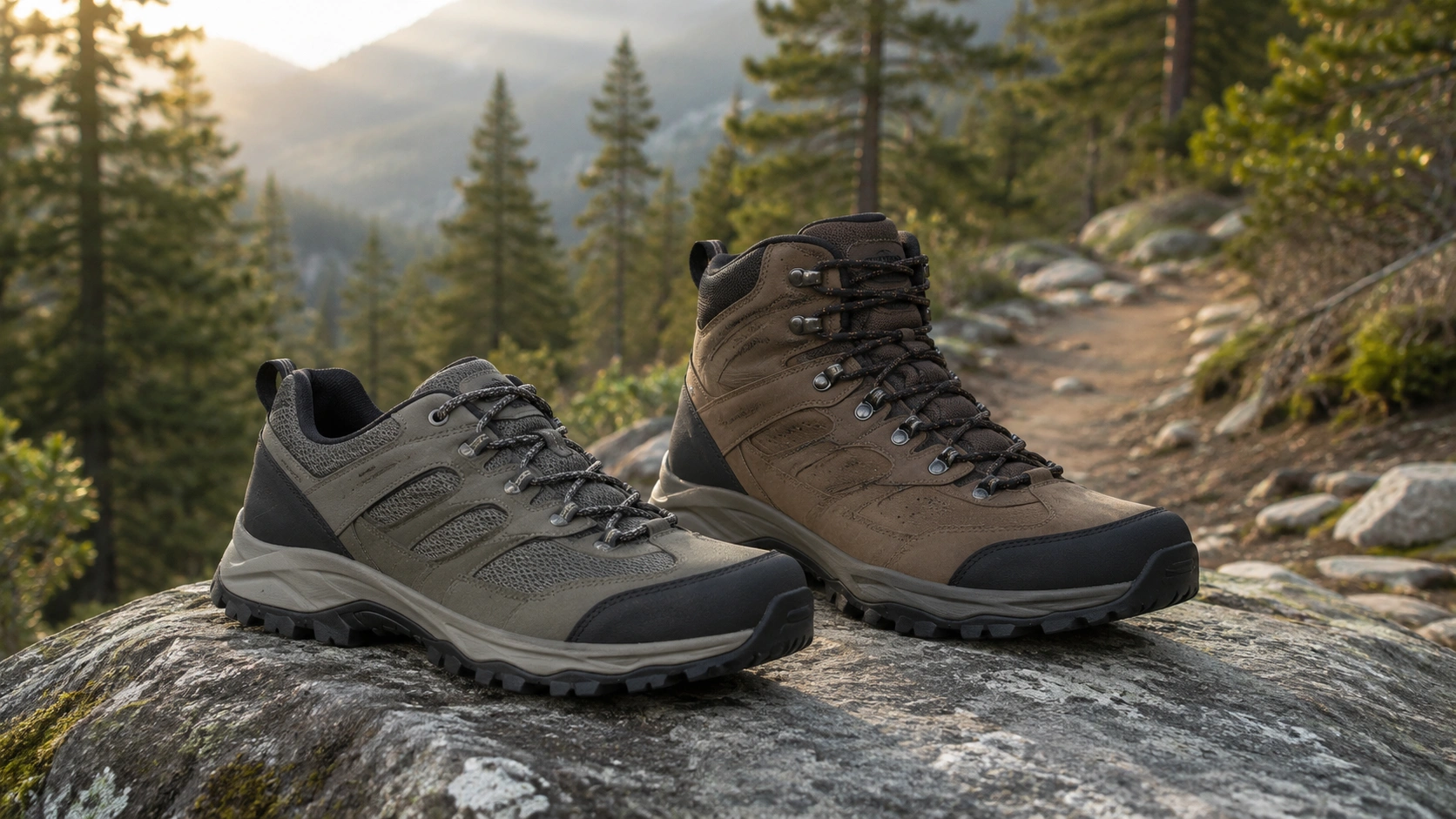
Hiking shoes offer flexibility, while hiking boots provide more coverage and structure.

Choosing between hiking shoes and hiking boots can feel confusing, especially when both options promise traction, comfort, and trail protection. The wrong footwear may lead to sore feet, blisters, poor stability, or unnecessary fatigue. The hiking shoes vs hiking boots decision depends on more than personal style. Trail surface, weather, distance, pack weight, foot shape, … Read more

Guide to Does Hiking Build Muscle in 2026 (Worth Your Money)

Does Hiking Build Muscle

You’ve probably wondered if lacing up your boots and hitting the trails is just cardio, or if it’s actually building up your physique. The truth is, does…

Guide to Must Have Gear for Hiking (2026) — Tried & Tested

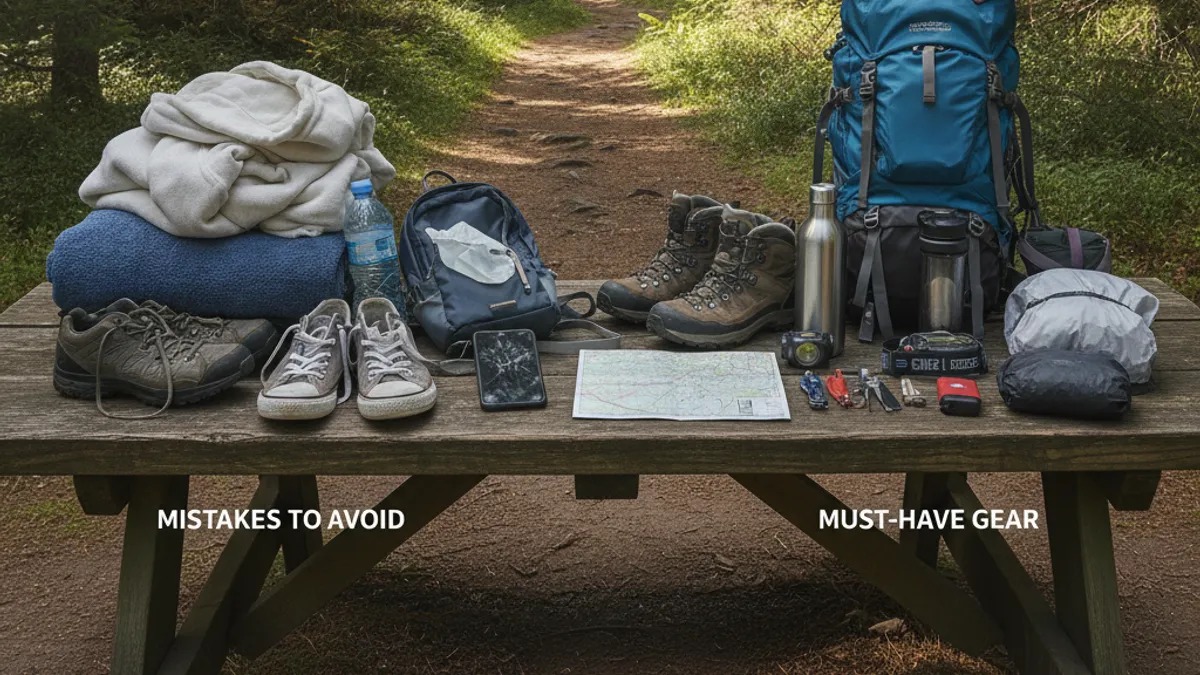
Common Hiking Gear Mistakes to Avoid

Getting out on the trail should feel like a breath of fresh air, not a struggle against illpreparedness. Knowing what to pack can make the difference between…

What Are the Best Hiking Socks in 2026 (Real Buyer Picks)

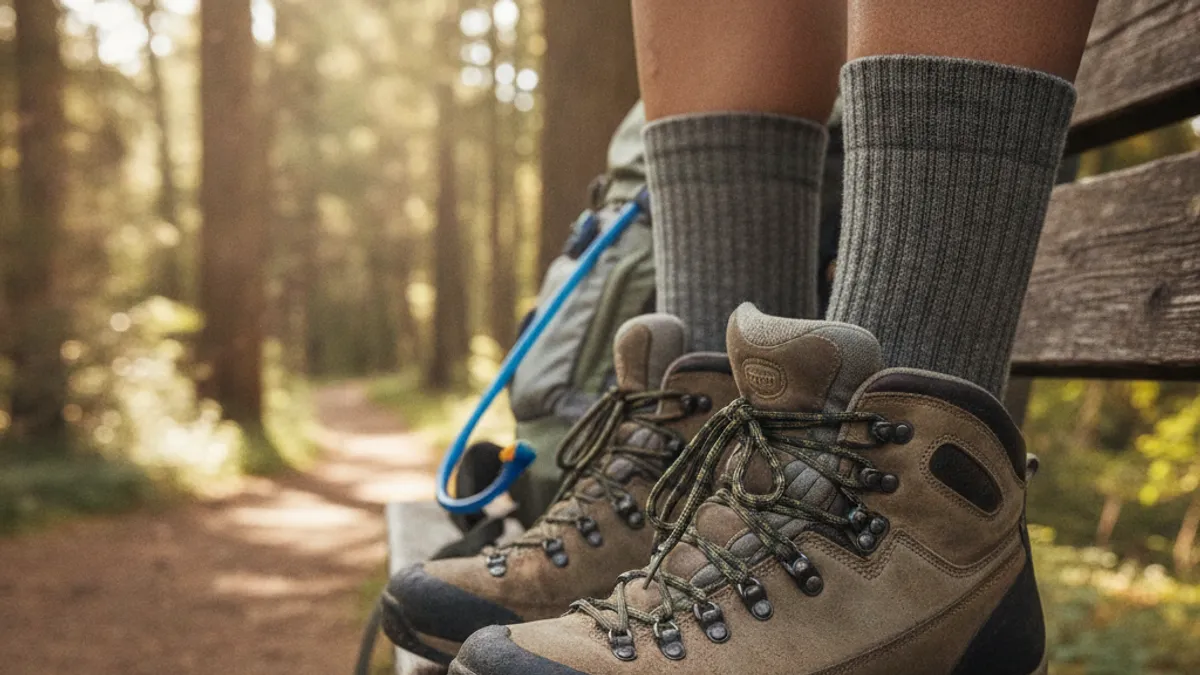
Why Your Socks Are Key to Happy Feet on the Trail

Knowing what are the best hiking socks can make or break your next adventure. A poorly chosen sock can lead to painful blisters, sweaty discomfort, and even…

What Does Hiking Do for Your Body for 2026: Real-World Picks

Hiking: Your Body's Natural Gym

Hit the Trail for a Healthier You: What Hiking Does for Your Body Wondering exactly what does hiking do for your body? It turns out that strapping on a pair of…

What Is the Best Length for Hiking Poles 2026

Why Pole Length Matters: Beyond Just Height

Finding the right length for your hiking poles can feel like a small detail, but it makes a huge difference on the trail. Using poles that are too long or too…

What Are the Best Hiking Shoes (2026) — That Actually Work

Why the "Best" Hiking Shoe is Personal

Understanding what are the best hiking shoes means recognizing that your perfect pair isn’t just about looking tough or being the most expensive. It’s about…

How to Select Hiking Boots 2026

Trail Shoe vs. Mid-Weight vs. Backpacking Boot: What's the Difference?

Picking the wrong hiking boots can turn an amazing day outdoors into a painful slog. That’s why knowing how to select hiking boots that fit your feet and your…

How to Plan a Hiking Trip 2026

What's Driving Your Hike? Day Trip or Overnight Adventure?

When you’re eager to hit the trail, figuring out exactly how to plan a hiking trip can feel overwhelming. It’s more than just lacing up your boots; smart…

What Are Hiking Shoes? A Complete Beginner’s Guide (2026)

What Are Hiking Shoes

If you’re new to hiking, one of the first questions you might ask is, What are hiking shoes? I get it. At first glance, they can look a lot like sneakers or trail running shoes. But once you start exploring trails, you’ll quickly notice that the right footwear can make a huge difference in your comfort and safety.

In this guide, I’ll explain what hiking shoes are, how they work, who should wear them, and how they compare with hiking boots and trail runners. By the end, you’ll know whether hiking shoes are the right choice for your next adventure.

Quick Answer

Hiking shoes are lightweight outdoor shoes designed for walking on trails, uneven terrain, and natural surfaces. They provide better grip, durability, foot protection, and stability than regular athletic shoes while remaining lighter and more flexible than traditional hiking boots. They’re a popular choice for day hikes, easy backpacking trips, and hikers who want comfort without the extra weight of boots.

What Are Hiking Shoes?

Hiking shoes are purpose-built footwear made for outdoor trails. They combine the comfort of athletic shoes with features that help you walk safely across dirt, rocks, roots, mud, and uneven ground.

Unlike everyday sneakers, hiking shoes are built with stronger materials, tougher outsoles, and better support. Their goal is simple: help you hike farther while reducing the risk of slips, sore feet, and minor injuries.

Most hiking shoes include:

  • Grippy rubber outsoles for better traction
  • Protective toe caps that shield your feet from rocks
  • Durable uppers that resist abrasion
  • Extra cushioning for long walks
  • Better stability on uneven trails

Many models also include waterproof membranes that help keep your feet dry during wet hikes.Oscar’s Tip:

Don’t assume all hiking shoes are waterproof. Many hikers actually prefer breathable, non-waterproof shoes in warm climates because they dry much faster after getting wet.

How Are Hiking Shoes Different from Regular Sneakers?

At first, hiking shoes may look similar to running shoes. The differences become obvious once you leave the pavement.

Regular sneakers are designed for flat surfaces like sidewalks, gyms, and roads. Hiking shoes are made for unpredictable outdoor terrain where traction and protection matter much more.

Feature Regular Sneakers Hiking Shoes
Grip Basic tread Aggressive trail lugs
Toe Protection Minimal Reinforced toe cap
Durability Average Built for rough terrain
Support Light Moderate stability
Water Resistance Usually none Many waterproof options

If your hikes stay on smooth city paths, sneakers may be enough. But once you begin exploring rocky trails or forest paths, hiking shoes usually provide much better confidence and comfort.

For more information about trail safety, the National Park Service offers helpful guidance for hikers.

Why Hiking Shoes Matter on the Trail

Many beginners underestimate how much stress hiking places on your feet. Even an easy five-mile hike can involve thousands of uneven steps.

Good hiking shoes help reduce fatigue while improving balance.

Some of the biggest benefits include:

  • Better grip on wet rocks and loose dirt
  • Reduced chance of slipping
  • More comfort during long hikes
  • Improved stability on uneven trails
  • Extra protection from roots and sharp rocks

Quality footwear is one of the most important pieces of hiking gear you’ll own. According to the U.S. Recreation.gov, preparing with proper gear is one of the simplest ways to make hiking safer and more enjoyable.

Who Should Wear Hiking Shoes?

Hiking shoes are an excellent choice for many outdoor activities. They’re especially popular among hikers who value comfort and speed.

You may benefit from hiking shoes if you:

  • Mostly take day hikes
  • Walk well-maintained trails
  • Carry a light backpack
  • Prefer lightweight footwear
  • Want quicker break-in times than hiking boots

They may not be the best option for every situation. If you’re carrying a heavy backpack over rugged mountain terrain for several days, supportive hiking boots may offer better ankle protection.Remember:

Choosing the right footwear depends more on the type of trail than your hiking experience. Even experienced hikers often choose lightweight hiking shoes for many adventures.

Types of Hiking Shoes

Not every hiking shoe is built the same. Manufacturers design different styles for different types of adventures.

Light Hiking Shoes

These focus on comfort and flexibility. They’re ideal for beginners, nature walks, and easy day hikes.

Waterproof Hiking Shoes

These use waterproof membranes to help keep feet dry when crossing shallow streams or hiking in rainy weather.

Fast Hiking Shoes

Inspired by trail running shoes, these prioritize lightweight performance and speed while maintaining trail-ready traction.

Approach Shoes

Designed for rocky terrain, approach shoes provide exceptional grip on stone surfaces and are often used by climbers before reaching technical climbing routes.


several types of hiking shoes


Hiking Shoes vs Hiking Boots vs Trail Running Shoes

Hiking Shoes vs Hiking Boots vs Trail Running Shoes

One of the biggest decisions beginners face is choosing between hiking shoes, hiking boots, and trail running shoes. Each option has strengths depending on where and how you hike.

Feature Hiking Shoes Hiking Boots Trail Running Shoes
Weight Light Heavy Very Light
Ankle Support Low High Low
Comfort Excellent Good Excellent
Best For Day hikes Heavy backpacking Fast hiking
Trail Protection High Very High Moderate
Break-in Time Short Long Very Short

There’s no single “best” option. The right choice depends on the trail, the weather, and how much weight you’ll carry. For many people, hiking shoes offer the best balance between comfort and protection.

How to Choose the Right Hiking Shoes

Shopping for hiking shoes can feel overwhelming because there are so many styles. Instead of focusing on brand names, think about how and where you’ll hike most often.

Ask yourself these questions before buying:

  • Will I mostly hike on easy or difficult trails?
  • Will I hike in wet or dry conditions?
  • Will I carry a heavy backpack?
  • Do I prefer lightweight comfort or maximum support?
  • How many miles do I usually hike in a day?

Think About the Terrain

Smooth park trails don’t require the same shoe as rocky mountain routes. If your hikes include steep climbs, loose gravel, or uneven ground, look for shoes with aggressive tread and sturdy midsoles.

Consider the Weather

If you often hike in rainy regions, waterproof shoes may be worth the extra cost. If you hike in hot, dry weather, breathable mesh shoes usually keep your feet cooler and dry faster.

Choose Quality Traction

The outsole is one of the most important parts of any hiking shoe. Deep rubber lugs improve grip on dirt, rocks, mud, and loose gravel, helping you stay steady on the trail.

How Should Hiking Shoes Fit?

Even the best hiking shoe won’t perform well if it doesn’t fit correctly.

A good fit should feel secure without squeezing your feet. Your heel should stay in place while walking, and your toes should have enough room to move comfortably.

Here’s what I recommend checking before you buy:

  • Your toes shouldn’t touch the front of the shoe.
  • Your heel shouldn’t lift while walking.
  • The midfoot should feel snug but not tight.
  • Wear the hiking socks you plan to use on the trail.
  • Try shoes later in the day when your feet are slightly swollen.

Oscar’s Tip:

If you’re between sizes, it’s often better to choose the slightly larger option. Feet naturally expand during long hikes, especially in warm weather.

What Are Hiking Shoes Made Of?

The materials used in hiking shoes affect their comfort, durability, and weather resistance.

  • Mesh: Lightweight and breathable for warm weather.
  • Leather: Durable and supportive but usually heavier.
  • Synthetic fabrics: Balance durability with lighter weight.
  • Rubber outsole: Provides grip and traction.
  • EVA foam midsole: Adds cushioning and absorbs impact.

Many premium hiking shoes also include waterproof membranes that block water while allowing some moisture from sweat to escape.

Waterproof vs. Non-Waterproof Hiking Shoes

This is one of the most common questions I hear from new hikers.

Neither option is always better. It depends on where you hike.

Waterproof Shoes Non-Waterproof Shoes
Keep feet drier in rain Excellent breathability
Good for cold weather Dry much faster
Heavier Lighter
Can feel warmer Better for hot climates

If most of your hikes happen during summer on dry trails, breathable shoes are often the more comfortable choice. If you regularly hike through wet grass, muddy trails, or rainy forests, waterproof shoes may be worth considering.

You can also learn about proper footwear and outdoor preparedness from the REI Expert Advice Center.

Common Mistakes New Hikers Make

Buying hiking shoes is only part of the equation. Using them correctly matters just as much.

  • Buying shoes that are too small.
  • Ignoring the type of terrain you’ll hike.
  • Choosing heavy boots for short, easy hikes.
  • Skipping proper hiking socks.
  • Not breaking in new shoes before a long hike.
  • Waiting too long to replace worn-out soles.

A little planning before your trip can prevent sore feet and make your hike much more enjoyable.

My Practical Tips for Getting the Most from Hiking Shoes

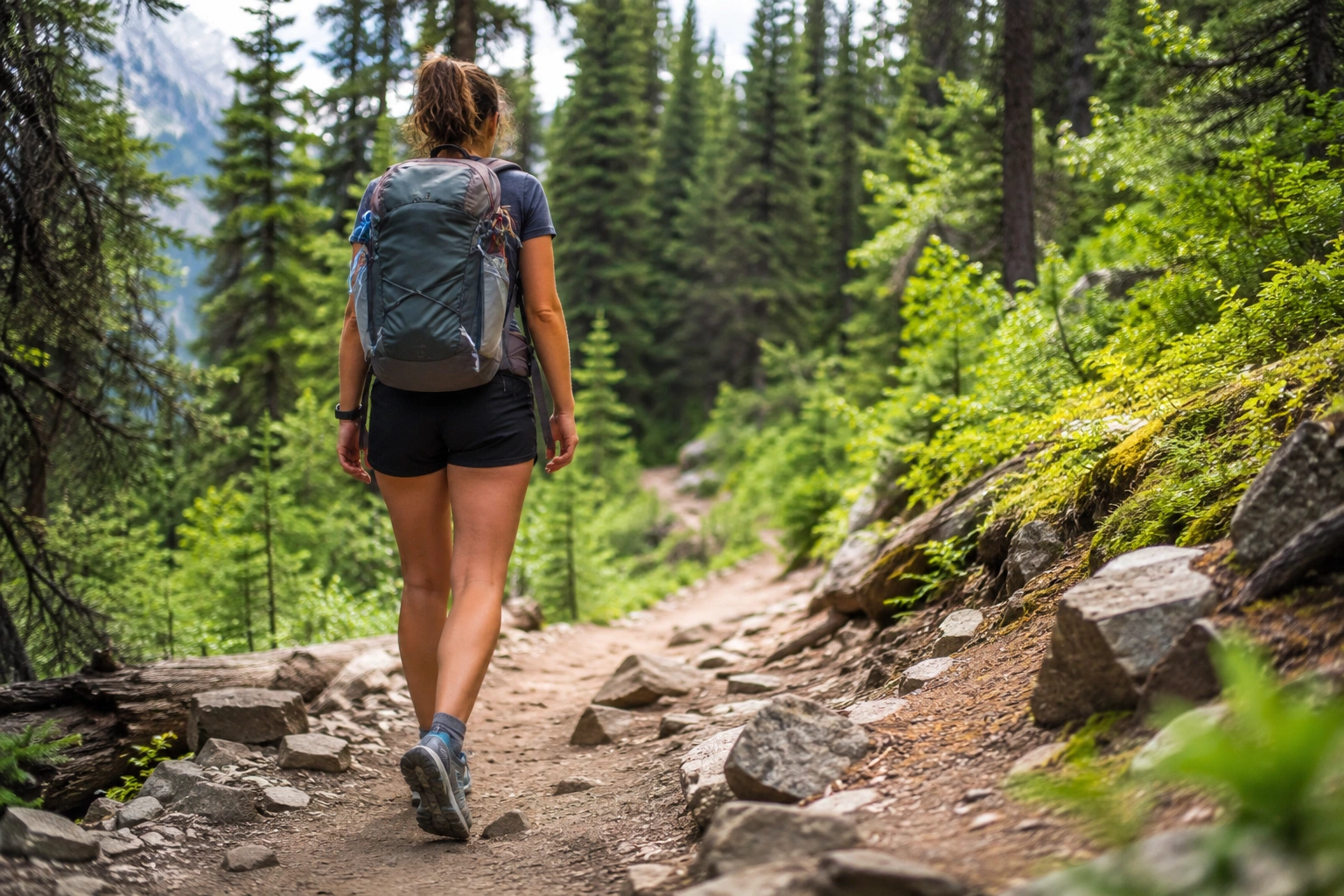
hiking shoes in action on a rocky mountain trail

Always test your hiking shoes on a few short walks before taking them on a full-day hike. This helps you spot pressure points early.Oscar’s Tip:

Replace worn insoles if the shoe still has good tread. A fresh insole can improve comfort without buying a new pair.Oscar’s Tip:

Clean mud and dirt after every hike. Let your shoes air dry naturally instead of placing them near direct heat.Oscar’s Tip:

Pair your hiking shoes with quality moisture-wicking hiking socks. Good socks reduce friction and help prevent blisters.

Key Takeaways

  • Hiking shoes provide better traction and protection than everyday sneakers.
  • They’re ideal for most day hikes and light backpacking trips.
  • Choose shoes based on terrain, weather, and pack weight.
  • A proper fit is just as important as the shoe itself.
  • Comfort, grip, and durability should always come before style.

Frequently Asked Questions

Are hiking shoes better than regular sneakers?

For hiking, yes. Hiking shoes offer better traction, stronger toe protection, and more durable materials than regular sneakers. They are designed to handle uneven trails, rocks, mud, and loose gravel more safely.

Can beginners use hiking shoes?

Absolutely. Hiking shoes are one of the best choices for beginners because they are lightweight, comfortable, and easy to wear. They provide more protection than everyday athletic shoes without feeling as heavy as hiking boots.

Do I need waterproof hiking shoes?

It depends on where you hike. Waterproof hiking shoes are helpful for wet, muddy, or rainy trails. If you mostly hike in warm, dry conditions, breathable non-waterproof shoes are often cooler and dry faster.

Can I wear hiking shoes every day?

Yes, you can. Many hiking shoes are comfortable enough for daily walking and travel. Just keep in mind that aggressive trail outsoles may wear down faster if they’re used mainly on pavement.

How long do hiking shoes usually last?

The lifespan depends on the terrain, your hiking style, and how often you use them. Many quality hiking shoes last between 500 and 800 trail miles before the grip and cushioning begin to wear out.

Should hiking shoes fit tightly?

No. Hiking shoes should feel secure without squeezing your feet. Your heel should stay in place, while your toes should have enough room to move comfortably, especially during long hikes.

Conclusion

Now that you know what hiking shoes are, choosing the right pair becomes much easier. They strike an excellent balance between comfort, traction, durability, and flexibility, making them a great option for most day hikes and many backpacking trips.

Before you buy, think about the trails you plan to explore, the weather you’ll encounter, and how much support you really need. A well-fitting pair of hiking shoes can make every mile more comfortable and help you enjoy the outdoors with greater confidence.

If you’re ready to continue learning, you may also enjoy reading our guide on how to choose hiking shoes or our comparison of hiking shoes vs hiking boots to help you find the best footwear for your next adventure.