
Figuring out how to dress for hiking in summer often feels like a puzzle. You want to stay cool enough to enjoy the trail but protected from the sun’s relentless rays and any unexpected breezy spells. Getting this balance right makes all the difference between a great day out and a miserable one.
Our research and analysis of outdoor apparel performance indicate that strategic layering, using the right fabrics, is key. For instance, manufacturer specifications for performance base layers often highlight a UPF (Ultraviolet Protection Factor) rating of 30 or higher, ensuring good sun defense. Let’s break down what makes a summer hiking outfit successful.
When to Adjust Your Summer Hiking Outfit: Key Variables to Check
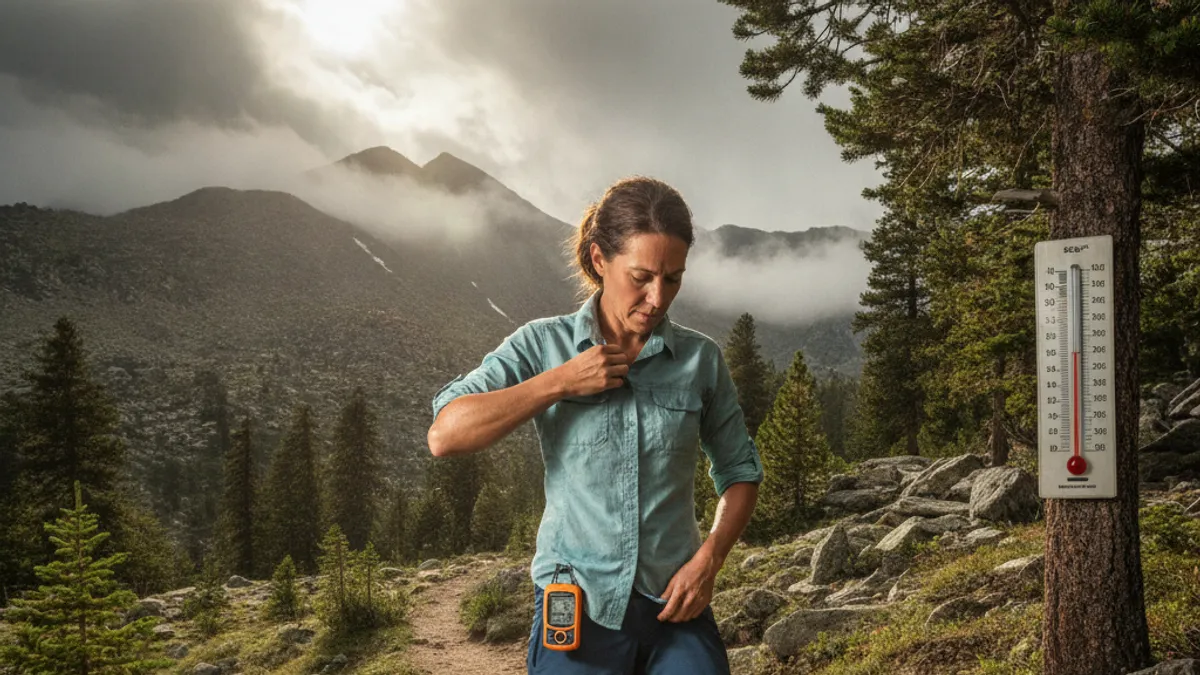
The “perfect” summer hiking outfit isn’t a one-size-fits-all solution. What works for one person on a specific trail might not be ideal for another, or even for you on a different day. It’s all about understanding the conditions you’ll face and making smart choices based on them. Think of it like a quick mental checklist before you start packing your bag.
Temperature and Humidity Levels
Temperature is the obvious factor, but don’t forget humidity. On a hot day, high humidity makes it harder for sweat to evaporate, making you feel muggier and hotter. Low humidity with high temps can feel intense because your body’s natural cooling system isn’t working as efficiently. For example, 80°F (27°C) with 30% humidity feels very different from 80°F with 80% humidity.
Sun Exposure Intensity (UV Index)
The sun’s intensity varies greatly, even on days that feel warm. A high UV index means you’re getting more direct radiation, increasing your risk of sunburn and heat exposure. Always check the local UV index before you head out. This is crucial, especially at higher elevations or when hiking in open, exposed terrain where there’s little shade.
Hike Intensity and Duration
Are you aiming for a leisurely stroll on a relatively flat path, or a strenuous climb up a steep mountain? A more demanding hike means you’ll generate more body heat and sweat more. For longer or more challenging hikes, you’ll need gear that can handle that extra exertion, focusing on breathability and maximum moisture management. If your hike is short, you might prioritize sun protection over intense sweat-wicking if temperatures are moderate.
Personal Sweat Rate and Comfort Needs
We’re all built a little differently, and that includes how much we sweat. Some people run hotter than others, and what feels comfortable to one hiker might be too warm for the next. Pay attention to your own body’s signals. If you find yourself constantly overheating, you know you need lighter, more breathable options.
Conversely, if you tend to get chilled easily, even on a warm day, you might need to consider a slightly more substantial mid-layer.
Building Your Summer Hiking Wardrobe: The Layering Approach
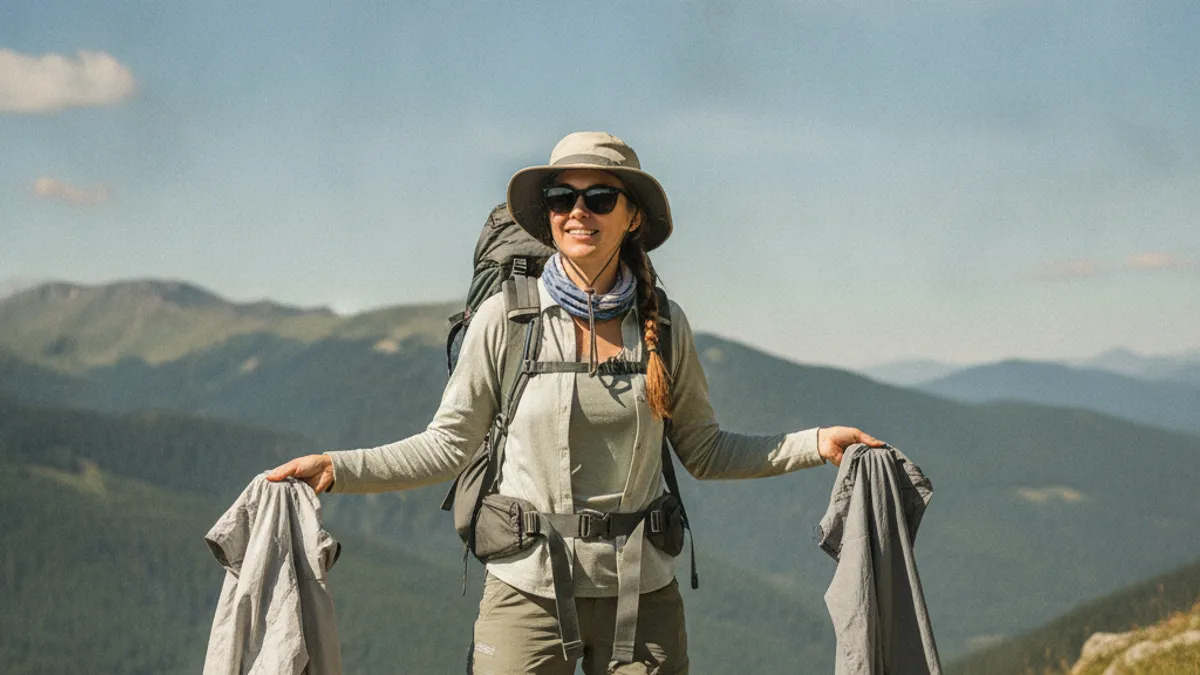
The concept of layering clothes for the outdoors isn’t just for winter; it’s a fundamental principle that applies year-round, especially in summer when conditions can change. The idea is to have multiple, thinner layers that you can easily add or remove as your activity level changes or the weather shifts. This system allows for excellent adaptability and keeps you comfortable by managing your body’s heat and moisture.
Base Layers: Staying Dry and Cool
Your base layer is the clothing that sits directly against your skin. Its primary job in summer is to wick sweat away from your body and allow it to evaporate, preventing that clammy, uncomfortable feeling. Cotton is generally a no-go here; it absorbs moisture and stays wet, making you feel cold and leading to potential chafing. Instead, look for fabrics designed for this purpose.
Synthetic materials like polyester and nylon are excellent choices due to their quick-drying properties, or you can opt for natural fibers like merino wool. While wool might sound warm, fine merino wool is great for summer because it’s highly breathable, moisture-wicking, and naturally odor-resistant. A good base layer should fit snugly but not be restrictive, helping to move moisture efficiently from your skin to the next layer or into the air.
Mid Layers: For Cooler Mornings or Higher Altitudes
A mid-layer provides insulation, but in summer hiking, it’s often about having just enough warmth without overheating. This layer is your go-to for cooler mornings before the sun really heats things up, or if you’re hiking at higher elevations where temperatures drop significantly. It can also offer a bit of extra sun protection if you find yourself in an exposed area for an extended period.
Think of a lightweight fleece jacket, a long-sleeved performance shirt made of a slightly heavier synthetic blend, or even a very light down vest. The key here is versatility. You should be able to easily shed this layer and stuff it into your pack as the day warms up or you start sweating more. The goal isn’t to trap heat like in winter, but to provide a small buffer against temperature fluctuations.
Outer Layers: Wind and Sun Protection, Not Rain (Usually)
Your outer layer in summer hiking is typically focused on protecting you from the elements you’re most likely to encounter: wind and sun. A lightweight, breathable wind jacket is a fantastic piece of gear to have. It can block a surprisingly cool breeze at higher altitudes or after the sun dips behind a ridge, and many offer excellent UPF ratings for sun protection.
Unlike true rain gear, these outer layers are usually more about breathability than being fully waterproof. You want air to circulate and moisture to escape. If there’s a chance of significant rain, you’d switch to a dedicated waterproof and breathable rain jacket. However, for most typical summer hikes where precipitation is less of a concern, a wind-blocking shell is your primary outer defense against the elements.
Essential Summer Hiking Gear Beyond Clothing
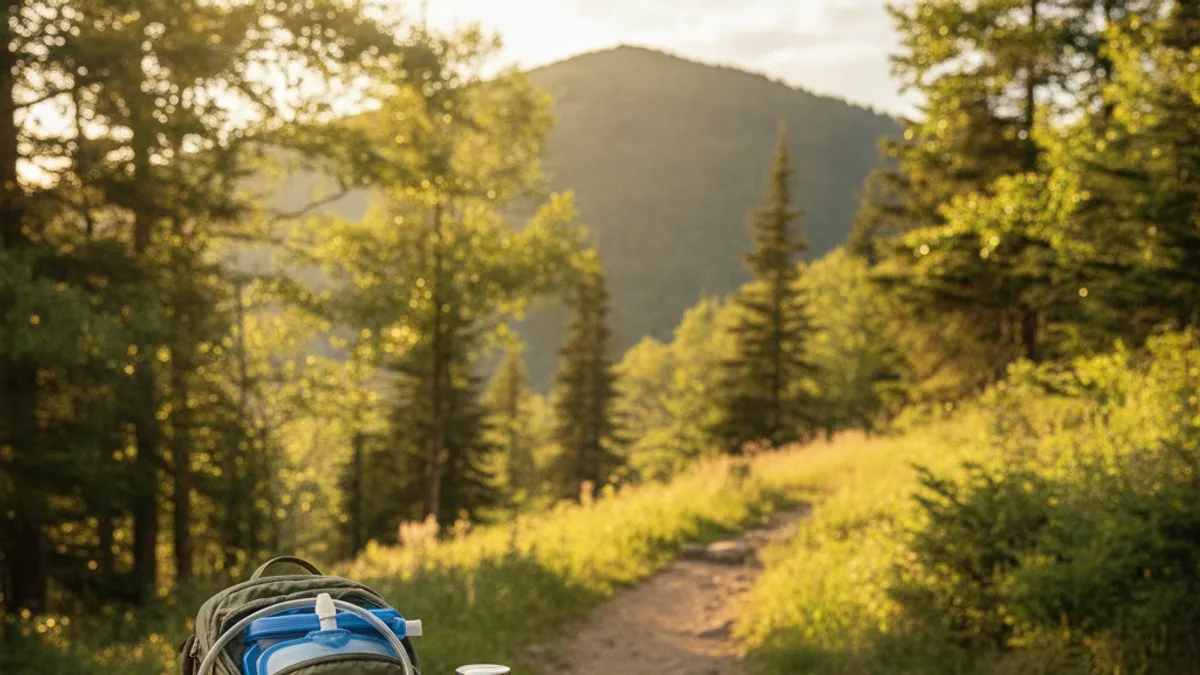
While what you wear on your body is crucial, there’s more to summer hiking than just shirts and pants. A few other pieces of gear can significantly boost your comfort, safety, and overall enjoyment on the trail. These items are often overlooked but are just as important as your main clothing layers.
Footwear: Keeping Your Feet Happy
Your feet are your primary mode of transport on the trail, so treating them right is paramount. For summer, the choice often comes down to lightweight hiking boots, trail runners, or even hiking-specific sandals in very hot, dry conditions. The most important factor is breathability and a good fit to prevent blisters.
- Trail Runners: These are like athletic shoes with more aggressive tread for grip. They’re lightweight, highly breathable, and dry quickly if they get wet. Many people find them comfortable for day hikes. We’ve found that many users prefer the flexibility and quick drying of trail runners on summer trails.
- Lightweight Hiking Boots: If you need more ankle support or plan on carrying a heavier pack, lighter-weight hiking boots can be a good option. Look for models with mesh panels for better ventilation. Brands often specify their breathability features.
- Hiking Sandals: For very hot, arid environments or when water crossings are frequent, specialized hiking sandals offer maximum airflow and quick drying. Just ensure they have secure straps and a good, grippy sole. You can learn more about choosing footwear in our guide on how to choose hiking boots.
Headwear and Eyewear: Your Sun Defense
A significant amount of your body’s heat can be lost through your head, and conversely, your head and face are highly susceptible to sunburn. Proper headwear and eyewear are non-negotiable for summer hiking.
- Sun Hat: A wide-brimmed hat is ideal as it shades your face, ears, and neck. Look for hats made of lightweight, breathable material, often with a UPF rating. Some have adjustable cords to keep them secure in windy conditions.
- Sunglasses: Protect your eyes from UV rays and glare. Choose sunglasses that offer 100% UVA and UVB protection. Wraparound styles can offer better peripheral protection.
Backpack and Hydration System
Your backpack carries everything you need, and your hydration system ensures you stay replenished. For summer, it’s about efficiently carrying your gear and having easy access to water.
- Daypack: A comfortable, well-fitting daypack (around 15-30 liters) is usually sufficient for day hikes. Look for padded shoulder straps and a back panel that offers some ventilation to reduce sweating on your back. Many come with built-in hydration reservoirs or sleeve pockets for water bottles.
- Hydration Reservoir (Bladder): These allow you to drink easily by just sipping from a tube, making it simpler to stay hydrated without stopping to pull out a water bottle. Many reservoirs have capacities of 2-3 liters.
- Water Bottles: If you prefer bottles, insulated bottles can help keep your water cool for longer. Ensure you have a way to carry enough water for your hike, which often means carrying 2-4 liters depending on the length and temperature. Staying hydrated is critical; learning how much water to drink hiking is a key skill. For longer outings, consider what’s in your water bottle too. Think about electrolytes for hiking if you’re sweating heavily.
Smart Fabric Choices for Summer Trails
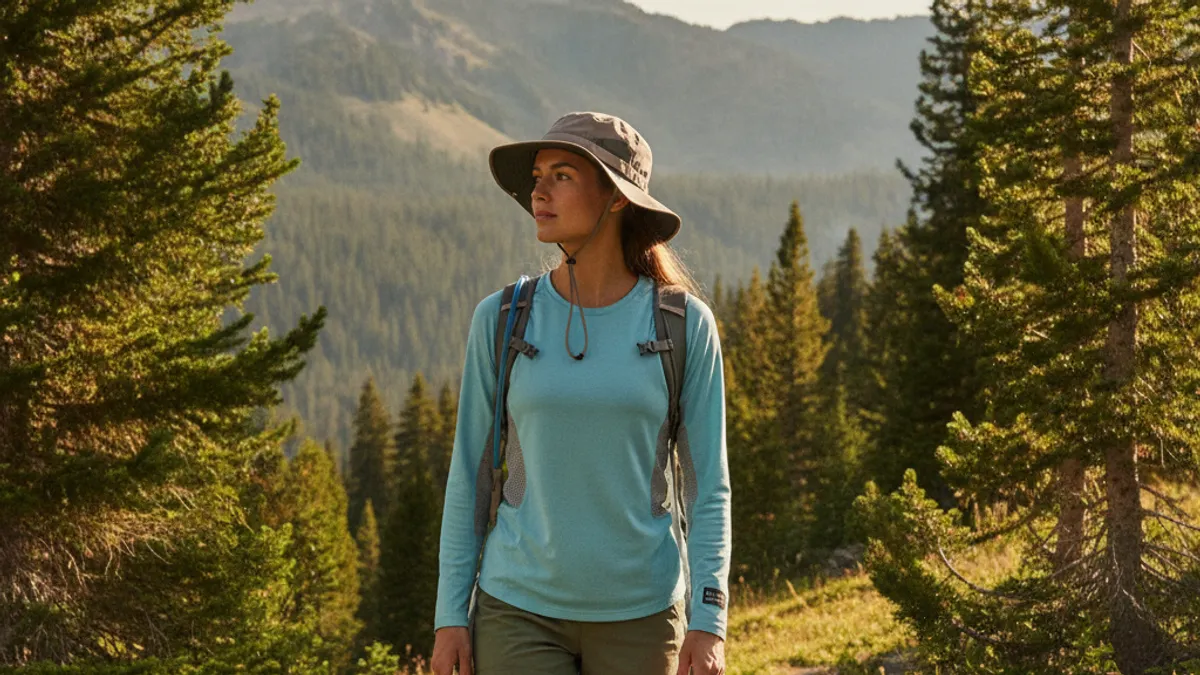
The materials your hiking clothes are made from play a massive role in your comfort and safety during warm-weather excursions. While it might seem straightforward, understanding the properties of different fabrics can make a significant difference. Choosing wisely ensures you stay dry, protected, and less prone to heat-related issues. As of 2026, performance fabric technologies continue to evolve, but the core principles remain consistent.
Moisture-Wicking Synthetics
Synthetic fabrics, primarily polyester and nylon, are the workhorses of summer hiking apparel for a reason. Their structure allows them to move moisture rapidly from your skin to the outer surface of the fabric, where it can then evaporate. This process is called wicking.
- Polyester: Very common in base layers and shirts, polyester is lightweight, durable, and dries quickly. It generally holds up well to repeated washing and doesn’t retain odors as much as some other synthetics.
- Nylon: Similar to polyester, nylon is strong, abrasion-resistant, and offers a smooth feel. It’s often used in hiking pants and shorts for its durability.
When looking at technical outdoor clothing, you’ll often see these materials featured for their ability to enhance breathability and manage sweat, keeping you feeling cooler and drier. These are generally the best choice for active layers.
Breathable Naturals Like Merino Wool
Merino wool might surprise you as a summer fabric, but fine merino wool offers fantastic performance for warm-weather activities. Unlike coarser wools, merino is incredibly soft and lightweight. Its natural fiber structure has unique properties that make it suitable for summer hiking.
- Breathability: Merino wool fibers have a natural crimp that creates air pockets, allowing for excellent breathability. It allows heat and moisture vapor to escape readily.
- Moisture Management: It can absorb a significant amount of moisture vapor before feeling damp to the touch, and it still insulates to some degree when slightly wet.
- Odor Resistance: Merino wool has natural antimicrobial properties, meaning it resists odor buildup much better than synthetic fabrics. This is a huge plus on multi-day trips where washing opportunities are limited.
While generally more expensive than synthetics, merino wool offers a premium feel and performance that many hikers value highly for comfort and versatility across different temperatures.
What to Avoid: The Cotton Trap
Cotton is the fabric most hikers are advised to avoid for active wear, especially in layers that contact the skin. While comfortable and soft for casual wear on cool days, cotton has a major drawback: it absorbs moisture but doesn’t release it effectively.
When you sweat, cotton fibers soak up that moisture and hold onto it. This makes the fabric heavy, clingy, and significantly reduces your body’s ability to cool itself through evaporation. That damp feeling can lead to discomfort, chafing, and even hypothermia in cooler temperatures or at higher altitudes if you get caught in a breeze. For summer hiking, sticking to technical fabrics or merino wool is always the recommended approach to stay dry and comfortable.
If you’re interested in footwear, trail runners vs hiking boots can also highlight material choices.
Common Summer Hiking Outfit Mistakes to Dodge
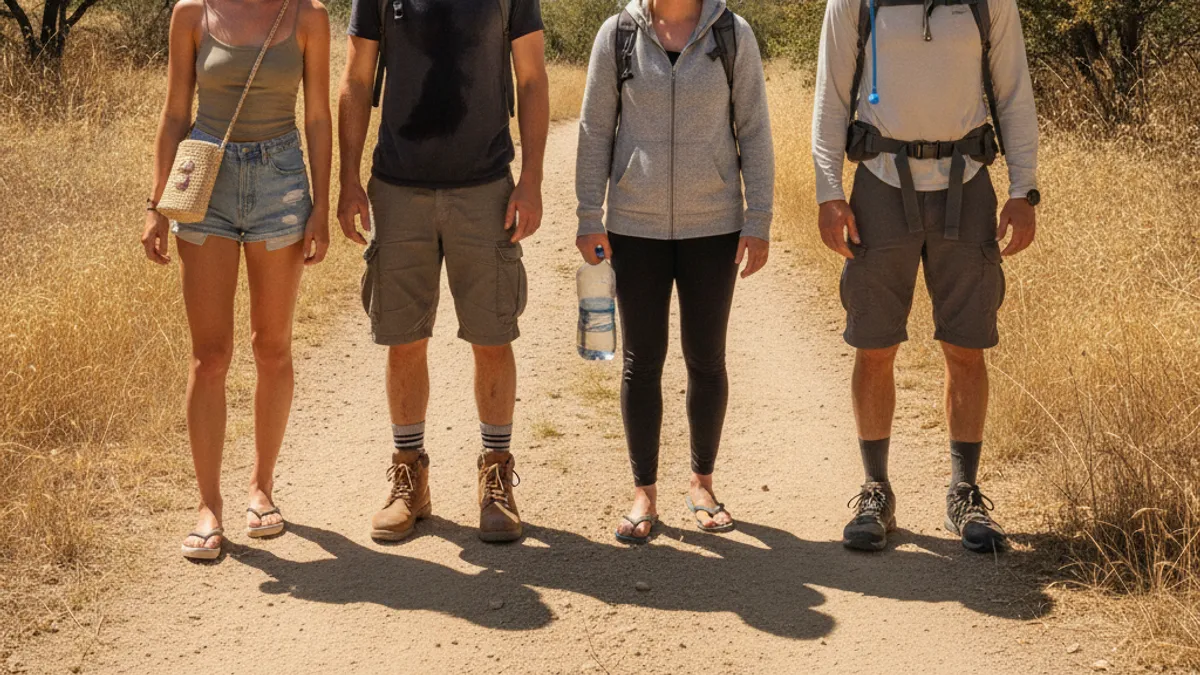
Even with the best intentions, it’s easy to make missteps when choosing what to wear for a summer hike. These simple errors can turn a potentially pleasant outing into a sweaty, uncomfortable, or even risky experience. Being aware of these common pitfalls can save you a lot of trouble on the trail.
Over-Layering or Under-Layering
This is probably the most frequent mistake. People tend to either wear too many layers (and overheat quickly) or too few (and get chilled or sunburned). The trick is to pack light layers and be ready to adjust. It’s better to have a light jacket and a long-sleeve shirt that you can shed than to be stuck in one heavy, hot outfit.
- Over-layering: Leads to excessive sweating and potential heat exhaustion. You feel sticky, tired, and miserable.
- Under-layering: Leaves you exposed to the sun’s harsh rays, increasing the risk of sunburn and heatstroke, or feeling too cold if a breeze picks up or you stop moving.
Wearing the Wrong Footwear
Your feet take a beating on the trail, and the wrong footwear in summer can be disastrous. Boots that lack breathability will trap heat and moisture, leading to blisters and discomfort. Heavy, clunky boots aren’t necessary for most summer day hikes and can just make your feet hotter.
Conversely, wearing regular sneakers or unsupportive shoes can lead to foot fatigue and potential injury on uneven terrain. Always consider footwear that is well-ventilated, offers good traction, and fits properly. Remember, a good pair of waterproof hiking boots worth it in some conditions, but breathability often trumps waterproofing for summer use.
Forgetting Essential Sun Protection
It’s easy to get caught up in staying cool and forget how intense the sun can be, especially at higher elevations or on exposed trails. Sunburn isn’t just uncomfortable; it can be dangerous.
- Sunburn: Leads to pain, peeling, and an increased risk of skin cancer over time.
- Heatstroke: Prolonged sun exposure without protection can contribute to dangerous overheating.
Always wear a wide-brimmed hat, sunglasses, and sunscreen with a good UPF rating on exposed skin. Don’t underestimate the sun, even on partly cloudy days.
Ignoring Hydration Needs
This isn’t strictly an “outfit” mistake, but improper hydration is directly linked to how your body handles the heat and how comfortable your clothing feels. Not drinking enough water means your body can’t cool itself effectively through sweating. This can lead to dehydration, fatigue, and heat exhaustion.
Always carry more water than you think you’ll need and sip it regularly, rather than waiting until you’re thirsty. Think about how to stay hydrated on a hike and consult resources on how much water to drink hiking before you head out.
A Practical Summer Hiking Outfit Decision Guide
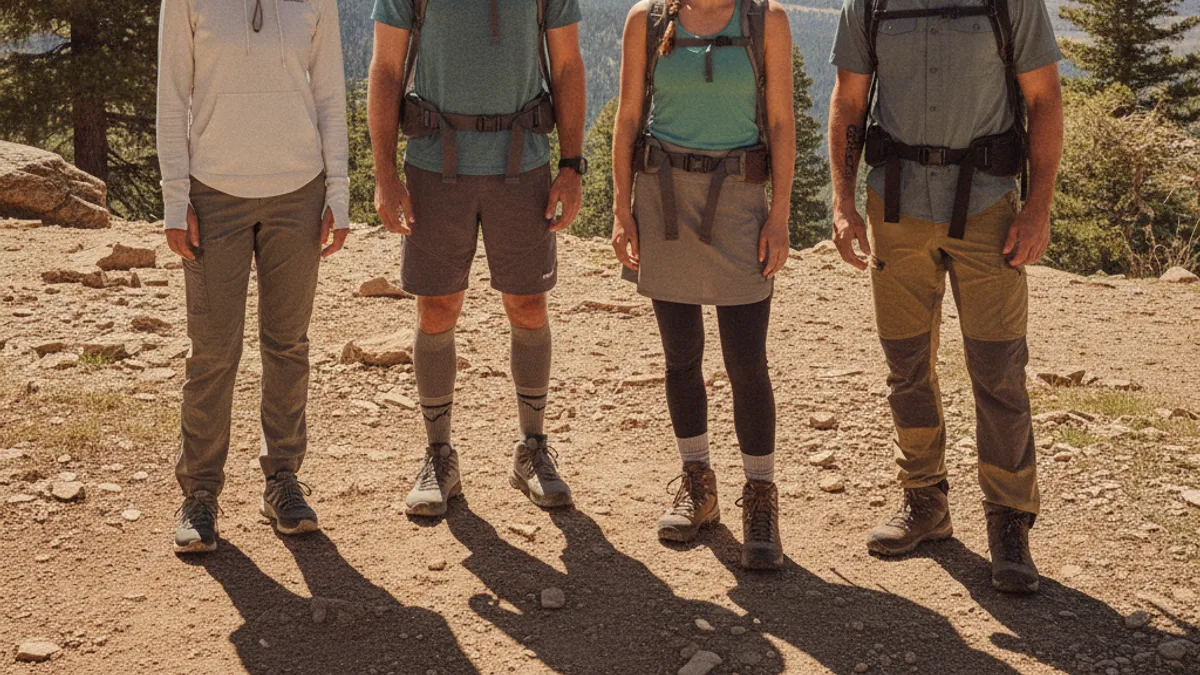
Choosing what to wear can feel like a constant game of “what if.” To simplify, let’s walk through a few common summer hiking scenarios and figure out the best approach to dressing. This isn’t about a rigid formula, but rather using the principles of layering, fabric choice, and personal comfort to make informed decisions.
Scenario 1: Hot and Humid Day Hike
You’re planning a shorter, relatively flat day hike, and the forecast is for temperatures in the high 80s°F (around 30°C) with significant humidity. The trail is mostly shaded by trees.
- Base Layer: A lightweight, moisture-wicking synthetic t-shirt or tank top. Look for materials specifically designed for intense heat. A merino wool t-shirt is also a good option for breathability and odor control.
- Mid Layer: Likely skip this unless the forecast is unusually cool for the humidity. The shade will provide a bit of relief.
- Outer Layer: Generally not needed unless the wind picks up significantly. If you’re concerned about sun exposure in any open sections, a very lightweight, loosely woven long-sleeve shirt with a high UPF rating could be worn over your base layer and easily removed.
- Bottoms: Breathable hiking shorts or lightweight, loose-fitting hiking pants made of synthetic material.
- Footwear: Trail runners or very breathable hiking shoes. Light, moisture-wicking socks are essential.
- Headwear: A wide-brimmed, breathable sun hat.
- Hydration: Carry at least 2-3 liters of water, and consider carrying electrolytes for hiking to replenish what you lose through sweat.
Scenario 2: Sunny Mountain Trail with Cooler Breezes
You’re heading out for a moderate day hike on a mountain trail. It’s sunny and warm, maybe around 75°F (24°C) at the trailhead, but you expect cooler, breezy conditions at higher elevations and potentially in shaded canyons.
- Base Layer: A lightweight, moisture-wicking synthetic or merino wool t-shirt or long-sleeve shirt. Long sleeves offer better sun protection.
- Mid Layer: A lightweight fleece jacket or a synthetic puffy vest. This is your primary tool for adapting to temperature changes. You’ll likely start with it on and shed it as you climb and warm up.
- Outer Layer: A lightweight, breathable wind jacket. This is crucial for blocking those cooler mountain breezes and can also serve as an extra sun shield.
- Bottoms: Lightweight synthetic hiking pants are a good choice here, offering sun protection and some wind resistance. If you prefer shorts, consider bringing a pair of lightweight hiking tights or pants to put on later.
- Footwear: Breathable hiking boots or sturdy trail runners with good traction. Wool or synthetic hiking socks.
- Headwear: A sun hat, and perhaps a lightweight beanie for higher, cooler areas if you tend to get cold.
- Hydration: Carry plenty of water, around 2-3 liters, and be mindful of how to stay hydrated on a hike.
Expert Tips for Staying Comfortable on Summer Hikes
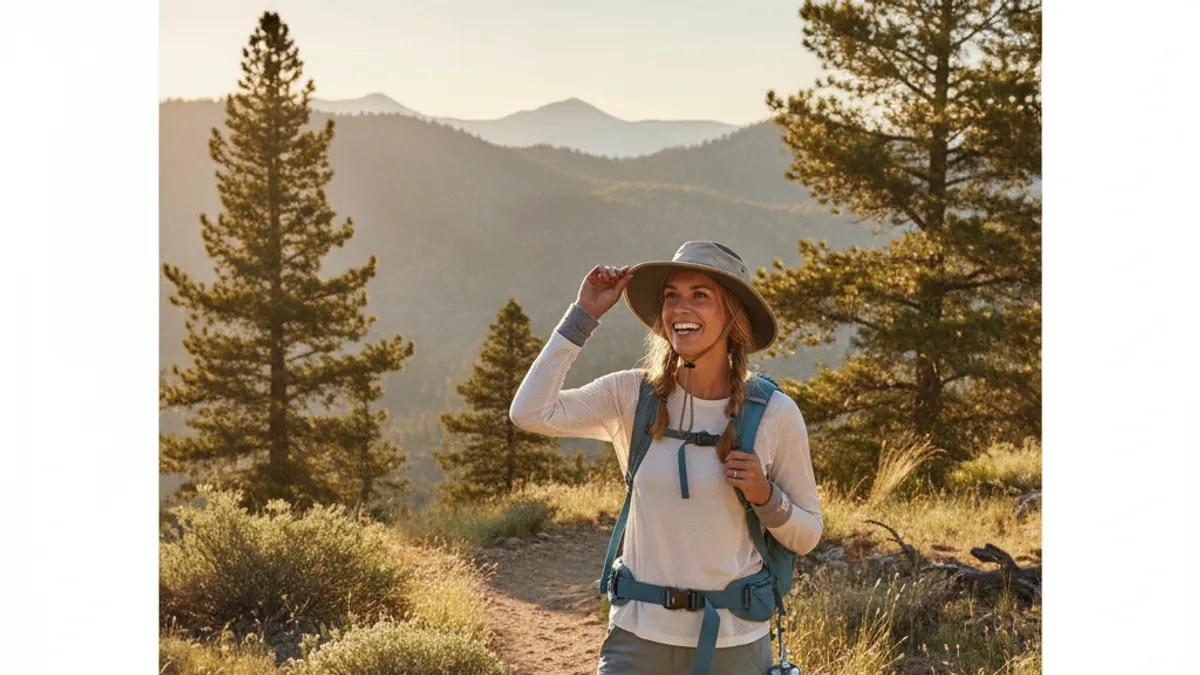
Beyond the basic layering and fabric choices, a few seasoned hiker insights can make your summer treks even more enjoyable. These tips focus on anticipating needs and making small adjustments that have a big impact. They’re the kind of advice you pick up after spending a lot of time on the trail, understanding what truly makes a difference when the mercury rises.
- Pack a small, lightweight emergency poncho. Even in summer, unexpected rain showers can happen, especially in mountainous regions. A thin poncho weighs next to nothing and can be a lifesaver if you get caught in a downpour, preventing you from getting chilled.
- Bring a spare pair of socks. If your feet tend to get sweaty or if you anticipate crossing streams, having a dry pair of socks can prevent blisters and increase comfort significantly. It’s a simple item that pays off big time.
- Consider a bandana or buff. These versatile items can be soaked in water to cool your neck, used as a makeshift headband to keep sweat out of your eyes, or even worn as a sun mask. They’re small, light, and incredibly useful.
- Use hiking poles if you have them. Especially on longer or steeper hikes, poles can help distribute your body weight, reducing strain on your legs and improving balance. They can also help you push off on ascents, making your workout more efficient, as detailed in our guide on how to use hiking poles.
Staying Safe: Essential Summer Hiking Precautions
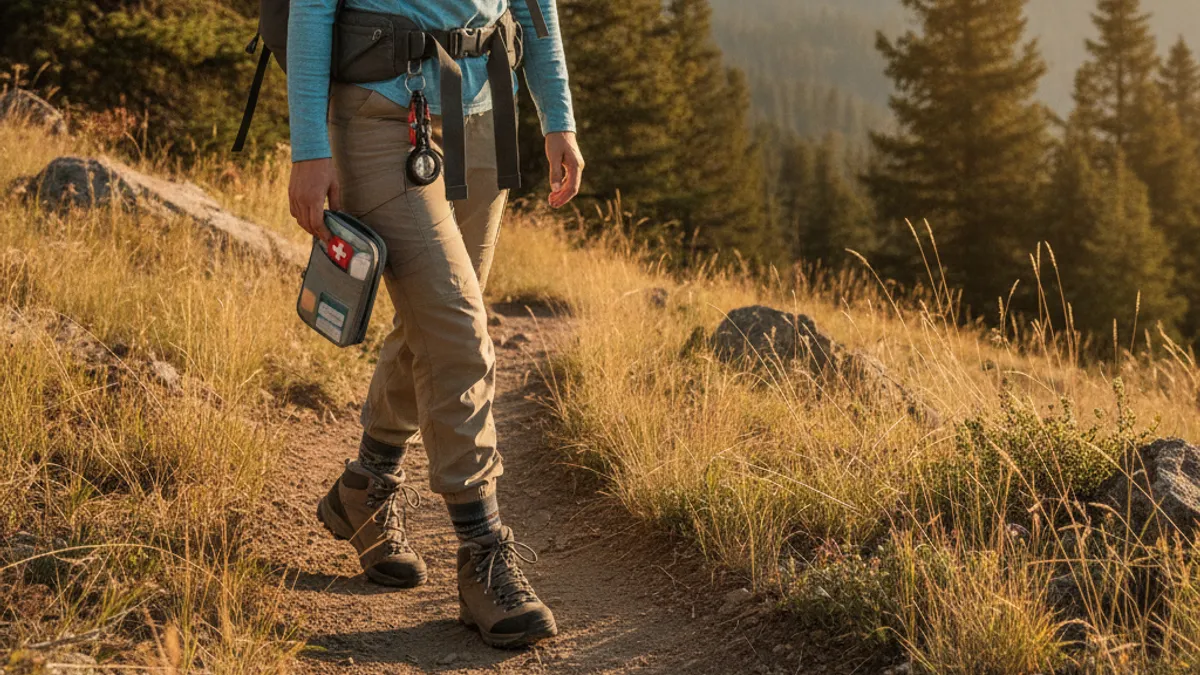
Summer hiking is fantastic, but it also comes with specific risks that you need to be prepared for. Being aware of these hazards and taking sensible precautions is just as important as choosing the right clothing. Your safety is always the top priority on any outdoor adventure.
Preventing Heat-Related Illnesses
Heat exhaustion and heatstroke are serious concerns in warm weather. Staying properly hydrated by drinking plenty of water, and sometimes electrolyte drinks like those mentioned in our electrolytes for hiking article, is key. It’s also vital to know your limits and avoid strenuous activity during the hottest parts of the day, typically between 10 AM and 4 PM.
- Recognize Symptoms: Early signs of heat exhaustion include heavy sweating, weakness, dizziness, nausea, and a rapid pulse. If you experience these, stop, rest in a shaded, cool area, and drink fluids.
- Heatstroke is an Emergency: This is a life-threatening condition indicated by a high body temperature (103°F/39.4°C or higher), confusion, loss of consciousness, or hot, dry skin (though sweating may still occur). If you suspect heatstroke, call for emergency medical help immediately and try to cool the person down.
Sun Safety Fundamentals
Beyond just sunscreen, which you should reapply regularly, think about covering up. A hat with a brim of at least 3 inches offers excellent protection for your face, neck, and ears. Wraparound sunglasses with UV protection are essential for your eyes. Many performance hiking shirts now come with a UPF rating of 30 or higher, providing built-in UV defense for your skin.
Always check the UPF rating on your clothing if it’s available.
Insect Protection
Depending on your location and the time of year, insects can be more than just a nuisance, they can carry diseases. Ticks can transmit Lyme disease, and mosquitoes can carry West Nile virus or Zika virus.
- Repellent: Use an insect repellent containing DEET, picaridin, or oil of lemon eucalyptus on exposed skin and clothing, following product instructions carefully.
- Clothing: Long sleeves and pants, even in warm weather, can provide a physical barrier against bites. Tucking your pants into your socks can help prevent ticks from reaching your skin.
- Tick Checks: After hiking, perform a thorough tick check on yourself, your children, and your pets.
Wildlife Awareness
While not directly related to clothing, being aware of local wildlife is part of summer hiking safety. This includes knowing how to store food properly to avoid attracting animals and understanding how to react if you encounter wildlife, such as bears or snakes.
- Food Storage: Use bear-resistant containers if camping in bear country and never leave food unattended.
- Encounters: Most animals prefer to avoid humans. If you see wildlife, keep your distance, stay calm, and never feed them.
Best Food To Bring On A Long Hike
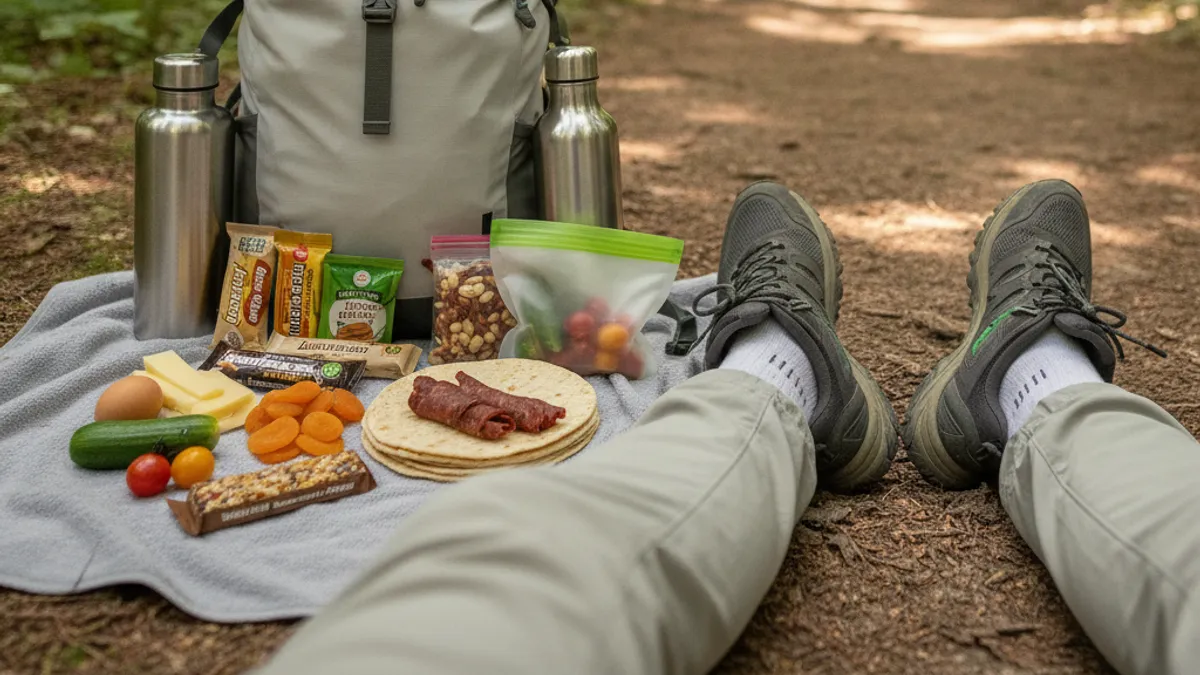
Fueling your body properly is crucial for sustained energy and enjoyment on longer summer hikes. The best food items are calorie-dense, nutritious, and easy to carry and eat. Think about balance: you need carbohydrates for quick energy, protein for muscle repair, and fats for sustained fuel.
- Energy Bars and Gels: These are convenient, pre-portioned sources of quick energy. Look for bars with a good mix of carbohydrates, protein, and healthy fats. Some offer added electrolytes, which is great for hot weather. Brands like Clif Bar, GU Energy, and Kind Bars are popular choices.
- Trail Mix: A classic for a reason, trail mix can be customized with nuts, seeds, dried fruits, and even a few chocolate chips for a morale boost. It provides a good balance of fats, carbs, and protein.
- Dried Fruits: Raisins, apricots, mangoes, and figs are excellent sources of natural sugars for quick energy and provide some fiber. They’re lightweight and don’t spoil.
- Jerky: Beef, turkey, or even plant-based jerky offers a good source of protein, which is important for muscle recovery on long hikes.
- Nut Butters: Individual packets of peanut butter, almond butter, or other nut butters are calorie-dense and provide healthy fats and protein. You can eat them straight from the packet or spread them on crackers.
- Sandwiches or Wraps: For day hikes or the first day of a multi-day trip, sandwiches or wraps filled with lean protein and vegetables can be a satisfying meal. Opt for whole-grain breads or tortillas for sustained energy release.
When planning hiking meal prep ideas, consider how long your hike will be and the ambient temperature, as some foods can spoil more quickly in the heat. You can even use a hiking calorie calculator to estimate your needs.
Quick Answer: Which Hiking Socks Are Best for Summer?
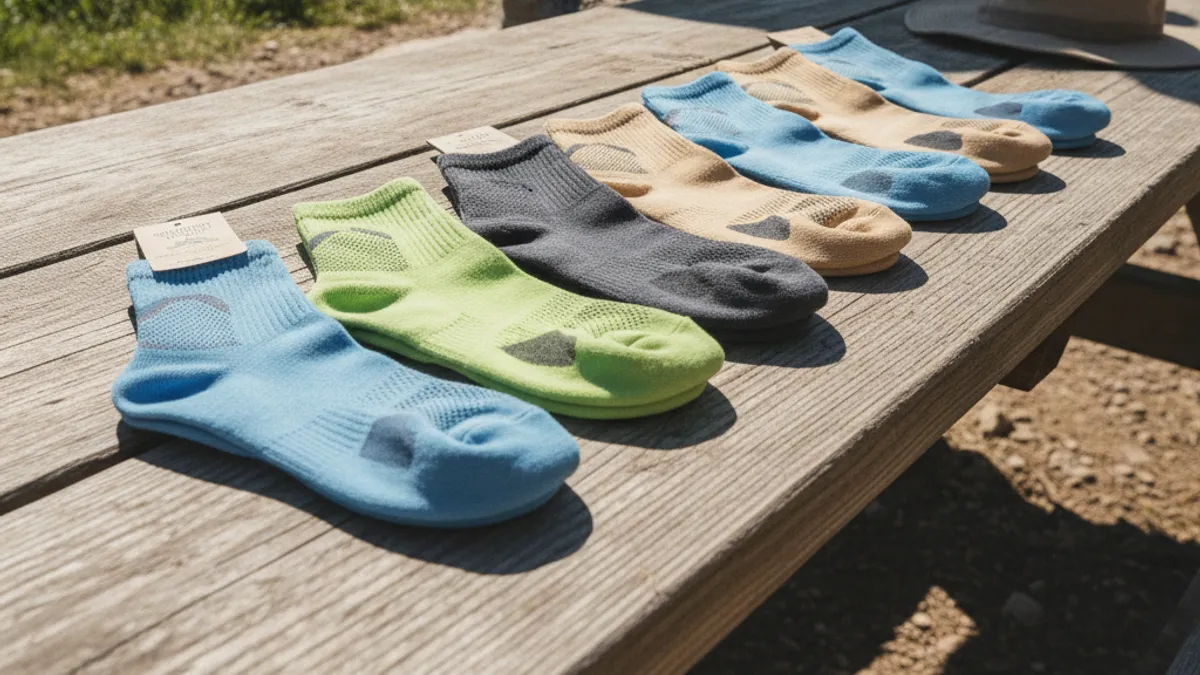
For summer hiking, the best socks are those made from moisture-wicking materials like merino wool or synthetic blends that are designed to keep your feet dry and prevent blisters. Avoid 100% cotton socks at all costs.
Socks are a critical piece of your hiking ensemble, often overlooked until a problem arises. In summer, their primary role is to manage moisture and prevent friction, which leads to blisters. The type of sock can drastically affect your comfort level, especially on longer or hotter hikes.
Key Features to Look For:
- Material:
- Merino Wool: Offers excellent moisture-wicking, breathability, temperature regulation, and natural odor resistance. Fine merino wool is soft and not itchy.
- Synthetics (Polyester, Nylon, Spandex): These are also great at wicking moisture and dry very quickly. They are often more durable than wool.
- Cushioning: Many summer socks offer light to medium cushioning, particularly in the heel and toe areas, for added comfort without excessive bulk that can cause overheating.
- Fit: The sock should fit snugly without being tight, with no bunching or wrinkling. This is crucial for preventing friction and blisters. Look for socks that are specifically designed for hiking, as they often have a shaped heel and toe.
- Height: Crew-height socks are common as they protect your ankles from boot friction and can help keep out trail debris. No-show or ankle-height socks can work for shorter hikes or if you’re wearing low-cut trail runners, but are more likely to let in dirt and can sometimes cause irritation where the sock ends.
Why Cotton is a No-Go:
Cotton absorbs about 27 times its weight in water. When your feet sweat, cotton socks become saturated, losing their insulating properties and staying wet against your skin. This not only feels uncomfortable but creates a prime environment for friction, leading to painful blisters. Moreover, wet feet lose heat much faster, which can be an issue even in summer if you’re in a cooler area or if the temperature drops.
How to Choose: A Quick Guide
- Lightweight and Thin: For hot weather and well-fitting shoes, a thinner sock with minimal cushioning is often best to prevent overheating.
- Medium Cushion: If you’re wearing slightly heavier boots or going on longer, rougher terrain, a medium-cushioned sock provides more comfort and protection.
- Breathability is King: Regardless of thickness, always prioritize socks that actively move moisture away from your skin.
Frequently Asked Questions About Summer Hiking Outfits
What is the best type of fabric to wear for summer hiking?
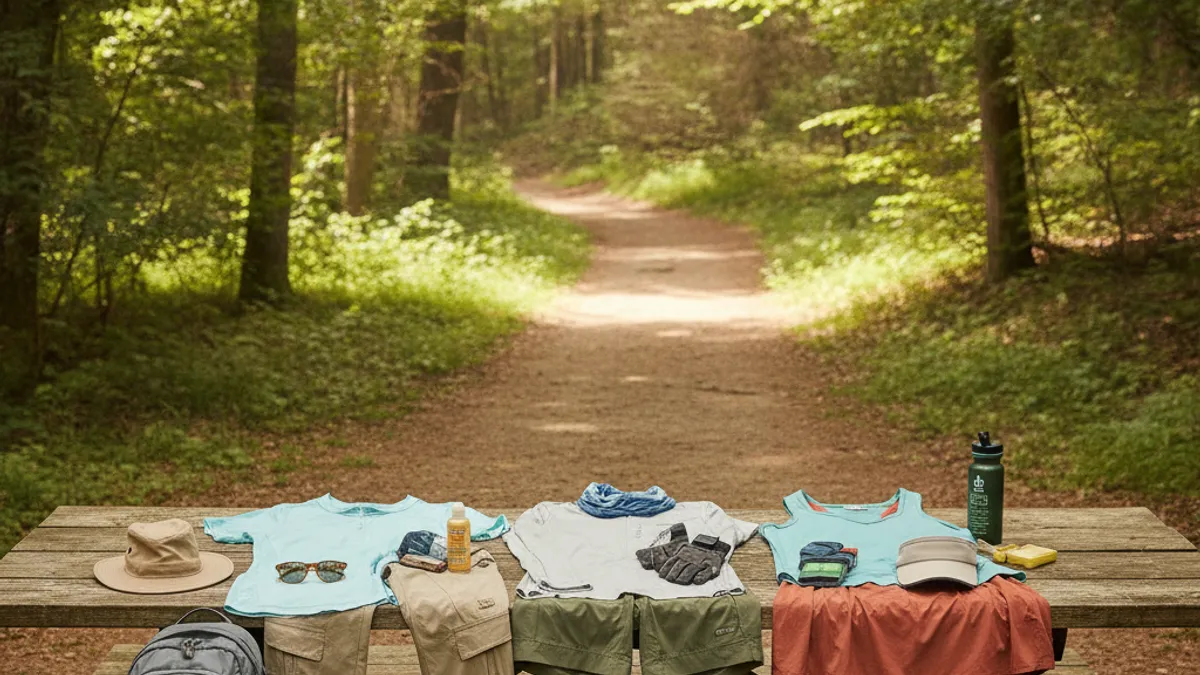
The best fabrics are moisture-wicking synthetics like polyester and nylon, or natural fibers like fine merino wool. These materials move sweat away from your skin, allowing it to evaporate and keeping you cool and dry. Avoid cotton, as it absorbs moisture and stays wet, leading to discomfort and potential issues like chafing and feeling chilled.
Should I wear shorts or pants in hot weather?
It depends on the conditions and your personal preference. Lightweight, breathable hiking shorts are great for very hot days when sun exposure isn’t a major concern and the trail is clear of brush. However, lightweight synthetic hiking pants often offer better protection against the sun’s UV rays, insect bites, and minor scrapes from brush. If you prefer shorts, consider wearing sun-protective leggings or knee-high socks underneath.
How many layers do I really need in summer?
For most summer hikes, a simple two-layer system is usually sufficient: a moisture-wicking base layer and a light outer layer for sun and wind protection. You might add a very light insulating mid-layer if you’re hiking at high altitudes or expect significant temperature drops. The key is to pack layers you can easily add or remove to adapt to changing conditions and your exertion level.
How can I prevent blisters on a summer hike?
The best proactive step is wearing well-fitting hiking socks made of moisture-wicking materials and breaking in your hiking footwear before a long trip. Ensure your socks fit snugly without wrinkles and that your boots or shoes aren’t too tight or too loose. If you know you’re prone to blisters, consider applying preventative tape or moleskin to hot spots before you start your hike.
